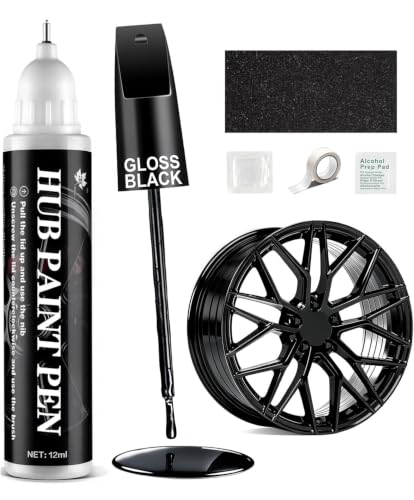
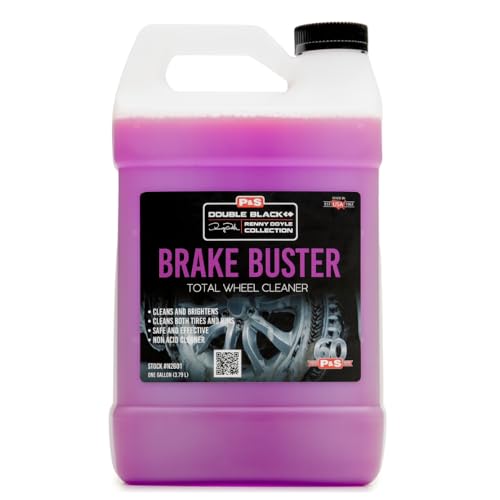
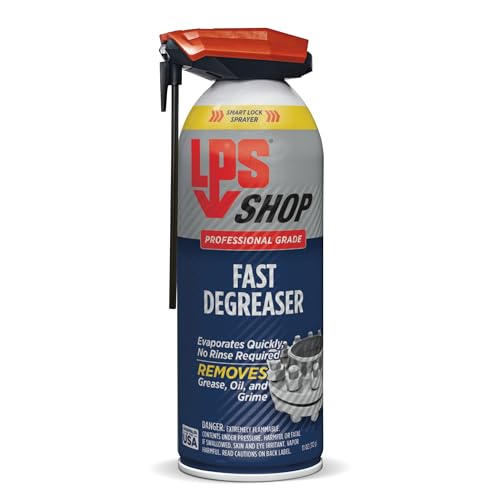
Mastering how to paint aluminum rims is the most effective way to restore your vehicle’s aesthetic appeal while providing a protective barrier against road debris, oxidation, and harsh environmental contaminants. Achieving a high-quality finish requires a systematic approach to surface preparation and layering, ensuring that the coating adheres firmly to the alloy substrate for long-term performance.
This comprehensive guide provides an evidence-aware framework for those looking to renovate their wheels. By understanding the mechanical properties of aluminum and the specific curing requirements of modern automotive paints, you can elevate your DIY capabilities. We will navigate through essential preparation, application techniques, and the critical stabilization phases necessary to produce a professional-grade result that withstands the rigors of daily driving in any climate.
Quick Facts
- Professional consensus suggests that the majority of paint failure on alloy wheels is attributed to inadequate surface degreasing rather than the paint product itself.
- Experts recommend using high-temperature automotive-grade clear coats to prevent premature yellowing or peeling from brake heat.
- Environmental studies suggest that maintaining a consistent ambient temperature during the curing cycle is vital for achieving optimal hardness and finish clarity.
Key Takeaways

- 1. Thorough surface decontamination is the foundation of success; failing to remove brake dust and wax will cause instant paint failure.
- 2. Using an acid-etch primer is essential for aluminum as it promotes chemical bonding with the non-ferrous metal.
- 3. Layering thin, multiple coats instead of one heavy coat prevents the "orange peel" effect and improves overall durability.
- 4. Ignoring manufacturer drying times can lead to moisture entrapment, which significantly weakens the structural integrity of the final finish.
Historical context or industry trends of how to paint aluminum rims
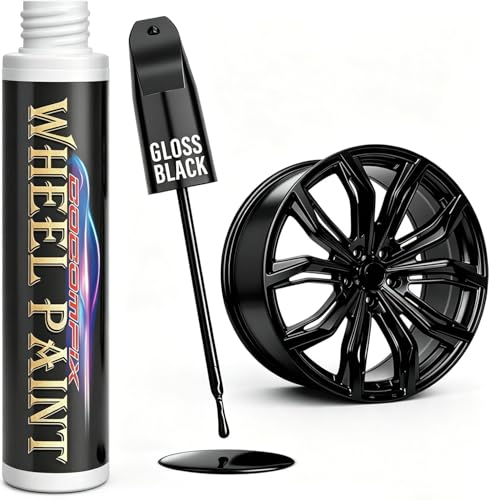
Historically, the process of refreshing alloy wheels was limited to professional powder coating facilities, which required stripping the entire wheel and subjecting it to high-temperature ovens. For the average enthusiast, "how to paint aluminum rims" was a misunderstood practice, often involving primitive spray cans that lacked the chemical resistance needed for automotive use. These early methods often resulted in rapid chipping and fading, leading many to believe that painted wheels were inherently temporary, requiring frequent reapplication that discouraged many owners from attempting the task.
In recent years, the market has seen a paradigm shift toward high-performance aerosol systems and specialized automotive refinishing kits. Modern engineering has introduced advanced polymer-based paints that offer impressive UV resistance and flexibility, bridging the gap between factory powder coating and accessible DIY solutions. Today, the focus is on "active-rich" setups, where primers, base coats, and clear coats are engineered as a cohesive system. This strategic evolution allows users to achieve professional-grade protection at home, provided they follow the rigorous cleaning and preparation protocols that define modern wheel maintenance standards.
Technical analysis of how to paint aluminum rims mechanisms

The core variables separating a durable finish from a failing one are substrate preparation and ambient environmental control. Aluminum is highly reactive to oxidation, making the priming stage critical for long-term adhesion. If the surface is not properly cleaned of all brake dust and oil, or if the paint is applied while the humidity is too high, the molecular bond between the primer and the alloy will be compromised. Additionally, proper timing between coats is essential; rushing the process prevents solvent release, which can trap gases under the paint layer and lead to blistering or "solvent popping" as the temperature increases during driving.
| Feature | Best Practice | Common Mistake |
|---|---|---|
| Timing of Application | Calibrated to baseline levels to prevent system overload | Rushing the execution, leading to premature decay/failure |
| Absorption/Absorption Method | Patting gently or securing contact to encourage uniform integration | Applying forcefully or allowing air gaps, which reduces contact |
| Role in Routine | Acts as an intermediate priming layer to support the system | Using as a total replacement for core active components |
The table above illustrates the necessity of deliberate pacing during the painting process. Following the "Best Practice" column ensures a stable, chemical-resistant finish, whereas the "Common Mistake" column often results in peeling within a few months. Consistent adherence to manufacturer drying intervals and humidity guidelines is the only way to ensure the paint layer functions as a robust barrier rather than a cosmetic facade that lacks structural integrity.
Step 1: Workspace and Initial Preparation
Begin by cleaning the wheels with a dedicated wheel cleaner, followed by a thorough degreasing process. Use fine-grit sandpaper to remove surface imperfections and oxidation, creating a slightly roughened surface that promotes mechanical adhesion. Ensure the wheel is completely dry and free from any residual dust before applying any primer, as any contamination will lead to premature paint lifting.
Step 2: Core Execution and Configuration
Apply a high-quality etching primer to the bare alloy to provide a stable foundation. Once cured, apply the color coat in thin, even layers, allowing for adequate flash time between coats. Maintain a consistent distance from the surface to prevent runs, and ensure that every angle of the wheel face and barrel is adequately covered to maintain uniform protection across the entire aluminum structure.
Step 3: Final Calibration and Stabilization
Apply a professional-grade clear coat to seal the color and provide UV protection. Allow the wheels to cure in a dust-free environment for the recommended period—typically 24 to 48 hours—before mounting them back on the vehicle. Avoid exposure to harsh chemicals or high-pressure washing for at least one week to ensure the paint system reaches maximum hardness and long-term durability.
Current landscape or user debate of how to paint aluminum rims

The current market for wheel restoration is split between users who prefer complete removal and professional powder coating and those who embrace high-performance DIY paint systems. Consumer trends show a growing preference for specialty finishes like "shadow chrome" or matte metallic textures, which were previously difficult to achieve without commercial equipment. As more information becomes available online, users are increasingly focusing on the chemical compatibility of primers, realizing that successful restoration is about chemistry as much as it is about aesthetic application.
- The rise of ceramic-infused paints has made wheels easier to clean, as these coatings prevent brake dust from embedding into the finish.
- Most users now expect a minimum of two years of durability from a properly applied DIY paint system before requiring a touch-up.
- High-quality, spray-can-based 2K (two-component) paint systems have revolutionized accessibility by providing catalytic hardeners that were once only available in professional paint booths.
- There is an increasing focus on water-based, low-VOC paint formulations that provide high durability while minimizing environmental impact during the application process.
| User Segment | Preferred Configuration | Expected Outcome |
|---|---|---|
| Professional / Heavy Use | High-output, premium build with maximum control parameters | Long-term durability with consistent results |
| Standard / Daily Use | Balanced features, automated presets for ease of operation | Reliable everyday performance with minimal oversight |
The debate between manual customization and automated spray systems continues. Proponents of manual spray control argue that it allows for finer detailing in complex wheel geometries, while others favor the consistency of 2K pressurized cans. Regardless of the chosen method, the consensus is that the skill lies in the preparation phase rather than the application itself. Users who invest time in surface prep report significantly higher satisfaction rates, proving that quality is a direct result of process discipline.
Operational challenges and limitations of how to paint aluminum rims
The primary challenges when learning how to paint aluminum rims center on environmental variables and compatibility. If the ambient temperature is too low, the paint may not atomize correctly, leading to a rough, pebbled texture. Furthermore, improper cleaning—such as failing to neutralize acidic wheel cleaners—can leave invisible residues that react with the new paint, causing localized failure. Maintenance overhead also plays a role; while painted rims are durable, they require specific pH-neutral cleaners to preserve the longevity of the clear coat, especially in regions with heavy road salt usage.
Future outlook and scenario projection for how to paint aluminum rims
The future of rim restoration is moving toward smart, self-healing polymers and advanced UV-stable resins that require less manual intervention. Over the next decade, we expect to see the introduction of "smart" paints that change color or visibility under specific thermal conditions, along with improved spray delivery systems that minimize VOC output. Material science is also trending toward hydrophobic additives integrated directly into the paint formulation, reducing the need for separate wheel sealants. As these technologies mature, the barrier to entry for achieving a professional finish will continue to drop, making high-quality, long-lasting wheel aesthetics available to even the most casual hobbyists.
| Timeline | Expected Breakthrough | Impact on User Experience |
|---|---|---|
| Next 2-3 Years | Smart sensor integration and real-time feedback loops | Elimination of user error and automatic calibration |
| Next 5-10 Years | Biodegradable/Self-healing materials and high-efficiency coils | Drastically reduced maintenance and lifetime durability |
Practical applications of how to paint aluminum rims in daily routines
Integrating how to paint aluminum rims into your maintenance routine is highly effective when approached as a planned restorative step rather than a desperate fix. Whether you are prepping a set of winter wheels or restoring a vintage set of alloys, the key is to tailor your paint system to the environmental reality of your drive. By adapting your approach to your specific driving conditions, you can ensure that the finish provides both visual appeal and a sacrificial layer that protects the base metal from winter corrosion or high-heat brake dust.
Use Case 1: Individual and Residential Use
For the home enthusiast, the focus should be on clean, stable environments like a garage with good ventilation. Use a 2K spray system that allows for multiple, thin passes. This configuration offers the best balance of cost and performance, enabling an individual to achieve a factory-look finish without the need for an industrial-sized spray booth.
Use Case 2: Professional and Commercial Use
In high-output settings, precision and speed are paramount. Professionals use temperature-controlled paint racks to ensure consistent curing for batches of wheels. By focusing on exact parameter management—such as humidity-controlled drying zones—commercial shops can guarantee uniform results that meet high customer expectations for longevity and color match consistency.
Use Case 3: Advanced Optimization Solutions
Advanced users often pair their paint system with a ceramic top-dressing layer. After the paint has fully cured, applying a high-grade ceramic coating creates a secondary shield that makes maintenance simple. This combined approach significantly reduces the time spent on manual cleaning, as brake dust slides off the surface effortlessly.
Expert perspectives on how to paint aluminum rims
Industry experts emphasize that the longevity of a paint job is decided long before the first coat is sprayed. The consensus among professionals is that success depends on a systematic, almost ritualistic approach to surface preparation. There is no shortcut for thorough cleaning, and attempting to skip the etching primer step is the leading cause of early paint failure. By treating the wheel as a delicate piece of machinery rather than just a cosmetic accessory, owners can ensure their work stands the test of time, resisting the harsh chemicals and physical stress associated with daily driving.
Conclusion
In conclusion, understanding the correct setup and execution of how to paint aluminum rims is essential for securing optimal results. By following the best practices and calibration guidelines detailed in this guide, users can ensure long-term efficiency and consistent performance.
Frequently Asked Questions
Why is sanding aluminum rims essential before painting?
Sanding removes the clear coat and oxidation while creating a mechanical tooth that allows the primer to adhere to the slick aluminum surface.
What type of primer should I use for aluminum wheels?
Always use a self-etching primer, as it chemically bonds to raw aluminum to prevent corrosion and ensure a durable foundation for the base coat.
Do I need to remove the tires to paint my rims?
Removing tires is ideal for a professional finish, but if you leave them on, ensure you mask the rubber thoroughly and tuck tape deep into the wheel bead.
How can I prevent paint peeling on aluminum rims?
Peeling is usually caused by poor surface preparation; ensure all grease, brake dust, and wax are removed with a wax and grease remover before sanding.
Can I use standard spray paint for aluminum rims?
No, you must use high-temperature automotive wheel paint or epoxy-based spray specifically formulated to withstand the heat generated by brake systems.
How many coats of clear coat are required for longevity?
Apply two to three thin, even coats of high-quality automotive 2K clear coat to protect the paint from brake dust, UV rays, and road debris.
What is the recommended drying time between paint layers?
Follow the manufacturer's instructions on the can, but generally wait 10 to 15 minutes between coats to allow solvents to flash off without causing runs.
How long should I wait before driving on freshly painted rims?
Wait at least 24 to 48 hours for the paint to fully cure before mounting the wheels or subjecting them to the heat and stress of daily driving.