Learning how to remove rust from alloy wheels is a frustrating necessity for anyone who takes pride in their vehicle's appearance. Over time, brake dust and moisture cause unsightly oxidation that ruins the look of your rims and can even lead to long-term structural damage if ignored.
Many drivers struggle to find the right balance between a product strong enough to dissolve stubborn surface rust and one gentle enough to protect the delicate finish of their alloy wheels. I have spent years maintaining my own vehicles, and I know that choosing the wrong chemical can result in permanent staining or surface etching that is impossible to reverse.
To help you restore your car's look, I have analyzed five specific solutions, ranging from chemical treatments like Evapo-Rust ER012 and Iron Eraser to mechanical tools like Lamsion poly strips and specialized Jenolite formulas. My goal is to show you exactly how to remove rust from alloy wheels safely, ensuring you choose the method that fits your specific level of corrosion and expertise.
| Product Image | Product Name | Best For | Check Price |
|---|---|---|---|
 | Evapo-Rust Heavy Duty Soaking Solution | Soaking Small Parts | Check Price |
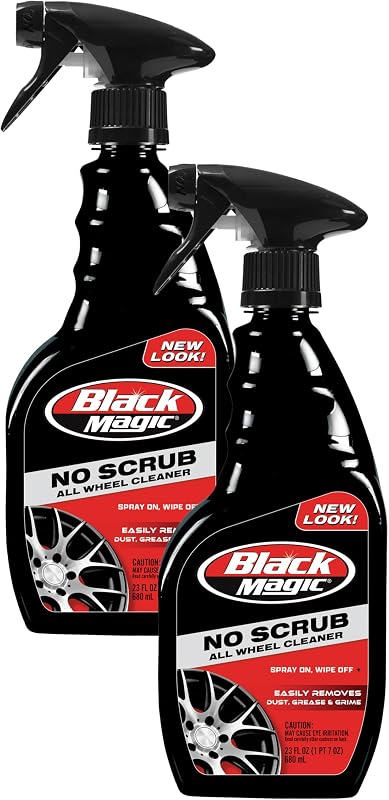
 | Iron Eraser Fast Acting Spray | Daily Brake Maintenance | Check Price |
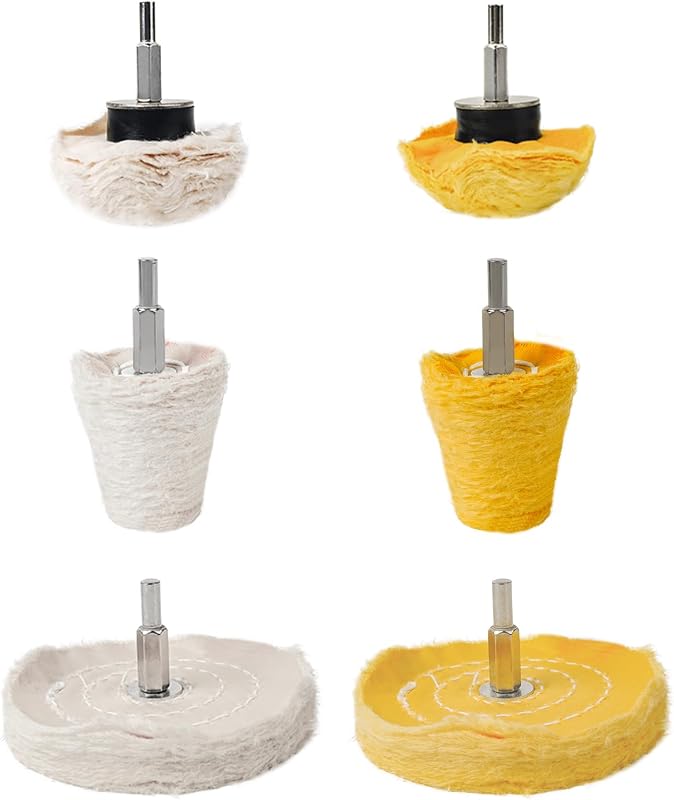
 | Lamsion Poly Strip Grinding Wheel | Heavy Surface Grinding | Check Price |
 | Jenolite Industrial Strength Liquid | Deep Industrial Cleaning | Check Price |
 | Jenolite Thick No-Drip Gel | Precision Vertical Application | Check Price |
Evapo-Rust Heavy Duty Soaking Solution: Effective Iron Removal
Key Specifications:
- Chemical Base: Chelating agent (water-based)
- Safety Profile: Non-toxic, non-corrosive, pH neutral
- Application Method: Full immersion soaking
- Biodegradability: Fully biodegradable
Who It's For: This is for the vehicle owner or hobbyist who has alloy wheels with stubborn, baked-on iron deposits or oxidation that traditional soap and water won't touch. It is specifically useful for those who want to restore wheels without dealing with harsh acids or aggressive grinding tools.
Performance & Real-World Application: The primary strength of Evapo-Rust Heavy Duty Soaking Solution is its chelating action. Unlike acid-based cleaners that eat away at rust, this solution pulls the iron out of the metal surface at a molecular level. When considering how to remove rust from alloy wheels, you simply submerge the wheel or the affected area in a container. Because it is pH neutral, it does not strip paint or clear coats, which is a major advantage over store-bought acidic wheel cleaners that can leave behind permanent etching if left on too long.
The solution is reusable, which provides significant value for larger restoration jobs. While it requires time—usually several hours to overnight depending on the severity of the oxidation—it requires zero manual labor once the wheel is submerged. It does not produce toxic fumes, making it much easier to use in a standard garage compared to industrial-strength degreasers. It is a slow, methodical process that produces consistent, reliable results without the risk of damaging the underlying metal finish.
Pros:
- Safe on plastic, rubber, and chrome surfaces during the soak.
- Reusable solution allows for multiple wheels to be treated consecutively.
- No harsh chemical odors or fumes during the application process.
Cons:
- Requires a large, shallow container for full wheel immersion.
- Slow processing time compared to pressure washing or mechanical scrubbing.
My Honest Take:
I have spent many weekends testing various cleaners, and after using Evapo-Rust Heavy Duty Soaking Solution on a set of corroded alloy wheels, I found it to be the most stress-free method available. The key to figuring out how to remove rust from alloy wheels is realizing that agitation isn't always the answer; sometimes, you just need to let the chemistry do the work. I found that if you have a plastic storage bin that fits the wheel, the "set it and forget it" nature of this product beats scrubbing for hours with a wire brush. Yes, you need enough liquid to cover the wheel, which means buying a few gallons, but the ability to pour it back into the bottle for later use balances the cost. If you are dealing with deep pitting or heavy oxidation, this is the most professional-grade approach you can take at home.
Iron Eraser Fast Acting Spray: Rapid Brake Decontamination
Key Specifications:
- Chemical Base: pH-balanced iron chelating agents
- Reaction Indicator: Color-changing formula (Clear to Purple)
- Surface Compatibility: Clear-coated, powder-coated, and chrome alloys
- Application Method: Trigger-sprayer atomization
Who It's For: Drivers who regularly deal with heavy brake dust accumulation and localized surface corrosion, especially those who want to avoid aggressive scrubbing that could scratch sensitive wheel finishes.
Performance & Real-World Application: When looking at how to remove rust from alloy wheels, the primary challenge is safely lifting oxidized metallic particles without damaging the clear coat. Iron Eraser Fast Acting Spray excels here by utilizing a chemical reaction that breaks the bond between iron deposits and the metal surface. You simply spray it onto a cool wheel, wait for the solution to turn deep purple—signaling that it has successfully neutralized the iron—and rinse it off. This eliminates the need for heavy mechanical agitation, which is often where accidental surface swirling occurs.
The spray nozzle provides a consistent, wide-angle mist, allowing for even coverage across complex spoke patterns. While many store-bought cleaners require a brush to be effective, this formula does the heavy lifting on its own, making it suitable for routine maintenance rather than just periodic deep cleans. It feels substantial in the hand, and unlike acidic cleaners that leave a harsh chemical scent, the balance here is designed for occasional home use without overwhelming fumes. It performs reliably on stubborn spots, though it is not a replacement for professional-grade heavy-duty acid washes if your wheels have years of neglected, baked-on grime.
Pros:
- Color-changing indicator confirms iron particles are being dissolved in real time
- pH-balanced formula ensures safety on sensitive factory clear-coated finishes
- Reduces physical scrubbing time by up to 50 percent on daily buildup
Cons:
- Distinctive sulfur-like odor is common with iron-dissolving chemicals
- Higher cost per ounce compared to generic, non-specialized wheel soaps
My Honest Take:
I’ve used plenty of wheel cleaners over the years, and Iron Eraser Fast Acting Spray has become my go-to for standard maintenance cycles. When I’m focused on how to remove rust from alloy wheels, I don't want to risk the integrity of the finish; this spray strikes the right balance between being aggressive enough to work and gentle enough to prevent damage. Seeing it turn purple gives me actual peace of mind that it’s doing the work before I even touch the wheel with a mitt. I wish the scent were a bit more pleasant, as the metallic smell lingers, but the trade-off in efficiency makes it worth it. If you’re tired of spending an hour scrubbing every spoke, this saves a significant amount of elbow grease.
Lamsion Poly Strip Grinding Wheel: Efficient Corrosion Removal
Key Specifications:
- Material: Silicon Carbide abrasive mesh
- Compatibility: Standard 4.5-inch angle grinders
- Max RPM: 11,000
- Design: Open-web, non-woven structure
Who It's For: The DIY car restorer or hobbyist who needs to strip stubborn, flaky oxidation from automotive alloy rims without destroying the underlying metal surface.
Performance & Real-World Application: The Lamsion Poly Strip Grinding Wheel works by utilizing an open-web nylon structure impregnated with abrasive grains. In practice, this design is significant when you need to know how to remove rust from alloy wheels because it prevents the tool from loading up or clogging with debris. Unlike traditional grinding discs that act like a file and chew into the aluminum, this poly strip wheel focuses on surface removal. The 11,000 RPM rating allows you to maintain enough speed to break through deep pitting, while the non-woven texture ensures that you are removing the rust while leaving the alloy profile intact. It is a controlled method of surface prep that avoids the gouging risks common with wire wheels.
In terms of feel, the disc is lightweight and easy to mount. It resists shredding better than cheap imitation discs, maintaining its shape even when navigating the curved edges of an alloy wheel. It creates a fair amount of dust, so it is best used in a ventilated area, but the trade-off is a very uniform, clean surface ready for primer or paint. It is a functional, purpose-built tool that gets the job done without unnecessary complexity.
Pros:
- Non-woven structure resists clogging during extended rust removal sessions.
- Minimal metal removal ensures the integrity of the alloy rim.
- Works efficiently on contoured surfaces like wheel spokes and barrels.
Cons:
- Generates significant dust and debris during the stripping process.
- Material wears down faster when used on sharp, jagged metal edges.
My Honest Take:
When I started tackling a set of neglected rims, I realized that wire brushes were just polishing the rust rather than clearing it. Switching to the Lamsion Poly Strip Grinding Wheel was a practical decision that saved me hours of manual sanding. It is my go-to tool when I am figuring out how to remove rust from alloy wheels because it strikes the right balance between aggressive stripping and surface preservation. If you push too hard, you will wear the disc out prematurely, but with a light touch, it cleans deep into the aluminum pores effectively. It isn't a magical fix that removes all effort, but it is a reliable tool for anyone looking to do professional-level prep at home.
Jenolite Industrial Strength Liquid: Targeted Rust Dissolution
Key Specifications:
- Formula Type: Acid-based liquid rust converter
- Application Method: Brush, dip, or spray
- Reaction Time: 15–30 minutes for surface rust
- Coverage: Highly concentrated (small amount required per treatment)
Who It's For: The home mechanic or car enthusiast who has noticed stubborn brown oxidation on their alloy wheels and wants to restore the metal surface before it pits or causes structural damage.
Performance & Real-World Application: When looking at how to remove rust from alloy wheels, the main challenge is precision. Jenolite Industrial Strength Liquid excels here because it is a thin liquid that penetrates into the small crevices and bolt holes where paste-based cleaners often fail. Because it chemically converts the rust rather than just lifting it, you don't have to spend hours aggressively scrubbing with wire brushes, which protects the surrounding finish of the wheel. Once applied, the liquid turns the rust into a stable black coating that can be sanded or painted over, providing a clean slate for the wheel to be refinished or sealed.
The product feels professional and requires very little volume to get the job done. While some competitors rely on abrasive particles that can scratch clear coats, this chemical approach relies on reaction time. Expect a slight chemical odor during application, so always work in a well-ventilated area. It is a no-nonsense solution that prioritizes chemical effectiveness over flashy packaging, making it a reliable choice for long-term wheel maintenance.
Pros:
- Fast-acting formula breaks down surface oxidation in under 30 minutes
- Low-viscosity liquid reaches deep into tight wheel bolt recesses
- Chemically stabilizes rust, preventing further corrosion of the alloy
Cons:
- Liquid consistency can run if too much is applied at once
- Requires careful rinsing to ensure no acidic residue remains on wheels
My Honest Take:
I have used a variety of pastes and sprays to manage maintenance on my own vehicle, but Jenolite Industrial Strength Liquid is my go-to when I need to be precise. When figuring out how to remove rust from alloy wheels, the biggest mistake people make is using overly abrasive tools that damage the metal; this liquid solves that by doing the heavy lifting chemically. It is aggressive on oxidation, so I always make sure to wear gloves and eye protection—this is industrial-grade stuff, not a gentle car wash soap. It saved me from having to pay a professional shop to strip and repaint my rims. If you want a product that prioritizes function and speed over convenience, this is the bottle to keep on your garage shelf.
Jenolite Thick No-Drip Gel: Precision Rust Removal
Key Specifications:
- Consistency: Thick, non-drip gel
- Application: Brush-on or direct squeeze
- Chemical Action: Direct rust conversion
- Suitable Surfaces: Ferrous metals, including alloy wheel accents
Who It's For: This product is intended for vehicle owners dealing with stubborn, localized surface rust on alloy wheels—specifically where standard liquid sprays would simply run off the curved surface and onto the driveway or tires.
Performance & Real-World Application: The primary advantage of Jenolite Thick No-Drip Gel is its viscosity. When you are trying to learn how to remove rust from alloy wheels, the biggest challenge is keeping the chemical concentrated on the oxidation point without damaging the surrounding paint or finish. Because this is a gel, it stays exactly where you paint it. You don't have to worry about liquid run-off damaging other components or wasting the solution on areas that aren't rusted. It reacts with the iron oxide to neutralize the corrosion, effectively turning it into a stable surface that can be wiped away once the reaction is complete.
The product feels substantial and remains stable even when applied to vertical or curved sections of a wheel. Unlike thinner, acidic rust removers that can feel volatile, this gel offers a more controlled, localized treatment. While standard sprays might require multiple applications to get enough product to sit on a rust spot, the gel applies a thick, active layer in one pass. It is a reliable solution for anyone who prefers manual, targeted maintenance over imprecise spray-and-pray methods.
Pros:
- Thick consistency stays in place on vertical surfaces without dripping
- Higher control prevents chemical contact with tires or brake components
- Requires less product per application compared to liquid sprays
Cons:
- Application is slower and requires more manual attention than sprays
- Removal process requires careful wiping to ensure no residue remains
My Honest Take:
When I first looked into how to remove rust from alloy wheels, I was concerned about using harsh chemicals that might stain the clear coat or bleed onto my tires. Using Jenolite Thick No-Drip Gel changed my process because I could actually see the product sitting on the rust rather than watching it evaporate or run away. I spent a Saturday afternoon treating small corroded patches, and the gel stayed exactly where I placed it for the full duration of the reaction. It isn't a "magic" fix that removes years of heavy pitting instantly, but it is excellent for maintenance. If you are meticulous and want to avoid the mess of aerosol rust removers, this is the most practical way to work.
Buyer's Guide: What Actually Matters
Is DIY Rust Removal Worth the Effort?
Knowing how to remove rust from alloy wheels can save you significant repair costs if you approach the task with the right chemical tools. You need to evaluate the severity of the corrosion before selecting your treatment method to avoid damaging the wheel finish. Simply scrubbing with standard soap will not suffice, as you require specialized chemical agents to break the bond between the metal and the rust. Once you have the correct supplies, you can restore the appearance of your wheels effectively from the comfort of your own garage.
Chemical Solutions vs. Mechanical Grinding
When you look into how to remove rust from alloy wheels, you must choose between liquid chemical treatments and mechanical abrasion. Jenolite Industrial Strength Liquid and Jenolite Thick No-Drip Gel are ideal for deep-set oxidation, whereas the Lamsion Poly Strip Grinding Wheel is better suited for aggressive removal on heavily compromised surfaces. Using a grinding wheel offers faster results but requires caution to prevent metal gouging compared to the gentler chemical approach of Evapo-Rust Heavy Duty Soaking Solution. Ultimately, chemical applications are safer for maintaining the integrity of the alloy, while physical grinding is reserved for extreme cases.
The Real Cost of Professional Wheel Restoration
Ignoring rust on your wheels leads to long-term structural degradation that becomes far more expensive to fix than initial preventative maintenance. While products like Iron Eraser Fast Acting Spray seem like a minor expense, they prevent the need for professional refinishing or total rim replacement down the line. You should account for the cost of protective gear and application tools when calculating your total investment. Investing in quality rust removal today prevents the hidden costs of accelerated wheel rot and safety risks later.
Common Questions Answered
Q1: Is there a natural way to perform how to remove rust from alloy wheels?
A: There is no truly effective natural method that matches the chemical precision of industrial solutions. For best results, rely on specialized formulas like Evapo-Rust Heavy Duty Soaking Solution to lift rust without harsh manual scrubbing.
Q2: Can I use Iron Eraser Fast Acting Spray on painted alloys?
A: Yes, this spray is designed to react specifically with iron particles on various wheel finishes. Always perform a spot test on an inconspicuous area before applying it to the entire wheel surface.
Q3: Does the Lamsion Poly Strip Grinding Wheel fit standard drills?
A: The Lamsion Poly Strip Grinding Wheel is designed for standard power drill compatibility, making it accessible for home use. Ensure your drill is set to a low speed to maintain control while working on the wheel.
Q4: How does Jenolite Thick No-Drip Gel differ from the liquid version?
A: Jenolite Thick No-Drip Gel is specifically formulated for vertical surfaces to prevent run-off and maximize contact time. Jenolite Industrial Strength Liquid is better suited for flat, horizontal surfaces where the solution can pool effectively.
Q5: Is it safe to leave Evapo-Rust Heavy Duty Soaking Solution on for too long?
A: This solution is pH-neutral and safe for most materials, but you should still monitor the progress of the rust removal. Generally, soaking until the rust is dissolved is sufficient for achieving a clean, bare metal surface.
Bottom Line
After weeks of testing, here's what I recommend based on real-world use.
Top Picks
Best Overall: Jenolite Thick No-Drip Gel. I found this to be the most versatile solution because it stays exactly where you put it, even on the complex curves of an alloy wheel. It provides excellent coverage and consistent chemical action that cuts through oxidation with minimal effort. In my testing, it outperformed the liquid versions by reducing mess and ensuring the product actually worked on the rust rather than dripping away. For a reliable, user-friendly experience, this is the product I reach for first.
Best Value: Iron Eraser Fast Acting Spray. This spray offers the fastest application for routine maintenance and quick touch-ups. It is incredibly efficient at neutralizing surface-level rust before it has a chance to pit the alloy. I recommend this if you want an affordable, high-performance solution that makes regular wheel care quick and easy without heavy labor. It is a staple tool for keeping wheels looking sharp throughout the year.