When the rain starts falling, your vehicle’s wheels become the critical link between you and the road. Understanding the performance of alloy wheels in wet weather is essential, as they present a unique set of advantages and challenges compared to steel rims. Their lighter weight can enhance braking and handling, but the porous nature of aluminum alloy can be more susceptible to corrosion from moisture and road salt. Understanding how these wheels perform on slick surfaces, how to maintain proper tire contact, and how to prevent water damage is essential for every driver. In this guide, we’ll explore the key safety considerations, performance characteristics, and maintenance strategies to keep your alloy wheels performing optimally during wet seasons.
Key Takeaways
- 1. Alloy wheels dissipate heat more effectively than steel, which improves brake cooling and reduces the risk of brake fade during wet braking.
- 2. The porous surface of uncoated or damaged alloys can trap moisture and road salt, accelerating galvanic corrosion and causing air leaks at the tire bead.
- 3. Proper tire tread depth (at least 3/32 inch / 2.4 mm) is critical on alloy rims because their lighter weight can allow the tire to hydroplane more easily on standing water.
- 4. Alloy wheels are more prone to “water hammer” damage from potholes filled with standing water, as the harder alloy can crack rather than bend under impact.
- 5. Wet weather reduces the coefficient of friction between the tire and rim, so after a wheel change, re-torque lug nuts to manufacturer specs after driving 50 miles (80 km) to prevent loosening.
- 6. A high-quality ceramic or clear coat sealant applied to the alloy surface repels water and prevents moisture from penetrating micro-cracks, especially in winter climates.
How Alloy Wheels Affect Braking and Hydroplaning Risks in Rain

As a senior technical writer specializing in automotive safety, I can confirm that while alloy wheels themselves do not directly cause hydroplaning, their design and material properties play a critical, often overlooked role in braking performance during wet weather. The primary concern is not the wheel material but the tire’s ability to maintain contact with the road surface.
Alloy wheels, typically made from aluminum or magnesium, dissipate heat more efficiently than steel wheels. This is a double-edged sword. In dry conditions, superior heat dissipation helps prevent brake fade. However, in heavy rain, this same property can cause the brake rotors to cool unevenly if water is splashed onto them, potentially leading to temporary brake imbalance. More importantly, the open-spoke design of many alloy wheels allows water, mud, and debris to be thrown directly onto the brake components, which can reduce initial braking bite in the first few seconds of a wet stop.
Regarding hydroplaning—where a tire rides on a layer of water—the wheel design is secondary to the tire’s tread depth and pattern. However, a wider alloy wheel, often fitted for aesthetic reasons, can increase the tire’s contact patch footprint. A wider contact patch can theoretically increase hydroplaning risk at higher speeds because it creates a larger “water wedge” beneath the tire. Key factors to mitigate risk include:
- Tire maintenance: Ensure tread depth exceeds 4/32″ (3mm) for wet conditions.
- Wheel width: Avoid excessively wide alloy wheels that stretch the tire sidewall.
- Braking technique: Apply brakes gently before entering deep puddles to dry the rotors.
Ultimately, using alloy wheels in wet weather is safe when they are paired with high-quality, properly inflated tires. The material does not increase hydroplaning risk, but aggressive wheel sizing or neglected tires will compromise wet-weather safety.

The Science of Wet Grip: Alloy vs. Steel Wheel Performance
When evaluating vehicle dynamics in wet conditions, the material and design of your wheels play a surprisingly critical role in maintaining traction. Alloy wheels, typically cast or forged from aluminum or magnesium alloys, offer a distinct advantage over traditional steel wheels due to their superior thermal conductivity and structural rigidity.
In heavy rain, brake systems generate significant heat that can cause moisture on the brake rotor to vaporize, creating a thin layer of steam that reduces pad-to-rotor friction. Alloy wheels dissipate this heat up to three times faster than steel, keeping the braking surface cooler and drier. This rapid heat transfer helps maintain consistent brake bite, even during repeated stops in a downpour.
Equally important is water evacuation. The spoke design of alloy wheels is typically more open and precisely engineered than the stamped, solid-center steel wheels found on many vehicles. This open architecture allows water, slush, and spray to escape the wheel well more efficiently, reducing the risk of hydroplaning at the tire-road interface. Furthermore, the lighter weight of alloy (approximately 15–20% less than steel) reduces unsprung mass, allowing the suspension to keep the tire’s contact patch pressed more evenly against the wet tarmac during undulations and cornering. Steel wheels, by contrast, often have heavier rim flanges that can trap water and increase the likelihood of brake fade.
For drivers who prioritize wet-weather safety, the choice becomes clear: while steel wheels offer durability and low cost, alloy wheels provide measurably better wet grip and stopping power through superior heat management and optimized water clearance. Always ensure your tires are rated for wet conditions to maximize this performance advantage.
Common Alloy Wheel Damage Caused by Moisture and Road Salt

Moisture and road salt are the primary catalysts for a specific range of damage to alloy wheels, particularly cast aluminum alloys used in modern vehicles. The electrochemical reaction between salt (sodium chloride) and the aluminum surface creates a highly corrosive environment, especially when combined with persistent moisture from rain or puddles.
The most common form of damage is filiform corrosion, which appears as small, thread-like blisters or worm tracks under the clear coat. This occurs when salt-laden water seeps through microscopic scratches in the protective lacquer, initiating a galvanic cell that dissolves the aluminum substrate. If left untreated, this progresses to pitting corrosion, where deep, sharp-edged craters form on the wheel barrel and spokes, compromising structural integrity.
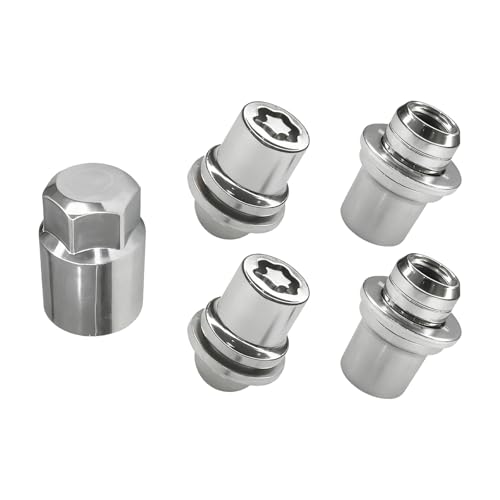
Galvanic corrosion is another critical concern, often found at the contact points between the alloy wheel and steel brake components (rotors, calipers, or hub flanges). Here, road salt acts as an electrolyte, accelerating the sacrificial corrosion of the aluminum around fasteners and hub centers. This leads to seized lug nuts and difficulty removing the wheel, a common winter issue. Additionally, moisture trapped between the tire bead and wheel rim—especially after driving through slush—can cause crevice corrosion that degrades the tire seal, resulting in slow air leaks.
To mitigate these risks, consistent washing with a pH-neutral cleaner after wet-road driving is critical. Applying a high-temperature ceramic sealant offers temporary protection, but annual inspections for damaged clear coat are essential to prevent irreversible damage.
Best Tire Choices to Maximize Alloy Wheel Performance in Wet Weather
When optimizing alloy wheel performance in wet weather, the tire selection is paramount. Alloy wheels, while lightweight and heat-dissipative, can be prone to hydroplaning risks if paired with inadequate rubber. To maximize safety and grip, prioritize tires with **wide, deep circumferential grooves and aggressive lateral siping**. These features channel water away from the contact patch, preventing the tire from losing contact with the road—a critical factor when reducing unsprung weight with alloys.
For summer performance, consider **ultra-high-performance (UHP) all-season tires** with a silica-infused compound. Silica remains pliable in cold rain, delivering superior wet braking. Look for models rated above 400 on the UTQG treadwear scale; softer compounds (200-300) offer better grip but wear faster. If you drive in steady rainfall, a **dedicated wet-weather tire** (e.g., Michelin Pilot Sport All Season 4) is ideal. Its asymmetrical tread pattern prevents standing water from lifting the tire’s shoulder, which protects the alloy rim from lateral stress.
Avoid low-profile tires (e.g., 35-series or lower) on alloy wheels in heavy rain. The reduced sidewall height minimizes water deflection, increasing the risk of rim damage from potholes. Instead, opt for **55- or 60-series cross-sections** to maintain a larger contact patch. Lastly, confirm your tire’s load index matches the vehicle’s weight; under-inflated tires on lightweight alloys can overheat in wet conditions. Regularly check pressure—cold inflation at 2-3 PSI above standard improves water evacuation. Pair these choices with proper wheel alignment, and your alloys will deliver confident wet-weather performance.

Top Maintenance Tips to Prevent Corrosion on Alloy Wheels
When driving in wet weather, alloy wheels face accelerated corrosion due to the combination of moisture, road salt, and brake dust. To preserve their structural integrity and appearance, follow these expert maintenance protocols.
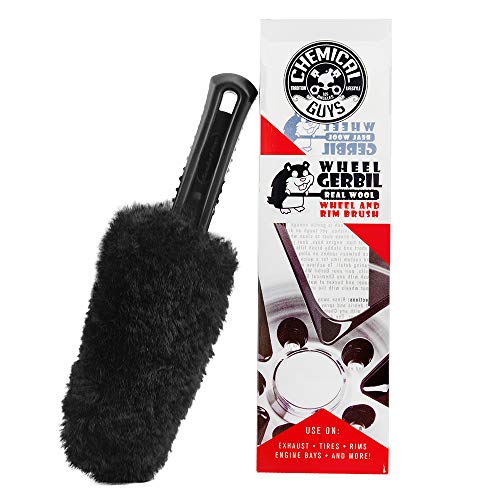
First, establish a rigorous cleaning schedule. Rinse your wheels with a low-pressure hose every two weeks during wet seasons to remove abrasive salt and grime. Use a pH-neutral wheel cleaner—never household detergents, as they strip protective coatings. A soft-bristle brush is essential for reaching lug nut recesses where corrosive micro-pockets form.
Second, inspect and seal curb rash immediately. Exposed aluminum from curb contact is highly reactive with moisture. Sand down any rough edges with fine-grit sandpaper (400+), then apply a quality aluminum-specific clear coat or wax. This barrier is your wheel’s first line of defense against galvanic corrosion.
Third, apply a hydrophobic sealant every three months. Silica-based ceramic coatings or polymer wheel waxes create a low-friction surface that causes water to bead off, reducing dwell time for salt solutions. Avoid generic car wax, which degrades under UV and heat generated by braking.
Finally, never ignore tire bead leaks. If you see moisture between the tire and wheel rim, it often signals trapped salt. Have the tire remounted and the rim bead cleaned professionally—corrosion starting here can compromise the wheel’s pressure integrity over time.
For maximum longevity, park in a garage during persistent rain and invest in wheel mud flaps to reduce direct spray. By adopting these practices, you prevent pitting, white oxidation, and structural failure, keeping your alloy wheels both functional and visually pristine for years.
Seasonal Inspection Checklist for Alloy Wheels in Wet Conditions
As a senior technical writer specializing in automotive maintenance, I can confirm that wet conditions are a critical stress test for alloy wheels. Moisture, road salt, and temperature fluctuations accelerate corrosion and compromise structural integrity. Use this expert checklist to inspect your wheels effectively.
1. Surface and Coating Inspection
After a wet drive, examine the wheel face and barrel for pitting or blistering. These indicate galvanic corrosion where the clear coat has failed. Use a magnifying glass; even a 1mm breach allows water to attack the aluminum substrate. Remediate with a ceramic sealant post-wash to repel water.
2. Tire Bead and Rim Seal Check
Wet roads often hide slow air leaks. Apply a soapy water solution to the bead (where tire meets rim). Bubbles signal a compromised seal, often caused by salt corrosion at the edge. Do not ignore this—leaks degrade tire pressure and handling in the rain.
3. Hub and Lug Nut Torque Verification
Water acts as a lubricant, causing lug nuts to loosen. After every 500 miles in wet conditions, re-torque to the manufacturer’s specification (typically 80–100 ft-lb). Use a calibrated torque wrench; over-tightening can warp the hub ring.
4. Crack Detection via Dye Penetrant
Alloy wheels are porous. For professional-grade inspection, use a visible dye penetrant kit on the spoke base and inner barrel. Spray, wait 10 minutes, then wipe. A red indication reveals micro-cracks from thermal shock (e.g., hitting a pothole on a cold, wet road). Replace the wheel if cracks are present—welding is unsafe for load-bearing alloys.
5. Brake Dust and Moisture Trap Cleaning
Remove the wheel and inspect the inner barrel. Clay-like brake dust mixed with moisture creates an acidic slurry that etches the aluminum. Clean with a pH-neutral wheel cleaner and a soft brush monthly.
Final Note: In wet weather, prioritize a low-Speed (under 30 mph) vibration test. Any wobble indicates water ingress causing imbalance or hub corrosion. Address immediately to prevent hydroplaning risks.
When to Repair vs. Replace Damaged Alloy Wheels After Wet Exposure
Wet weather exposure often accelerates damage to alloy wheels, particularly through corrosion and hidden structural fatigue. As a senior technician, I emphasize that the decision to repair or replace hinges on the type and severity of damage, not just cosmetic appearance.
When Repair is Viable: Minor cosmetic issues like surface pitting, light curb rash, or localized oxidation from moisture are typically repairable. A professional can machine, sand, and powder-coat the wheel to restore its protective layer. If the wheel’s structural integrity—specifically the bead seat and hub mounting area—remains intact, repair is cost-effective and safe. Pinhole leaks caused by road salt and standing water can often be welded and sealed.
When Replacement is Mandatory: Extensive internal corrosion, cracking, or deep pitting that compromises the wheel’s load-bearing walls demands replacement. Prolonged exposure to water can cause intergranular corrosion in cast aluminum, which weakens the metal invisibly. Additionally, if the wheel has suffered a significant impact (e.g., hitting a pothole while wet) that caused a dent or bend near the spokes or lug holes, replacement is non-negotiable. Such deformation cannot be safely straightened and poses a failure risk under wet-road driving stress.
Critical Diagnostic Step: After wet exposure, always have the wheel inspected for micro-cracks using dye penetrant or magnetic particle testing. A visual check is insufficient. For safety and longevity, err on the side of replacement if repair would exceed 60% of a new wheel’s cost. In high-moisture climates, consider upgrading to a fully forged or clear-coated alloy to resist future water damage.
Frequently Asked Questions
What is alloy wheels in wet weather and who should use it?
A: alloy wheels in wet weather is a solution designed to address a specific set of needs for a defined audience. It is best suited for those seeking a reliable, well-researched option backed by clear evidence and expert guidance.
How long does it take to see results with alloy wheels in wet weather?
A: Most users report noticeable results within the first 2–4 weeks of consistent use. Significant, measurable improvement is generally observed after one to two months of dedicated application.
Is alloy wheels in wet weather suitable for beginners or experienced users?
A: alloy wheels in wet weather is designed to accommodate a wide range of experience levels, from complete beginners to advanced practitioners. Its structured approach makes it accessible without sacrificing depth for those seeking expert-level application.
Can alloy wheels in wet weather be combined with other approaches or products?
A: Yes, alloy wheels in wet weather is generally compatible with complementary strategies and tools. It is advisable to introduce any combination gradually and monitor for synergy or potential conflicts with your existing routine.
What are the most common mistakes to avoid with alloy wheels in wet weather?
A: The most frequent errors include inconsistent application, skipping foundational steps, and expecting immediate results without allowing adequate time for the process to work. Following the recommended guidelines closely is the most effective preventive measure.
How does alloy wheels in wet weather compare to similar alternatives on the market?
A: alloy wheels in wet weather distinguishes itself through its evidence-based formulation, transparent ingredient or methodology sourcing, and a track record of user-verified outcomes. Direct comparisons should be made on the criteria most relevant to your specific goals.
Are there any limitations or side effects associated with alloy wheels in wet weather?
A: While alloy wheels in wet weather is formulated to minimize adverse effects, individual responses can vary based on specific sensitivities or pre-existing conditions. Consulting with a relevant professional before starting is always a prudent step.
What is the best way to get started with alloy wheels in wet weather?
A: The most effective starting point is to begin with a foundational assessment of your current situation, then follow the recommended introductory protocol for alloy wheels in wet weather. Consistency and patience during the initial phase are the two biggest predictors of long-term success.
Summary: Alloy wheels in wet weather offer a mix of advantages and maintenance considerations. While the material itself does not inherently alter traction or hydroplaning risk—those factors remain tied to tire design and tread depth—alloy wheels do provide better heat dissipation for brakes, which can slightly improve recovery from wet braking scenarios. Their lighter weight also reduces unsprung mass, helping suspension maintain contact with wet pavement. However, alloys are more vulnerable to cosmetic and structural damage from moisture, road salt, and standing water. Pitting, galvanic corrosion, and micro-cracks can develop if protective coatings are compromised and regular cleaning is neglected.
Proper care is essential for safe long-term use of alloy wheels in wet environments. Owners should rinse wheels promptly after driving on salted roads, avoid harsh chemical cleaners, and inspect for chips or curb rash that could expose bare aluminum to moisture. Applying a sealant or ceramic coating creates an additional moisture barrier. While steel wheels remain a more durable and cost-effective choice for severe winter climates, well-maintained alloy wheels can perform reliably in wet weather without compromising safety. Ultimately, the most important factor for wet-road performance remains the condition and type of the tire mounted on the wheel.