When you decide to How to Setup & Use How to Read Wheel Size Markings: Decode Numbers & Letters Like a Pro, you unlock the ability to make informed decisions about your vehicle’s performance and safety.
This guide is designed for automotive enthusiasts and everyday drivers who want to move beyond guessing when purchasing new components. We assume a basic familiarity with vehicle maintenance but provide deep technical context for those looking to master the nuances of tire and wheel geometry.
By the end of this guide, you will be able to interpret sidewall markings with precision, understand how specific codes dictate compatibility, and confidently select the right hardware for your vehicle’s unique requirements.
- Deciphering the Width, Profile, and Diameter sequence.
- Understanding the critical role of speed ratings and load indexes.
- The importance of bolt patterns and center bore measurements.
- Avoiding common pitfalls when mixing and matching wheel sizes.
- How to cross-reference factory specifications with aftermarket upgrades.
Overview & Prerequisites

What You'll Need
To begin, you will need access to your vehicle's current tires, a clean cloth to wipe away road grime from the sidewall, and your vehicle's owner’s manual. A digital tire pressure gauge and a measuring tape are also helpful for verifying real-world dimensions against the printed specifications.
Who This Guide Is For
This content is tailored for drivers seeking to verify their current setup or prepare for a performance upgrade. As noted in our Tyre Size Comparison: How to Choose the Perfect Fit for Your Vehicle, understanding these basics is non-negotiable for vehicle safety.
Always perform your reading in a well-lit area. Sidewall markings can be difficult to read if they are inverted or faded; a flashlight held at an angle can highlight the embossed characters.
Core Concepts & Fundamentals
Understanding the Sequence
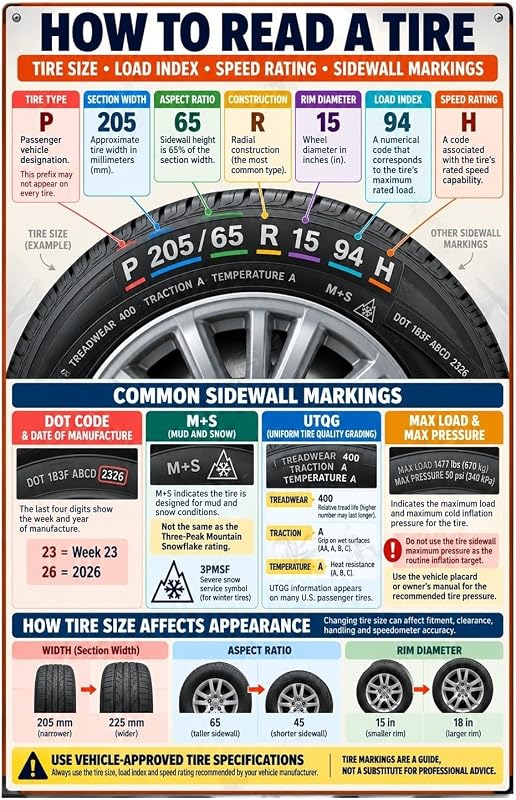
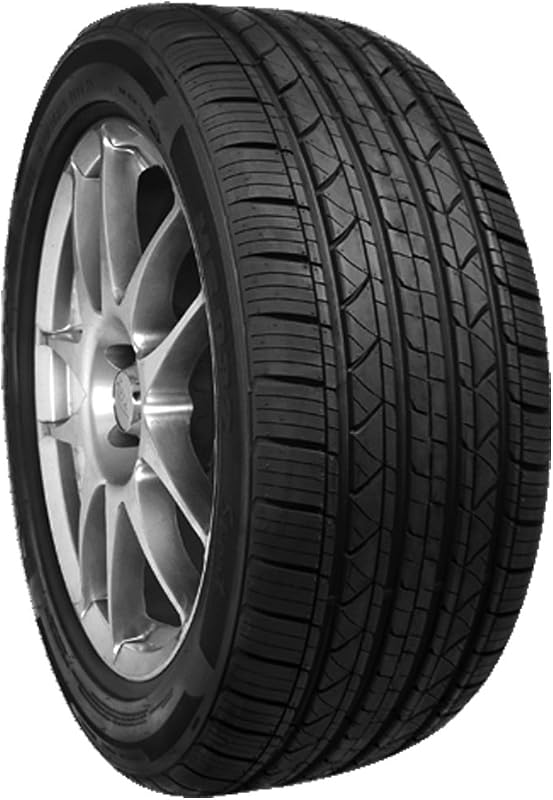
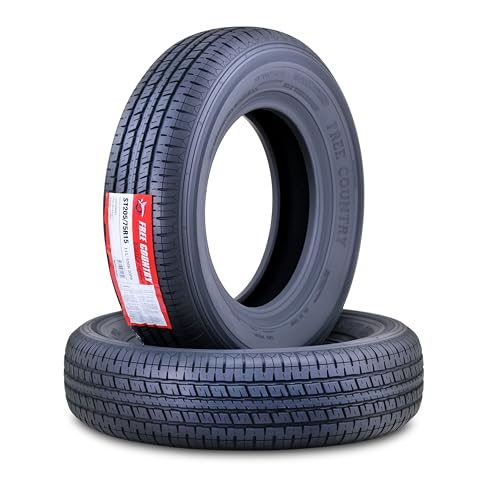
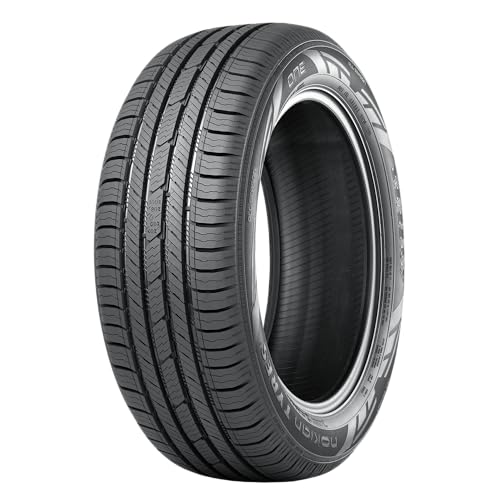
Tire markings follow a standardized international format (e.g., 225/45R17). The first number represents width in millimeters, the second represents the aspect ratio (sidewall height as a percentage of width), and the final number is the rim diameter in inches. These metrics define the total rolling circumference of your tire.
Speed and Load Ratings
Beyond dimensions, letters and numbers indicate safety limits. Understanding Best Tire Speed Ratings: Reliable Performance and Safety Advice helps you ensure that your tires can handle the vehicle's top speed and maximum weight capacity without failure.
| Component | Correct Model | Incorrect Model |
|---|---|---|
| Width | Measured in mm | Assuming it's in inches |
| Diameter | Matches rim size exactly | Mixing 17" tires on 18" wheels |
| Speed Rating | Rated for vehicle top speed | Under-rating for performance |
Step-by-Step Execution Guide

Preparation Phase
Before attempting to purchase or install, you must record your current data. Cleaning the sidewall is the most overlooked step in the process; road debris can easily mask a critical letter or digit.
Execution Phase
Best Practices & Pro Tips

Maintaining Accuracy
Always rely on the door-jamb placard rather than the tires currently installed, as previous owners may have installed incorrect sizes. Regularly checking these numbers ensures your speedometer remains accurate.
Refining Your Knowledge
Troubleshooting & Common Pitfalls

Identifying Mismatches
If you discover that your tires do not match the manufacturer's specifications, prioritize replacing them. Incorrect sizing can trigger ABS sensor errors or cause premature suspension wear.
Addressing Technical Failures
Frequently Asked Questions
What does the letter R stand for in tire size?
A: It stands for Radial, which refers to the internal construction of the tire where fabric cords are layered at 90-degree angles to the tread center.
Can I put a wider tire on my wheel?
A: Generally, yes, but you must stay within the rim width range recommended by the wheel manufacturer to avoid safety risks.
Is the load index important?
A: Yes, the load index dictates how much weight the tire can safely support. Never choose a lower load index than the vehicle’s original requirement.
What happens if I ignore the speed rating?
A: Running tires with a lower speed rating than your vehicle's capability can lead to rapid heat buildup and potential tread separation.
Where can I find my vehicle's tire pressure recommendations?
A: Always check the white or silver sticker inside the driver’s side door jamb for exact psi requirements.
Do winter tires have different markings?
A: They often include a "3PMSF" symbol (Three-Peak Mountain Snowflake) indicating they meet specific snow traction requirements.
Can I mix brands if the sizes match?
A: It is not ideal, but acceptable if the speed rating, load index, and tread pattern type match perfectly on the same axle.
How often should I check my tires?
A: A visual inspection should occur monthly, and tire pressure should be checked at least once every two weeks or before long trips.
Key Takeaways
- 1 Always verify tire specs against the door-jamb sticker, not just existing tires.
- 2 The first number in the sequence is width measured in millimeters.
- 3 The final number is the rim diameter, which must match your wheels exactly.
- 4 Radial (R) construction is standard for almost all modern passenger vehicles.
- 5 Speed ratings are critical safety features that prevent heat-related failures.
- 6 Clean the tire sidewall thoroughly to ensure you are reading the correct codes.
- 7 Never install tires with a lower load index than what your vehicle manufacturer specifies.
Conclusion
Learning to decode tire markings is a fundamental skill for any vehicle owner. By applying the steps outlined in this guide, you can ensure your vehicle remains safe, compliant, and optimized for performance.
Remember that the information on the tire sidewall is the final authority on what you are currently using, but the manufacturer's placard is the final authority on what your car actually requires.
Mastering these details is the first step toward true automotive independence. For further reading, explore our resources on How to Repair Oxidized or Peeling Clear Coat on Rims Complete Specifications, Sizing & Features to keep your wheels in showroom condition.
📌 Pillar Resource: Read our complete main How to Read Wheel Size Markings: Decode Numbers & Letters Like a Pro guide for in-depth insights.