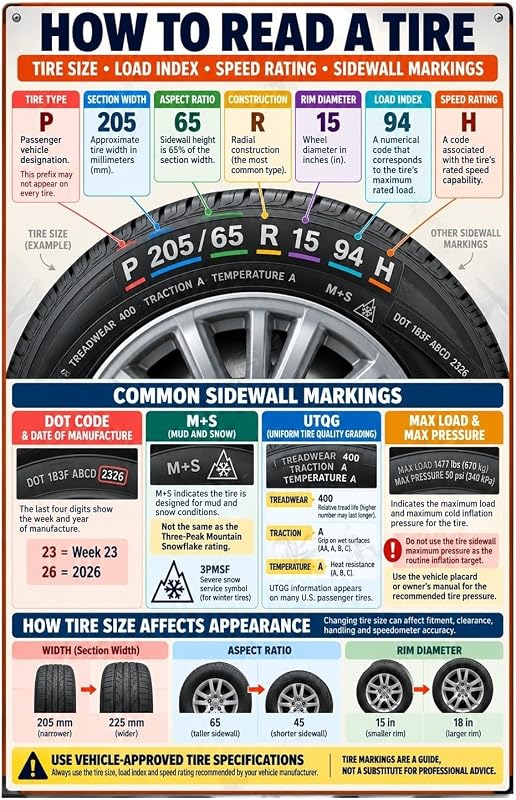
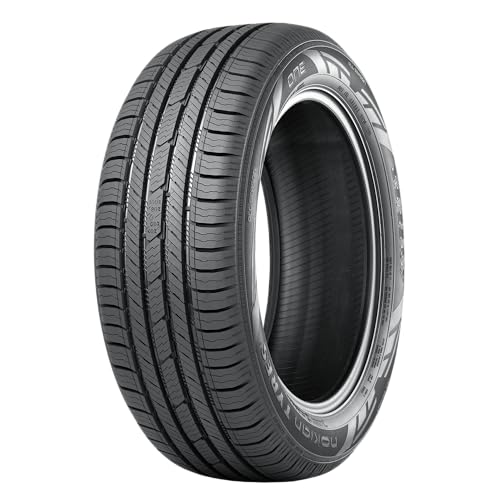
Understanding the How to Repair Oxidized or Peeling Clear Coat on Rims Sizing & Specs Checklist is essential for any DIY enthusiast looking to maintain their vehicle's aesthetics without professional costs.
This guide is designed for car owners and automotive hobbyists who possess basic mechanical aptitude. It assumes you have access to a clean workspace, standard hand tools, and the patience required for meticulous surface preparation.
By the end of this guide, you will be able to identify the severity of rim damage, select the appropriate sanding media, apply high-quality clear coat, and ensure a durable finish that withstands road debris and weather conditions.
- Identifying oxidation levels versus physical damage.
- The importance of selecting correct abrasive grits.
- Environmental conditions for optimal curing.
- Step-by-step chemical cleaning and degreasing.
- Long-term maintenance strategies for alloy finishes.
Overview & Prerequisites

Required Materials and Safety Gear
Before beginning, gather 400, 800, and 2000 grit wet/dry sandpaper, high-quality automotive masking tape, a wax and grease remover, and a professional-grade 2K clear coat spray. Always wear nitrile gloves and a respirator mask during the sanding and spraying phases to protect against harmful dust and chemical fumes.
Evaluating Rim Compatibility
Assess if your wheels are factory clear-coated alloy or chrome. This guide focuses on painted/clear-coated aluminum. Refer to our Tyre Size Comparison: How to Choose the Perfect Fit for Your Vehicle to ensure you have adequate clearance for wheel removal if you choose to dismount them for a better working angle.
Tip: Always work in a shaded, dust-free environment with a temperature between 65 and 80 degrees Fahrenheit to ensure the clear coat levels correctly.
Core Concepts & Fundamentals

Understanding Clear Coat Degradation
Clear coat fails due to prolonged UV exposure, chemical road salt, and heat cycles. When the chemical bonds break, the layer turns cloudy or flakes off, exposing the bare metal to oxidation. Understanding the How to Repair Oxidized or Peeling Clear Coat on Rims Sizing & Specs Checklist principles helps differentiate between a simple buffing job and a full refinish.
Adhesion and Surface Preparation Theory
The secret to a lasting repair is the "mechanical key." If the surface is too smooth, the new clear coat won't grip; if it is too rough, the scratches will show through. Proper sanding creates microscopic grooves that provide the necessary surface area for the chemical bond.
| Action | Correct Mental Model | Incorrect Mental Model |
|---|---|---|
| Sanding | Uniform feathering of edges | Random heavy gouging |
| Cleaning | Removing microscopic oil films | Wiping away only loose dirt |
| Spraying | Multiple thin, overlapping layers | One thick, wet coat |
For deeper insight into advanced workflows, check out Step-by-Step: How to Setup, Configure & Master How to Repair Oxidized or Peeling Clear Coat on Rims.
Step-by-Step Execution Guide

Phase 1: Stripping and Sanding
Phase 2: Cleaning and Clear Coat Application
Best Practices & Pro Tips

Environmental and Equipment Refinements
Always keep your aerosol cans warm by soaking them in lukewarm water for a few minutes before spraying. This ensures a finer atomization of the clear coat particles. For a comprehensive comparison of professional methods, see How to Repair Oxidized or Peeling Clear Coat on Rims vs Top Competitors: Which is Best?
Refining the Finish
Troubleshooting & Common Pitfalls

Addressing Surface Failures
If you encounter uneven texture or peeling after a few months, it usually points to improper surface cleaning. Oils or road grime left behind prevent the clear coat from chemically bonding to the alloy base.
Quick Fixes for Common Issues
Frequently Asked Questions
How long does the repair last?
A: A professional-grade 2K clear coat, when applied correctly, can last several years depending on road conditions and care.
Can I use a hair dryer to speed up drying?
A: No, artificial heat can cause the top layer to dry faster than the bottom, leading to cracking or loss of gloss.
Do I need to sand the whole wheel?
A: Not necessarily, but you should sand well beyond the peeling area to "feather" the edges for an invisible transition.
What is 2K clear coat?
A: It is a two-component system that includes a hardener, making it significantly more durable than standard single-component spray paint.
Can I fix deep curb rash during this process?
A: You should repair deep metal gouges with metal filler before starting the clear coat process to ensure a level surface.
Is it better to remove the wheel?
A: Yes, removing the wheel allows for 360-degree access and prevents overspray on the brake rotors and calipers.
Why is my clear coat still soft?
A: Usually, this occurs when the spray environment is too cold or the mixture ratio of the 2K hardener was incorrect.
Does this process work on chrome wheels?
A: This process is specific to painted or clear-coated aluminum wheels and will not work on high-polish chrome.
Key Takeaways
- 1 Proper surface prep is 90% of the repair quality.
- 2 Always use a respirator to avoid inhaling paint particles.
- 3 Use 2K clear coat for chemical and UV resistance.
- 4 Humidity and temperature are critical factors for finish success.
- 5 Feathering edges prevents visual transition lines.
- 6 Clean with professional-grade wax/grease removers only.
- 7 Patience during curing prevents premature failure.
Conclusion
Mastering the How to Repair Oxidized or Peeling Clear Coat on Rims Sizing & Specs Checklist allows you to maintain your vehicle's value and visual appeal indefinitely. By focusing on the preparation phase and adhering to the technical requirements of the clear coat, you achieve results that rival professional shops.
For more maintenance guides, review 7 Common Problems with How to Repair Oxidized or Peeling Clear Coat on Rims (and Quick Fixes) to stay ahead of potential issues.
Precision, patience, and the right specs are the foundations of every successful rim restoration.
📌 Pillar Resource: Read our complete our How to Repair Oxidized or Peeling Clear Coat on Rims resource for in-depth insights.