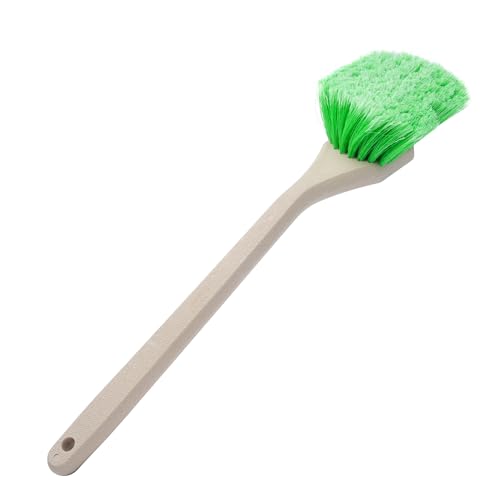
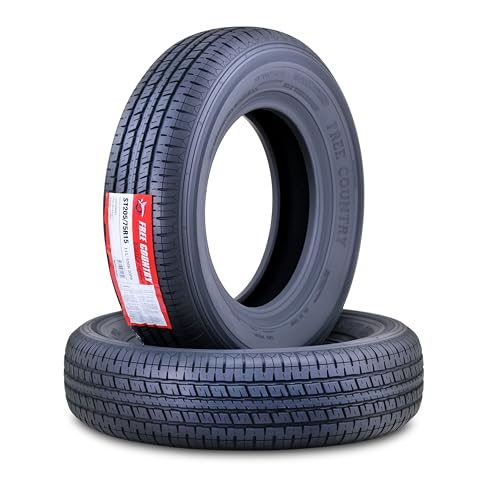
Deciding whether to perform a DIY restoration of your wheels or opt for professional intervention is the crux of How to Repair Oxidized or Peeling Clear Coat on Rims vs Alternatives. When clear coat begins to fail, exposing the raw metal beneath, wheel owners must choose between aggressive resurfacing or total refinishing.
Many drivers are confused by the marketing promises of "all-in-one" wheel repair kits compared to the higher cost of professional powder coating or professional paint services. Without understanding the limitations of each, you risk spending time on a temporary fix that fails within months.
This guide breaks down the technical differences, durability factors, and economic considerations to help you decide which path aligns with your budget and aesthetic goals for your 2026 vehicle maintenance plan.
- DIY vs. Professional service labor requirements
- Long-term durability against road salt and heat
- Cost-benefit analysis of materials vs. expert tools
- Aesthetic outcomes and factory-finish matching
- Safety considerations regarding structural integrity
Overview & Head-to-Head Summary

DIY Restoration Kits
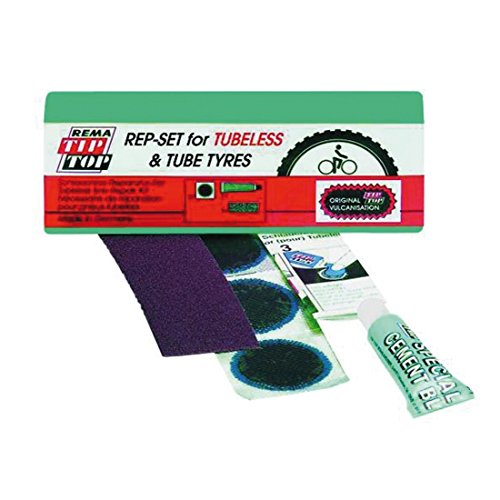
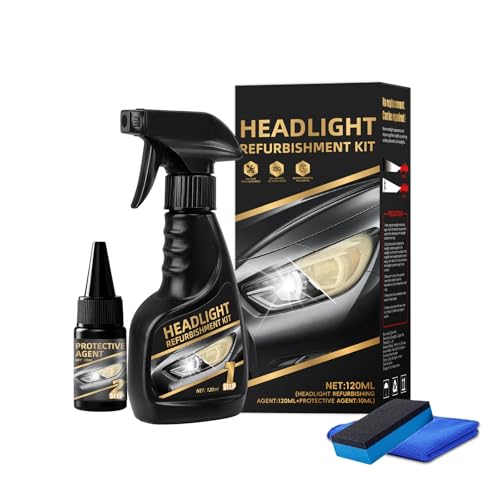
DIY repair kits typically involve sanding, masking, and applying spray-on clear coats. They are designed for minor localized damage, such as small patches of peeling or mild oxidation, where the underlying metal is still in good condition.
Professional Refinishing
Professional services involve stripping the entire wheel, chemical cleaning, potential welding, and professional-grade powder coating or multi-stage painting. This is a comprehensive service that resets the wheel to near-factory condition.
| Feature | DIY Repair | Professional Refinishing |
|---|---|---|
| Cost | Low ($50-$150) | High ($500-$1000+) |
| Time Required | 4-8 hours | 3-5 business days |
| Durability | Moderate | High (Factory-grade) |
| Skill Level | Moderate | Professional |
Before beginning any repair, ensure you understand your wheel's current condition. You can reference 7 Common Problems with How to Polish Alloy Wheels: Achieve a Gleaming Finish Effortlessly (and Quick Fixes) for guidance on when an issue is beyond a simple touch-up.
Key Differences & Core Features
Surface Preparation and Depth of Repair
The primary difference lies in the depth of intervention. DIY kits generally only address surface-level imperfections, whereas professional refinishing removes the old finish entirely to treat the base alloy. This prevents future oxidation from spreading under a new layer of clear coat.
Equipment and Chemical Standards
Professionals use industrial-grade sandblasting, chemical strippers, and specialized ovens for curing coatings. DIY solutions rely on canned aerosol sprays that often lack the UV resistance and hardness ratings of automotive-grade powder coat systems.
| Comparison Point | DIY Approach | Professional Approach |
|---|---|---|
| Chemical Strength | Consumer Grade | Industrial Grade |
| Curing Process | Air Dry | Thermal Oven Cure |
| Result Uniformity | Often shows touch-up marks | Factory-level consistency |
For more on maintaining a consistent surface, see Top 5 Must-Have Accessories for How to Polish Alloy Wheels: Achieve a Gleaming Finish Effortlessly in 2026.
Performance & Real-World Analysis

Evaluating Long-Term Environmental Resistance
Real-world performance depends heavily on the local climate. If you drive in areas with high road salt or extreme heat, DIY coatings often degrade within a single season, whereas powder-coated finishes are designed to withstand years of abuse.
The Assessment Process
Performance analysis concludes that for daily drivers in harsh climates, professional services provide superior ROI due to reduced need for repetitive repairs. For further insight on wheel performance, review Best Run Flat Tires: Reliable Road Safety.
Best Use Cases & Ideal Scenarios

When Option A (DIY Restoration) Makes More Sense
DIY restoration is ideal for selling a car quickly, fixing minor curb rash on an older vehicle, or for enthusiasts who enjoy the process of DIY maintenance on a budget.
When Option B (Professional Refinishing) Makes More Sense
This is the preferred route for high-end luxury vehicles, track cars requiring thermal stability, or whenever the owner intends to keep the vehicle for an extended period.
When It Genuinely Doesn't Matter
If your vehicle is primarily a utility unit or if you plan to upgrade to aftermarket wheels within the next year, neither method provides a long-term financial gain, and the "good enough" approach is acceptable.
Final Verdict & Decision Framework

Quick Decision Checklist
Choose DIY if your damage is isolated, you have the necessary space to work, and you aren't concerned with 5-year durability. Choose professional services if you have extensive peeling, high-value wheels, or live in a harsh environment.
Decision Mapping
| Your Goal | Recommendation |
|---|---|
| Max Cost Savings | DIY Repair |
| Factory Finish Quality | Professional Refinishing |
| Urgent/Short-term Fix | DIY Repair |
| High Long-term Value | Professional Refinishing |
Frequently Asked Questions
Can I just spray more clear coat over the peel?
A: No. New clear coat will not adhere to the old, oxidizing surface and will likely flake off within weeks.
Is DIY repair permanent?
A: Rarely. It is considered a temporary aesthetic fix that requires periodic maintenance.
Will professional refinishing weaken my rims?
A: If performed by a qualified shop, the process is safe, but avoid shops that use extreme heat stripping which can soften certain alloys.
How do I know if the oxidation is too deep?
A: If you can see dark spots or "worm tracks" deep in the metal, it has penetrated the alloy structure.
Can I use a standard paint gun for this?
A: Yes, but professional results require a clean-room environment to avoid dust contamination.
Are there specific wheels that shouldn't be DIY repaired?
A: Yes, polished or diamond-cut wheels are extremely difficult to replicate and usually require professional lathe machining.
How long does a professional finish last?
A: In ideal conditions, a quality powder coat can last for many years, comparable to factory finishes.
Does this affect wheel balance?
A: Generally no, but any significant buildup of paint or repair material on one side can potentially affect balance.
Key Takeaways
- 1 DIY kits are best for temporary aesthetic touch-ups.
- 2 Professional services provide long-term protection through thermal curing.
- 3 Oxidation depth dictates whether a DIY fix is viable.
- 4 Professional powder coating is the gold standard for durability.
- 5 Always strip the old finish entirely for best results.
- 6 Consider the resale value of the car before investing in professional refinishing.
- 7 Safety is paramount; do not repair wheels with deep cracks or structural damage.
Conclusion
Deciding between How to Repair Oxidized or Peeling Clear Coat on Rims vs Alternatives comes down to the balance of your immediate budget versus the expected longevity of your vehicle's wheels. While DIY kits offer an accessible entry point, they are seldom the final solution for severely damaged surfaces.
By assessing the depth of the oxidation and your long-term ownership goals, you can choose the path that ensures both safety and the desired aesthetic look for your vehicle in 2026.
Take your time with the preparation phase; regardless of the method, the quality of the finish is always determined by the quality of the surface prep.
📌 Pillar Resource: Read our complete complete How to Repair Oxidized or Peeling Clear Coat on Rims review for in-depth insights.