Are Steel Wheels Better At Holding Pressure Than Alloy Wheels On A Car? This is a common question among automotive enthusiasts seeking to understand the material science behind tire air retention and bead seating.
This guide is designed for automotive owners, DIY mechanics, and fleet managers who want to understand the mechanical differences between steel and alloy rim construction. We assume a fundamental understanding of vehicle maintenance but provide clear, technical definitions to ensure accessibility for all skill levels.
By the end of this guide, you will be able to evaluate the impact of wheel material on pressure integrity, identify signs of bead leaks, and optimize your wheel maintenance routine for maximum performance.
- The physical relationship between bead seat design and air pressure.
- Why material density affects structural integrity over time.
- The primary causes of air loss in alloy wheels vs. steel wheels.
- Diagnostic techniques for identifying slow leaks.
- How environment impacts the longevity of wheel seals.
Overview & Prerequisites

Defining the Scope of Wheel Integrity
When analyzing if steel wheels are better at holding pressure than alloy wheels on a car, we must distinguish between the material's inherent properties and the manufacturing tolerances. Steel is a rigid, dense alloy that resists deformation, while aluminum alloy wheels offer a balance of weight savings and strength. Understanding these differences is essential for effective vehicle upkeep.
Tools and Technical Requirements
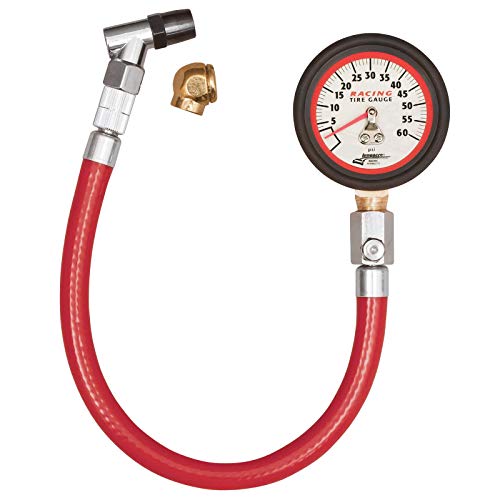
To evaluate your current setup, you will need a reliable tire pressure gauge, a soapy water solution for leak detection, and a high-quality wire brush for cleaning the rim bead seat. For those managing alloy maintenance, you can check our Top 5 Must-Have Accessories for Best Way to Clean Brake Dust Off Alloy Wheels to ensure your surfaces remain pristine.
Always perform pressure checks on a level surface with "cold" tires to ensure the most accurate data readings.
Core Concepts & Fundamentals

Material Porosity and Bead Seating
Steel wheels are formed from stamped metal, typically resulting in a very smooth, consistent surface at the bead seat. Alloy wheels, while superior in aesthetics, are cast or forged. Historically, poor-quality alloy casts could be slightly porous, potentially leading to slow pressure drops over long periods. However, modern manufacturing has largely negated this for high-quality OEM wheels.
Mechanical Factors in Air Retention
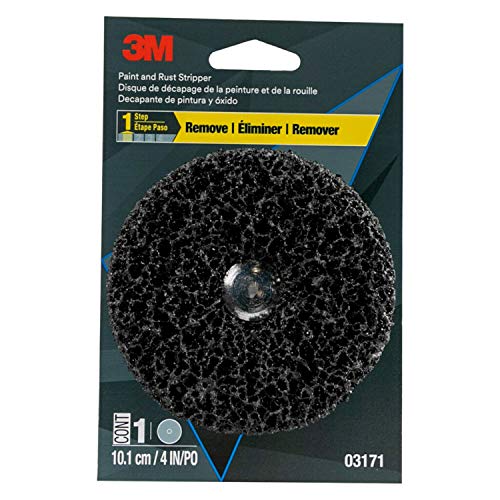
The primary driver of pressure loss is usually not the metal itself, but the condition of the bead seat area. Corroded steel or oxidized alloy can create pathways for air. If you are preparing your wheels for a deeper clean to prevent these issues, consult the Best Paint Stripper For Alloy Wheels Kit to safely remove debris.
| Feature | Steel Wheels | Alloy Wheels |
|---|---|---|
| Material Density | High | Moderate |
| Bead Seat Sealing | Generally Excellent | Requires Smooth Surface |
| Corrosion Risk | Rust (Iron Oxide) | Oxidation (White Powder) |
Step-by-Step Execution Guide

Preparation and Inspection
Before testing, clean the rim edges thoroughly. A dirty rim bead prevents the tire from forming a perfect seal. Use professional-grade tools to ensure you are not damaging the wheel coating, as discussed in our Step-by-Step: How to Setup, Configure & Master Best Way to Clean Brake Dust Off Alloy Wheels.
Systematic Pressure Testing
Best Practices & Pro Tips

Maintaining Rim-to-Tire Interfaces
Regular maintenance is key. Regardless of whether you have steel or alloy, keeping the bead seat free of brake dust and road salt prevents microscopic leaks. This is vital for maintaining consistent handling and fuel economy.
Pro-Level Refinements
Troubleshooting & Common Pitfalls

Identifying Chronic Leakage
If you find that a wheel is consistently losing pressure, do not immediately assume the material is at fault. It is often a result of bead surface contamination. You can find more on identifying specific issues in our 7 Common Problems with Best Way to Clean Brake Dust Off Alloy Wheels guide.
Correcting Failure Modes
Frequently Asked Questions
Do steel wheels rust and cause leaks?
A: Yes, heavy rust on the bead seat area can create microscopic channels for air, leading to a slow, persistent leak.
Are alloy wheels more prone to air leaks?
A: Historically yes, due to potential porosity, but modern manufacturing processes have largely eliminated this as a common issue.
How often should I check tire pressure?
A: It is recommended to check tire pressure at least once a month, or before any long-distance road trip.
Does the wheel material affect ride quality?
A: While wheel material influences unsprung weight, it does not directly determine air pressure retention if the bead is sealed correctly.
Can I use bead sealer on alloy wheels?
A: Yes, professional tire shops often use bead sealer on older alloy wheels to bridge minor surface imperfections.
Are steel wheels safer for winter?
A: Steel wheels are often preferred for winter because they resist salt damage better than many decorative alloy finishes.
Is it worth upgrading to alloy for performance?
A: Alloys are lighter and improve handling, but they require more diligent cleaning to prevent brake dust buildup.
What should I do if my tire keeps losing pressure?
A: Have a professional inspect the tire for punctures and the rim for bead seat corrosion or structural deformation.
Key Takeaways
- 1 Steel wheels are generally more durable in harsh environments but prone to oxidation rust.
- 2 Alloy wheels offer significant weight savings but require clean bead surfaces for optimal air retention.
- 3 Air loss is more commonly caused by bead surface contamination than by the material itself.
- 4 Regular inspections with soapy water are an effective DIY method for identifying leaks.
- 5 Valve stem integrity is independent of wheel material and should be checked periodically.
- 6 Proper bead sealing is the most important factor in preventing slow, chronic pressure drops.
- 7 Professional refinishing can often restore the airtight seal on older, corroded wheels.
Conclusion
When asking whether steel wheels are better at holding pressure than alloy wheels on a car, the answer depends more on the maintenance of the bead seat than the metal composition. While steel is inherently more resistant to certain forms of structural damage, modern alloy wheels are engineered to be highly effective at maintaining pressure for the life of the vehicle.
By keeping your wheel beads clean and monitoring your tire pressure regularly, you ensure both vehicle safety and performance. For ongoing maintenance tips, see our Best Way to Clean Brake Dust Off Alloy Wheels Complete Specifications guide.
Maintaining clean, smooth contact surfaces is the hallmark of a disciplined vehicle owner.