Learning How to Setup & Use The 10 Best Wheel Bearing Greases: An Expert's Guide & Reviews is essential for any automotive enthusiast looking to extend the service life of their vehicle's drivetrain components.
This guide is designed for DIY mechanics and automotive students who possess basic mechanical knowledge but want to refine their approach to heavy-duty lubrication. We assume you are familiar with standard hand tools and basic wheel assembly safety.
By the end of this guide, you will be able to select the correct grease for specific operational environments, perform a proper bearing pack, and avoid the common lubrication errors that lead to premature component failure.
- Understanding NLGI consistency grades and why they matter.
- The chemical difference between lithium, synthetic, and moly-fortified greases.
- A standardized, professional method for manual bearing packing.
- How to diagnose contamination before it ruins your bearings.
- Tips for maintaining grease integrity in high-heat braking conditions.
Overview & Prerequisites
Required Tools and Materials
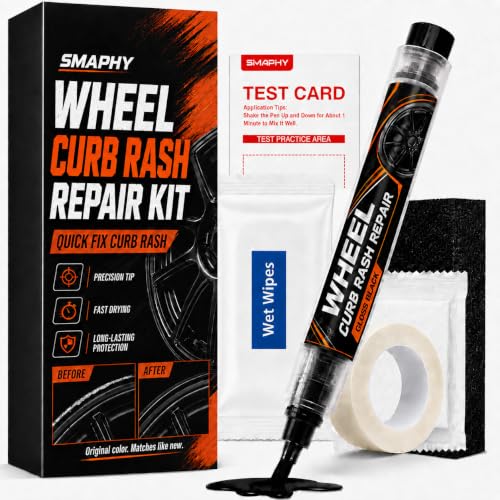
To follow this guide effectively, you will need a reliable jack and jack stands, a bearing packer tool (or clean nitrile gloves), high-quality wheel bearing grease, and non-chlorinated brake cleaner. It is also wise to consult our guide on refinishing if you are removing wheels as part of your maintenance cycle.
Target Audience and Skill Level
This tutorial is intended for those capable of removing a wheel hub or spindle assembly. If you are a novice, ensure you have a factory service manual specific to your vehicle model to verify torque specifications for your wheel nuts and spindle retaining nuts.
Core Concepts & Fundamentals

Grease Chemistry and NLGI Grades
Wheel bearing grease acts as both a lubricant and a seal. The most critical metric is the NLGI (National Lubricating Grease Institute) grade, with GC-LB being the industry standard for automotive wheel bearings. Understanding the thickener type—such as lithium complex or polyurea—is vital for thermal stability.
Thermal Management and Shear Stability
Bearings operate under extreme mechanical shear. A grease must maintain its viscosity under high load and high heat, especially during hard braking events. You can review our accessory recommendations to ensure you have the right equipment for these tasks.
| Feature | Correct Approach | Incorrect Approach |
|---|---|---|
| Application | Forced packing into rollers | Surface smearing |
| Fill Ratio | 30-50% cavity fill | 100% (leads to heat) |
| Compatibility | Flush old grease fully | Mixing different bases |
Step-by-Step Execution Guide

Preparation and Cleaning
Before any grease touches the metal, the bearing must be clinically clean. Residual old grease or metal filings will cause accelerated wear. Use a solvent wash and allow the components to air dry completely.
The Packing Process
Whether using a manual palm-pack method or a mechanical grease packer, the goal is to force grease through the bearing cage until it emerges from the opposite side. If you are also addressing cosmetic issues, remember that proper tools make the difference between a clean job and a mess.
Recommended Equipment & Solution

Timken GR224TUB Red High Temp Wheel Bearing
A reliable pick for Timken GR224TUB Red High Temp, selected based on this article's guidance.
Timken GR224TUB Red High Temp Wheel Bearing
A reliable pick for Timken GR224TUB Red High Temp, selected based on this article's guidance.
Best Practices & Pro Tips
Maintaining System Longevity
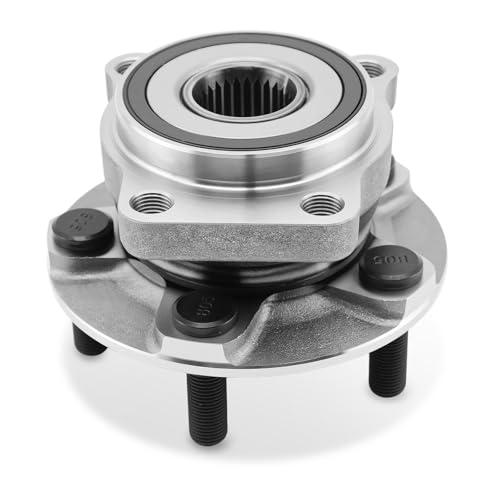
Always replace the grease seal whenever the hub is removed. A failing seal is the primary entry point for moisture and dirt, which will compromise even the best synthetic lubricants.
Thermal Monitoring
After a test drive, safely check the hub temperature. If it is excessively hot, you likely over-packed the cavity or the bearing preload is set too tight.
Troubleshooting & Common Pitfalls

Diagnosing Performance Issues
Common issues usually stem from incorrect preload or contamination. If you notice a growling sound, your bearings have likely already suffered damage and require replacement, not just new grease. Review our troubleshooting archives for further guidance on related wheel assembly issues.
Common Installation Errors
Over-greasing is a frequent mistake that leads to "churning," where the grease overheats and loses its lubricating properties. Less is often more, provided the bearing is fully packed.
Frequently Asked Questions
Can I mix different brands of wheel bearing grease?
A: Generally, avoid mixing different base chemistries, as the additives may react and cause the grease to liquefy or harden.
How often should I repack my bearings?
A: On average, perform this service every 25,000 to 30,000 miles, or whenever the brakes or hub assemblies are serviced.
Is there a difference between disc and drum brake grease?
A: Disc brakes generate much higher heat, requiring a grease with a higher dropping point, such as a high-temp synthetic.
What is a GC-LB rating?
A: This is an NLGI certification indicating the grease is suitable for both chassis (LB) and wheel bearing (GC) applications.
Do I really need a bearing packer tool?
A: While you can pack bearings by hand, a dedicated tool ensures more uniform distribution and reduced contamination risk.
What happens if I over-grease the hub?
A: Over-greasing causes internal churning and heat buildup, which can force grease past the seal and onto your braking components.
How do I know if the bearing is damaged?
A: If you feel roughness during rotation or see blue discoloration on the metal, the bearing has been compromised by heat or friction.
Is it necessary to replace the races?
A: Yes, always replace the race when replacing the bearing, as they are a matched set designed to wear together.
Key Takeaways
- 1 Always use GC-LB rated grease for automotive wheel bearings.
- 2 Never mix different types of thickeners or base oils.
- 3 The packing process must force grease through the internal cage.
- 4 Aim for a 30-50% fill to allow room for thermal expansion.
- 5 Always install new grease seals to prevent contamination.
- 6 Pitting or blue tinting are signs that the bearing must be replaced.
- 7 Consistent record-keeping helps you track service intervals effectively.
Conclusion
Mastering the application of wheel bearing grease is a hallmark of a diligent mechanic. By following these structured guidelines, you ensure that your vehicle remains safe and reliable under all driving conditions.
Remember that the quality of your preparation is just as important as the quality of the grease you choose. Patience during the cleaning and packing phase will always yield better results than rushing the process.
With the right tools and methodology, your wheel bearings will deliver miles of smooth, reliable service.
📌 Pillar Resource: Read our complete main The 10 Best Wheel Bearing Greases: An Expert's Guide & Reviews guide for in-depth insights.