Understanding What Are Alloy Wheels: Buyer Guide for 2026 Vehicle Upgrades Sizing & Specs Checklist is the first step toward optimizing your vehicle's handling, fuel efficiency, and aesthetic appeal.
This guide is designed for automotive enthusiasts and car owners looking to perform their own upgrades. We assume a basic familiarity with vehicle maintenance tools, but no prior experience in wheel customization is required to follow these instructions.
By the end of this guide, you will be able to interpret complex wheel specifications, verify compatibility with your vehicle's braking system, and execute a safe, professional-grade wheel upgrade.
- Understanding alloy material composition (Aluminum vs. Magnesium).
- Deciphering technical specs: Offset, PCD, and Center Bore.
- Safety precautions for handling heavy vehicle components.
- Step-by-step installation and torque specifications.
- Maintenance protocols for long-term wheel health.
Overview & Prerequisites
What You'll Need
Before beginning your upgrade, ensure you have a torque wrench, a deep-well socket set (preferably nylon-sleeved to protect finishes), a hydraulic floor jack, and four approved jack stands. Always verify your vehicle manufacturer's specific bolt pattern and hub-centric requirements.
Who This Guide Is For
This guide is intended for DIY enthusiasts who value precision. If you are preparing your vehicle, you may also find it useful to learn how to Remove grease and asphalt from aluminum wheels: The Ultimate Pro Guide before final installation.
Core Concepts & Fundamentals
Understanding Alloy Composition
Alloy wheels are typically cast from an aluminum-silicon alloy, providing a superior strength-to-weight ratio compared to traditional steel wheels. This reduction in unsprung weight improves suspension response and handling dynamics.
Deciphering Technical Specifications
Key specs include the PCD (Pitch Circle Diameter), Offset (ET), and Center Bore. A mismatch in these areas can lead to vibration or mechanical interference with brake calipers. If you encounter finish issues, refer to our guide on How to remove oxidation and haze from gloss black alloy wheels: Restore that showroom shine.
| Feature | Correct Approach | Incorrect Approach |
|---|---|---|
| Offset (ET) | Matches factory tolerance | Extreme poke causing rub |
| Center Bore | Hub-centric fit | Lugs carrying the load |
Step-by-Step Execution Guide
Preparation and Inspection
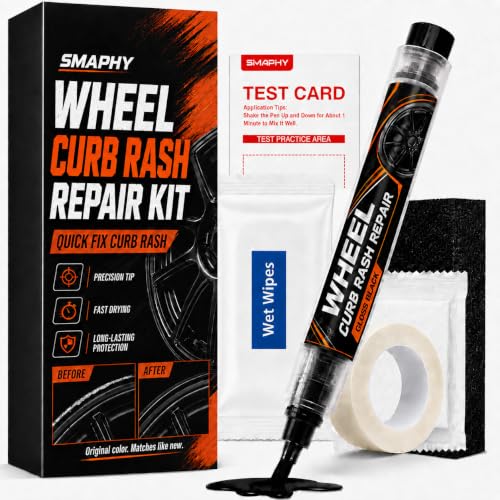
Begin by verifying the wheels against your vehicle's hub. Ensure no oxidation exists on the mounting surface, as this creates a false torque reading. For minor imperfections, check out Best Alloy Wheel Repair Kit: Fix Curb Rash at Home (2026) vs Alternatives.
Installation and Torque Sequence
Best Practices & Pro Tips
Maintaining Structural Integrity
Avoid harsh acidic cleaners that can strip protective clear coats. Always use pH-balanced solutions to preserve the finish during regular wash cycles.
Managing Long-Term Performance
Troubleshooting & Common Pitfalls
Identifying Vibration Issues
If you experience steering wheel wobble, it is often due to an imbalanced tire or a loose lug nut. If you see white buildup, see our guide: White powdery layer on alloy wheels, what is it and how to fix it fast.
Addressing Mounting Errors
Frequently Asked Questions
What are alloy wheels made of?
A: They are primarily aluminum-silicon alloys designed for lightweight strength.
Can I use stock lug nuts?
A: Only if the seat type (conical, ball, or flat) matches your new wheels perfectly.
What is offset?
A: Offset determines how far the wheel sits in or out relative to the fender.
Why do I need hub-centric rings?
A: They bridge the gap between a larger wheel bore and a smaller vehicle hub to prevent vibration.
Are alloy wheels stronger than steel?
A: Generally, they are lighter, but steel can be more impact-resistant in specific heavy-duty scenarios.
How often should I torque my wheels?
A: Check them after initial installation and again after the first 50 miles of road use.
Do alloy wheels corrode?
A: Yes, if the clear coat is scratched, road salt can cause oxidation.
Can I paint my alloy wheels?
A: Yes, provided you use high-temperature automotive paint and proper surface preparation.
Key Takeaways
- 1 Always verify PCD and Offset before purchase.
- 2 Use a torque wrench for every installation.
- 3 Never use an impact gun to seat lug nuts.
- 4 Hub-centric rings are mandatory for mixed-fitment setups.
- 5 Protect alloy finishes with pH-balanced cleaners.
- 6 Check your load rating against vehicle weight.
- 7 Re-torque wheels after initial break-in period.
Conclusion
Upgrading to alloy wheels significantly improves the driving dynamics and visual impact of your 2026 vehicle. By respecting the technical requirements of fitment and maintaining proper torque protocols, you ensure safety and longevity.
Remember that professional installation is always a safe alternative if you are unsure about any step of the process. For ongoing care, revisit our resource on Is it possible to restore silver rims? A DIY Guide to Bringing Back the Shine.
Take your time with the measurements, as precision is the hallmark of a successful professional-grade vehicle upgrade.
📌 Pillar Resource: Read our complete our What Are Alloy Wheels: Buyer Guide for 2026 Vehicle Upgrades resource for in-depth insights.