Navigating the hubcap vs wheel cover landscape is essential for any car owner looking to enhance their vehicle's exterior, and this guide provides 10 expert tips to help you choose the right protection for your rims.
While the terms are often used interchangeably, understanding their structural differences ensures you purchase components that actually fit your vehicle. Following these tips will save you money and protect your wheel assembly from road debris and corrosion.
Tip 1: Identify Your Wheel Type

Know Your Rim Composition
Before purchasing, determine if you have steel wheels or alloy rims. Many accessories are designed specifically for steel wheels and will not mount correctly on alloy alternatives.
Check Your Owner’s Manual
Always verify the manufacturer's specifications. Using the wrong size or attachment method can result in a lost cover while driving, which poses a safety risk to other motorists.
Tip 2: Hubcap vs Wheel Cover Definition

Clarifying the Terminology
Technically, a hubcap covers only the center of the wheel, while a wheel cover conceals the entire rim. Understanding this Normal Wheel vs Alloy Wheel: Which Upgrade Suits You? distinction helps when searching online retailers.
Why Clarity Matters
Using precise terminology prevents ordering errors. Many vendors use the labels synonymously, so check the product image carefully to see how much of the wheel is actually covered.
Tip 3: Assessing Durability

Material Stress Factors
Plastic covers are prone to cracking in extreme temperatures, whereas metal hubcaps may dent or rust. Evaluate your local climate before making a final purchase.
Road Condition Awareness
If you frequent uneven roads, ensure the mounting clips are reinforced. Lightweight materials may vibrate loose over time.
Look for ABS plastic with high heat resistance to ensure your covers survive the friction generated by brake systems during heavy use.
Tip 4: Correct Sizing Methods

Reading Your Tire Wall
The size you need is determined by the tire sidewall number, typically found after the "R" (e.g., R15 means a 15-inch wheel). Never guess your wheel size based on visual appearance alone.
Table: Size Comparison
| Feature | Hubcap | Wheel Cover |
|---|---|---|
| Coverage | Center Hub Only | Full Wheel Rim |
| Primary Use | Steel Wheels | Standard Steel |
| Replacement | Simple Snap-on | Clips/Lug Nuts |
Recommended Equipment & Solution
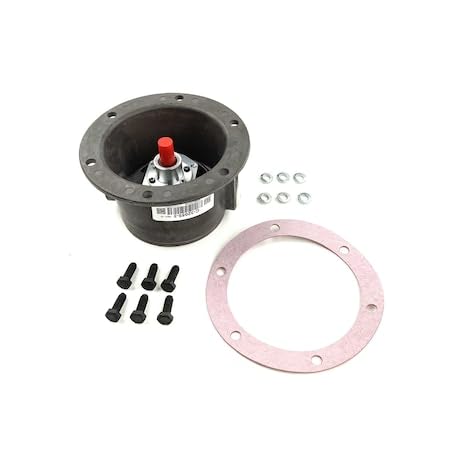
Hendrickson Vs-32055-3 - Tiremaax Hubcap, Greese, Pro
A reliable pick for Hendrickson Vs-32055-3 - Tiremaax Hubcap, selected based on this article's guidance.

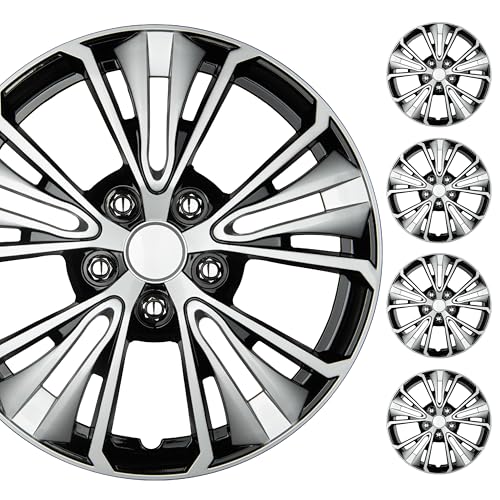
16 inch Hubcaps ABS Replacement for Steel
A reliable pick for 16 inch Hubcaps ABS Replacement, selected based on this article's guidance.
Tip 5: Material Considerations
Balancing Weight and Look
Choose materials that complement your vehicle’s aesthetic. If you are interested in a more custom look, you might consider how How to paint alloy wheels black can modernize your vehicle's overall appearance without buying new covers.
Maintenance Requirements
Chrome-finished covers require more frequent cleaning to prevent pitting, while matte plastic finishes hide road dust and scratches much more effectively.
Tip 6: Aesthetic Upgrades
Choosing the Right Design
A hubcap vs wheel cover choice significantly changes your car's profile. Open-spoke designs mimic the look of expensive alloy wheels, while closed designs offer a cleaner, minimalist aesthetic.
Consistency is Key
Always replace all four covers at once to ensure a uniform appearance. Mixing styles can make a vehicle look neglected or poorly maintained.
Avoid using low-quality adhesive decals to "upgrade" your covers, as they rarely withstand high speeds and can become dangerous road debris.
Tip 7: Installation Best Practices
The Three-Step Secure Mount
Tip 8: Maintenance Routines
Periodic Cleaning
Road grime buildup can cause imbalance or harbor moisture that leads to corrosion. Use a Home made alloy wheel cleaner recipe to keep the underlying rims pristine during your regular washing routine.
Inspection Schedule
Check the integrity of your mounting hardware every time you rotate your tires. If a clip appears loose or damaged, address it immediately to prevent losing the cover.
Tip 9: Performance Impact
Aerodynamics and Cooling
Some hubcaps vs wheel covers are designed to improve aerodynamics, while others prioritize brake cooling. If you drive aggressively, choose covers with vents to prevent brake fade.
Weight Distribution
While minimal, heavy aftermarket covers can influence unsprung weight. For most daily drivers, the impact is negligible, but it is worth noting for performance enthusiasts.
Properly installed full-face covers can actually protect your wheel bolts and brake components from salt and heavy moisture, extending their lifespan.
Tip 10: Replacement Strategies
Finding Exact Matches
If you lose one cover, check the part number stamped on the back of the remaining ones. This is the only way to ensure the new piece matches the existing set perfectly.
Salvage vs New
In many cases, purchasing a single used cover from an auto salvage yard is more cost-effective than buying a full aftermarket set that may not perfectly match your existing style.
Common Mistakes to Avoid
Frequently Asked Questions
Can I use hubcaps on alloy wheels?
A: Generally, no. Alloy wheels are designed with unique spoke shapes that rarely accommodate standard snap-on hubcaps.
Do wheel covers improve gas mileage?
A: In some cases, aerodynamically designed covers can offer a minor reduction in drag, though the impact is usually minimal for daily driving.
Why did my wheel cover fall off?
A: This is usually due to broken tension rings or worn-out plastic clips that no longer hold the rim tightly.
Are hubcaps universal?
A: No, they are specific to the diameter of your wheel and the specific design of your steel rim.
How do I clean my wheel covers?
A: Use mild soap and water with a soft brush; avoid harsh chemicals that can strip the finish or cause the plastic to become brittle.
Should I remove my covers in winter?
A: If you live in an area with heavy snow, some drivers remove them to prevent salt from getting trapped between the cover and the rim.
Can I paint my old hubcaps?
A: Yes, using a high-quality plastic-bonding spray paint can restore the look of aged or faded wheel covers effectively.
Is there a weight difference?
A: Plastic covers are lightweight, but heavy aftermarket metal covers can slightly affect the balance if they are not installed correctly.
Key Takeaways
- 1 Always verify your tire size from the sidewall before purchasing.
- 2 Distinguish between small center hubcaps and full wheel covers.
- 3 Ensure proper valve stem alignment during installation.
- 4 Regularly inspect clips and mounting hardware for wear.
- 5 Choose materials based on your local climate and road conditions.
- 6 Replace all four covers simultaneously for visual consistency.
- 7 Use correct cleaning methods to maintain the finish and structural integrity.
Summary
Choosing between a hubcap vs wheel cover is a matter of both personal style and mechanical compatibility. By paying attention to sizing, material quality, and proper installation techniques, you can keep your vehicle looking sharp while protecting your wheels from environmental wear.
Remember that consistent maintenance is the best way to prevent the common issue of lost or damaged accessories. For deeper insights into vehicle maintenance, review our guide on Best Alloy Wheel Vs Normal Wheels (2026).
Taking the time to source the right accessories ensures your vehicle remains both safe and visually appealing for years to come.