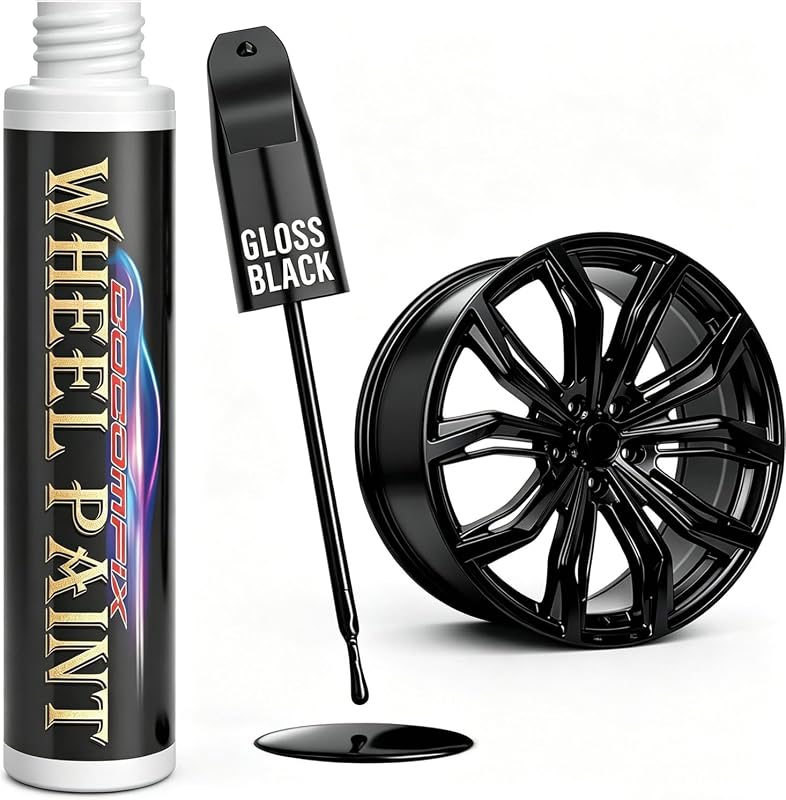
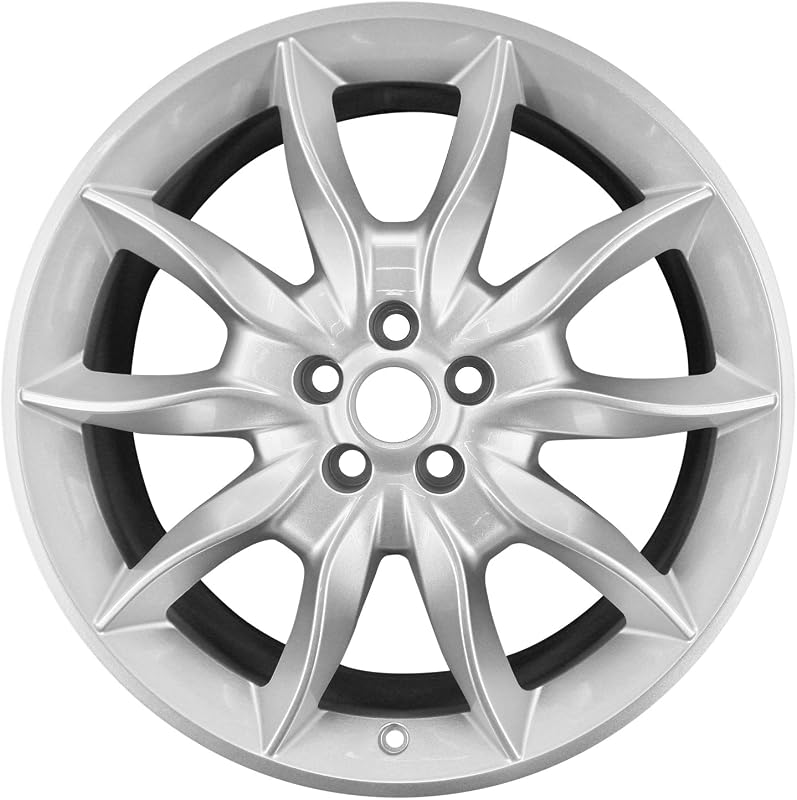
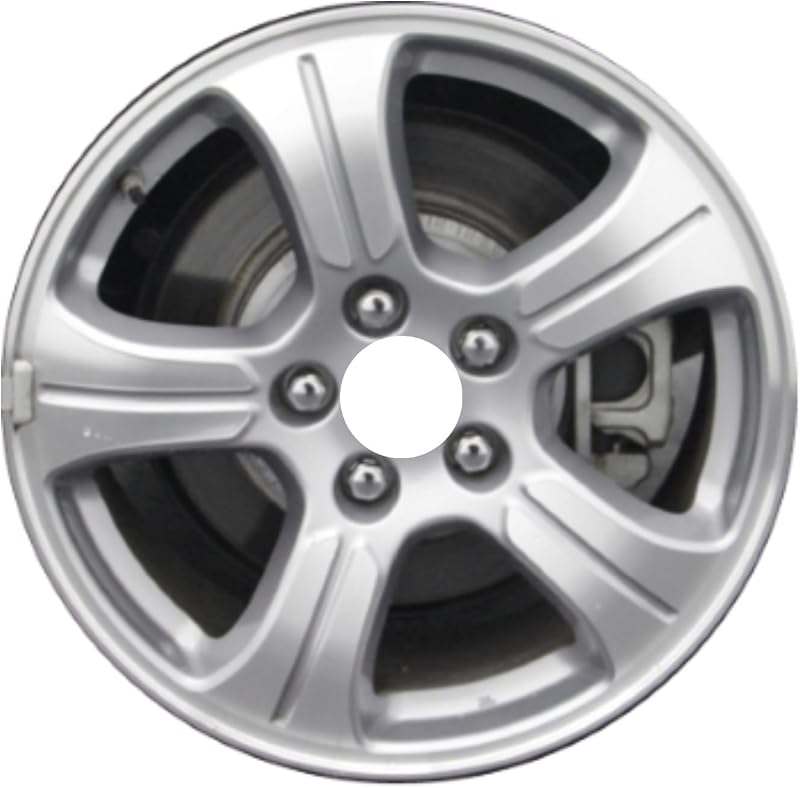
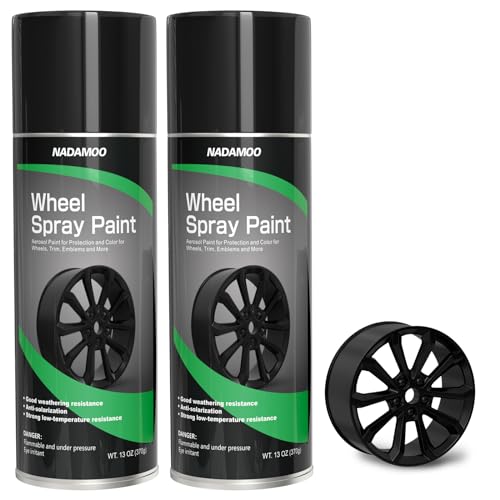
How to Clean Mag Wheels: 6 Top Cleaners Tested & Reviewed vs Alternatives is the essential starting point for any enthusiast deciding between specialized chemical agents and natural cleaning methods. Whether you drive a luxury sedan or a track-ready machine, the maintenance of your rims is critical for long-term protection.
Many owners find themselves stuck between the convenience of commercial spray-and-wipe cleaners and the cost-effective, controlled approach of home-brewed solutions. Misunderstanding the chemical composition of your wheel finish often leads to premature oxidation or protective coating damage.
This guide evaluates the performance, safety, and logistical trade-offs of both approaches. By the end of this article, you will have a clear decision-making framework to select the maintenance routine that best preserves your alloy wheels.
- Chemical safety and finish compatibility
- Ease of application vs. manual effort
- Long-term impact on protective clear coats
- Total cost-per-cleaning analysis
- Effectiveness on stubborn brake dust and road grime
Overview & Head-to-Head Summary

Specialized Commercial Cleaners
Commercial wheel cleaners are formulated with specific surfactants and pH-balanced agents designed to break down metallic brake dust quickly. They often include color-changing technology that signals when the chemical reaction with contaminants is complete.
DIY Natural & Mild Alternatives
Alternative cleaning methods typically rely on household items like diluted dish soap, vinegar-based solutions, or specialized soft brushes. These methods prioritize surface safety and lower toxicity over aggressive cleaning speed.
| Dimension | Commercial Cleaners | DIY Alternatives |
|---|---|---|
| Action Speed | Very Fast | Slow/Manual |
| pH Balance | Variable (High/Low) | Neutral/Mild |
| Cost | Moderate to High | Low |
| Surface Safety | Requires Matching | Generally Safe |
Before selecting a method, ensure you understand your wheel finish. If you are unsure, check Best Light Alloy Wheels: High-Performance Factory Replacements to determine if your finish requires specific care instructions.
Key Differences & Core Features

Chemical Complexity and Reactivity
Commercial cleaners utilize potent solvents to strip away stubborn grime without heavy scrubbing. However, if used on the wrong finish—such as raw aluminum vs. powder-coated alloy—these chemicals can cause etching. DIY alternatives are generally inert, meaning they rely on mechanical agitation (scrubbing) rather than chemical reaction.
Long-Term Finish Preservation
Frequent use of acidic commercial cleaners can degrade ceramic coatings or wax layers on your rims. By contrast, mild homemade solutions are safer for your clear coat, preserving the aesthetic longevity of your Best Touch Up Paint For Alloy Wheels Kit: Top 5 Picks.
| Feature | Commercial Agents | Natural/Alternative |
|---|---|---|
| Heavy Grime Removal | Excellent | Poor/Moderate |
| Ease of Use | Simple Spray | Labor Intensive |
| Environmental Impact | High | Low |
| Risk of Damage | Higher (If improper) | Negligible |
Performance & Real-World Analysis

Testing Against Brake Dust
In high-heat environments, brake dust fuses to the wheel surface. Commercial cleaners are designed to lift these particles, whereas soap and water often leave a residue behind, necessitating additional protection like that found in Top 5 Must-Have Accessories for How to Paint Aluminum Alloy Wheels.
Efficiency in Daily Maintenance
For vehicles that are cleaned weekly, aggressive chemicals are often overkill. The mechanical performance of a soft brush combined with a mild soap is usually sufficient to maintain a factory shine.
Successful wheel maintenance combines the right chemical for heavy duty tasks and the right tools for routine care.
Best Use Cases & Ideal Scenarios

When Option A (Commercial Cleaners) Makes More Sense
Commercial cleaners are best for heavy-duty restoration or for high-performance vehicles that accumulate thick layers of metallic brake dust quickly. If you are preparing for a show or cleaning neglectfully maintained rims, these products save significant time and manual labor.
When Option B (DIY Alternatives) Makes More Sense
These methods are perfect for regular, light maintenance. If your wheels are well-protected with a sealant or ceramic coat, there is no need for harsh chemicals, and keeping them clean through gentle soap and water is both safer and more economical.
When It Genuinely Doesn't Matter
For standard steel wheels or painted rims that are purely utilitarian, the difference in cleaners is negligible. In these cases, consistency of cleaning frequency matters more than the specific product selected.
Final Verdict & Decision Framework

Quick Decision Checklist
Ask yourself: How much time can I commit per week? If you have 30 minutes, go with DIY. If you have 5 minutes before your car looks dirty again, go with a high-quality commercial cleaner. Also, evaluate if your wheels have a delicate finish that requires pH-balanced products.
Our Framework for Choosing
| Your Goal | Recommended Strategy |
|---|---|
| Deep Cleaning/Restoration | Commercial Cleaner |
| Budget Conscious/Regular Wash | DIY Alternative |
| Finish Preservation | Neutral DIY + Sealer |
Frequently Asked Questions
Are household dish soaps safe for alloy wheels?
A: In general, mild, non-degreasing dish soaps are safe for regular maintenance. However, they may strip away waxes or sealants over time if used in high concentrations.
Can I use acid-based cleaners on all wheels?
A: No, acid-based cleaners are often too harsh for polished or chrome wheels and can lead to permanent dulling. Always check the manufacturer's recommendation for your specific wheel material.
How often should I clean my wheels to prevent buildup?
A: Ideally, wash your wheels every two weeks. Regular maintenance prevents brake dust from baking onto the surface, which is the main cause of long-term damage.
Does a color-changing cleaner indicate better quality?
A: It indicates the presence of iron-dissolving chemicals. While effective, it does not necessarily mean the product is superior for all types of dirt; it is a feature designed specifically for metallic brake dust.
Can I polish my wheels after using these cleaners?
A: Yes, but ensure the wheels are completely clean and dry first. Polishing is a great step to restore shine after deep cleaning with a commercial agent.
Are professional wheel brushes necessary?
A: They are recommended as they are designed to reach inner barrels without scratching. Microfiber brushes are particularly safe for high-end alloy finishes.
Why do my wheels look dull after using a cleaner?
A: You may have used a cleaner that is too acidic, or you failed to rinse it off completely. Ensure you neutralize the cleaner with plenty of water and follow up with a protective wax.
Are there eco-friendly alternatives that actually work?
A: Yes, many plant-based, pH-balanced wheel cleaners are now available that perform as well as traditional solvents. These are a great middle-ground for the environmentally conscious owner.
Key Takeaways
- 1 Commercial cleaners are best for heavy, caked-on brake dust.
- 2 DIY methods are safer for frequent, light maintenance.
- 3 Always identify your wheel finish before selecting a chemical cleaner.
- 4 Regular cleaning prevents the need for aggressive, potentially damaging agents.
- 5 Soft brushes are critical for preventing permanent micro-scratches.
- 6 Rinse thoroughly to prevent chemical streaks and residue buildup.
- 7 Apply a sealant after cleaning to make future maintenance significantly easier.
Conclusion
Choosing between commercial cleaners and DIY alternatives is ultimately a trade-off between convenience and risk. If your goal is to maintain your investment, a balanced approach—using gentle soaps for regular care and saving potent cleaners for deep cleans—is the gold standard.
For those looking to improve their wheel maintenance routine, consider exploring additional resources like How to Paint Aluminum Alloy Wheels: Best Kits, Simple Steps, and Pro Tips (2025) Complete Specifications, Sizing & Features to learn about how protective paints and finishes react to cleaning products.
Effective wheel care is less about the product itself and more about the consistency and safety of your process.
📌 Pillar Resource: Read our complete complete How to Clean Mag Wheels: 6 Top Cleaners Tested & Reviewed review for in-depth insights.