Learning how to setup & use 10 best alloy wheel rim cleaners for 2025 is an essential skill for any enthusiast looking to preserve the finish and structural integrity of their vehicle's wheels.
This guide is designed for automotive owners who want to achieve professional results at home. We assume you have basic knowledge of car washing, but we will provide the technical nuances required to handle modern chemical-based cleaners safely and effectively.
By the end of this guide, you will be able to select the appropriate cleaner for your specific wheel finish, apply it using industrial-standard methods, and maintain a protected surface that resists brake dust buildup.
- Understanding chemical dwell times for different rim coatings.
- Selecting tools that prevent micro-scratching on sensitive alloys.
- Proper rinsing techniques to avoid spot contamination.
- Safety protocols for handling reactive wheel-cleaning agents.
- Methods for protecting wheels post-cleaning for easier maintenance.
Overview & Prerequisites

Required Tools and Equipment
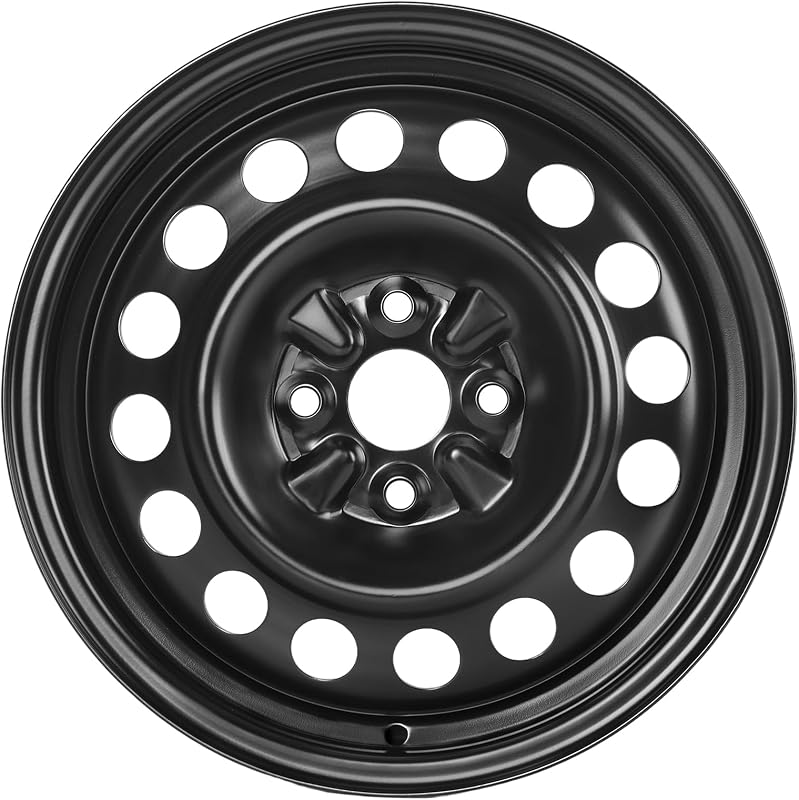
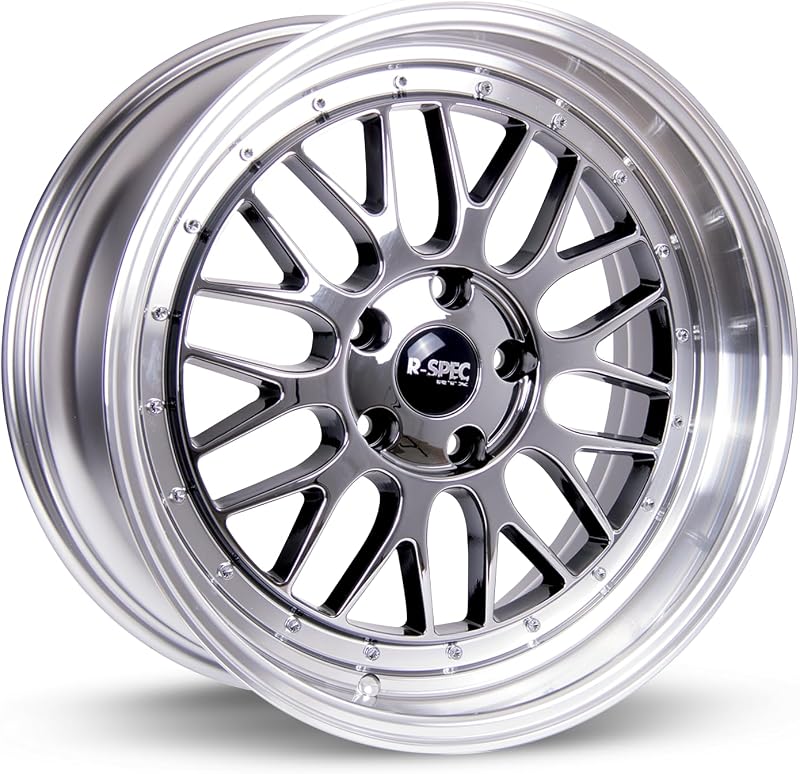
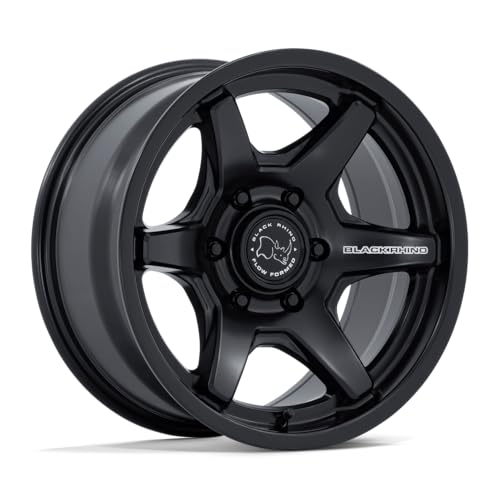
To perform a thorough cleaning, you need a collection of soft-bristled brushes, high-quality microfiber towels, and a dedicated wheel cleaner. Ensure your workspace is shaded, as heat can cause chemicals to dry prematurely, leading to spotting. Before starting, check your Aluminum Vs Alloy Rims: Finding the Right Upgrade for 2026 to understand your specific metal composition.
Defining Success for Alloy Maintenance
Success is defined by the complete removal of iron deposits and road grime without damaging the clear coat or painted surface. Establishing a consistent schedule is the most important prerequisite; deep cleaning only once a year is significantly harder than maintaining a weekly rinse and bi-weekly chemical treatment.
Tip: Always test your chosen wheel cleaner on a small, inconspicuous area of the inner barrel before applying it to the entire face of the wheel to check for adverse chemical reactions.
Core Concepts & Fundamentals

Chemical Dwell Time and Activation
Most high-performance cleaners use color-changing technology to indicate iron dissolution. The chemistry requires time to react; "dwell time" is the duration the product sits on the surface. If you rinse too early, you lose the chemical benefit. If you wait too long, the cleaner may etch delicate finishes.
pH Neutrality vs. Acidic Formulas
Understanding the pH scale is critical when choosing your cleaner. Acidic cleaners work rapidly on heavy grime but can harm specialized powder coatings. If you are curious about the longevity of your finish, our guide on Finding the Best Toughest Powder Coat For Wheels offers great insights into which coatings pair best with standard cleaning regimens.
| Concept | Incorrect Approach | Correct Approach |
|---|---|---|
| Application | Spraying in direct sun | Spraying in cool, shaded area |
| Agitation | Using stiff wire brushes | Using soft-bristled synthetic brushes |
| Rinsing | Minimal, partial rinse | High-pressure, thorough rinse |
Step-by-Step Execution Guide

The Preparation Phase
Begin by rinsing the wheels thoroughly with water to remove loose debris. This reduces the risk of scratching the rim during the manual agitation process. Ensure the tires are also rinsed to prevent debris from transferring onto the wheel surface.
The Cleaning and Protection Phase
Recommended Equipment & Solution
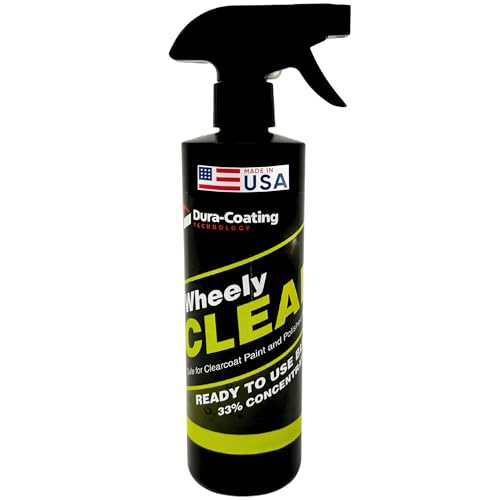
DURA-COATING TECHNOLOGY Wheely Clean - Professional Wheel
A reliable pick for DURA-COATING TECHNOLOGY Wheely Clean, selected based on this article's guidance.
Best Practices & Pro Tips

Maintaining Long-Term Rim Health
After cleaning, apply a wheel-specific sealant or ceramic spray. This creates a sacrificial layer that prevents future brake dust from bonding to the metal. This makes your next cleaning session significantly faster and prevents the need for harsh chemicals.
Optimization of Equipment
Troubleshooting & Common Pitfalls

Addressing Chemical Streaking
If you encounter streaking, it is often due to the cleaner drying on the surface. Re-wet the area, lightly agitate, and rinse again. If the streaks persist, a specialized paint cleanser or a very mild polish may be required to restore clarity.
Handling Stubborn Deposits
If brake dust remains after cleaning, do not simply apply more cleaner. Consider using an iron fallout remover or a synthetic clay bar. For deeper issues, read our insights on 10 Best Alloy Wheel Rim Cleaners for 2025 vs Top Competitors to see if your product choice is truly optimal for the level of contamination you are facing.
Frequently Asked Questions
How often should I clean my alloy wheels?
A: For daily drivers, cleaning every two weeks is ideal to prevent brake dust from etching the clear coat.
Can I use household cleaners for wheels?
A: It is generally recommended to avoid household cleaners, as they may be too acidic or alkaline for alloy finishes.
Is it safe to clean wheels while they are hot?
A: No, you should always wait for the wheels to cool down to avoid chemical burning and spotting.
What should I do if the wheel cleaner changes color?
A: That is a normal sign of the chemical reacting with iron particles; it means the product is working correctly.
Do I need to wax my wheels after cleaning?
A: Yes, applying a sealant or wax helps protect the alloy and makes future cleaning much easier.
Can I use the same brush for the paint and the wheels?
A: Never use the same brush; wheels carry abrasive metallic dust that will ruin your car's paint.
What if my alloy wheels are painted or powder coated?
A: Use only pH-neutral cleaners specifically labeled as safe for all wheel types to avoid damage.
How do I remove deep scratches?
A: Small scratches can often be buffed out, but deeper damage may require a professional touch-up or refinishing process.
Key Takeaways
- 1 Always cool the wheels before starting the cleaning process.
- 2 Match your cleaner's chemical strength to the wheel finish type.
- 3 Use specialized brushes to reach deep into the wheel barrel.
- 4 Never allow cleaning chemicals to air-dry on the wheel surface.
- 5 Consistent maintenance prevents permanent etching from brake dust.
- 6 Protection layers like wax significantly extend the wheel's lifespan.
- 7 Separate your tools by surface to avoid cross-contamination.
Conclusion
Mastering how to setup & use 10 best alloy wheel rim cleaners for 2025 is more about technique and timing than buying the most expensive product on the shelf. By prioritizing safety, cooling your wheels, and following a consistent maintenance schedule, you can keep your rims pristine for years.
Remember that the best care is preventative. By keeping the surface sealed and clear of bonded iron, you preserve the structural and aesthetic value of your wheels, ensuring they remain an asset rather than a liability to your vehicle's look.
A clean set of wheels is the defining detail that elevates a car from ordinary to exceptional; start your professional-grade routine today. For more advanced maintenance, visit Top 5 Must-Have Accessories for Best Alloy Wheel Paints 2026.
📌 Pillar Resource: Read our complete main 10 Best Alloy Wheel Rim Cleaners for 2025 guide for in-depth insights.