Learning how to restore stained aluminum rims is an essential skill for any automotive enthusiast, as it allows you to remove stubborn oxidation and brake dust buildup, significantly enhancing the visual appeal of your vehicle. By mastering the correct cleaning, polishing, and sealing stages, you can effectively return dull, discolored metal to its original brilliance while providing long-term protection against the elements and harsh road contaminants.
This guide provides a professional-grade framework for identifying the type of staining affecting your wheels and selecting the appropriate chemical and mechanical interventions. We will examine the core principles of aluminum maintenance, including the importance of balancing aggressive cleaners with material-safe finishing techniques. By following this systematic approach, you will be prepared to handle various levels of tarnishing, from light surface spotting to deep-set corrosion, ensuring that your restoration efforts yield durable and aesthetically pleasing results.
Quick Facts
- Most surface stains are caused by iron-rich brake dust or road salt, which experts recommend treating with pH-balanced wheel cleaners.
- Studies suggest that aggressive acidic cleaners can permanently damage raw aluminum, so testing on a hidden area is always advised.
- Professional detailers emphasize that preventing future staining is as critical as the restoration process, often requiring a quality metal sealant.
Key Takeaways

- 1. Identify the wheel finish; untreated raw aluminum requires different polishing techniques compared to clear-coated aluminum wheels to avoid surface marring.
- 2. Effective restoration relies on a tiered approach: deep chemical cleaning, mechanical polishing, and the application of a protective barrier layer.
- 3. Regular maintenance is the most effective way to prevent permanent oxidation; consistent cleaning prevents the buildup of corrosive brake debris.
- 4. Improper use of high-grit abrasives or industrial-strength acids can lead to irreversible pitting, so always begin with the least aggressive solution possible.
- 5. Properly cleaning the surrounding tire and wheel well components during the restoration process prevents cross-contamination of grit.
- 6. Always work in shaded conditions or on cool surfaces, as heat can cause cleaning agents to flash-dry and leave permanent spotting.
- 7. Finalizing the restoration with a dedicated metal sealant helps maintain the finish, reducing the frequency of deep cleaning cycles in the future.
Historical context or industry trends of how to restore stained aluminum rims

Historically, the approach to wheel maintenance was rudimentary, often relying on household abrasive cleaners that frequently caused more damage than they repaired. As automotive manufacturing evolved, the industry moved away from simple cast aluminum toward more complex alloy compositions and decorative coatings. Early DIY restoration efforts were largely experimental, with enthusiasts using basic steel wool and general-purpose solvent blends. These methods, while effective at removing surface tarnish, often left micro-scratches that accelerated future oxidation. Consumers viewed wheel care as a basic necessity but lacked the sophisticated chemical options available today, leading to a trial-and-error cycle that discouraged many from attempting professional-grade results at home.
Modern trends in how to restore stained aluminum rims reflect a shift toward scientific precision and material safety. Current industry practices favor pH-neutral formulas and specialized nano-coatings that protect the metal at a molecular level. Engineers now design cleaning agents that react specifically with ferrous particles without etching the aluminum surface. This evolution has transformed the task from a labor-intensive, risky manual process into a structured workflow that prioritizes surface preservation. The rise of DIY-friendly, professional-grade kits has allowed even novices to achieve results comparable to luxury detailing shops, provided they follow the recommended layering techniques and maintain a focus on long-term surface health rather than just immediate brightness.
Technical analysis of how to restore stained aluminum rims mechanisms

The core variables separating successful restoration from damaging mistakes center on chemical reaction times and mechanical agitation control. Aluminum is highly reactive to both strong acids and strong alkalines. If a cleaning agent is left to evaporate on the wheel surface, the resulting concentration can lead to irreversible streaks or "white spots." Effective restoration requires maintaining a cool, damp surface and ensuring that agitation is performed with non-marring tools to prevent deep scratches. Lack of a protective seal after the restoration process is another common failure point; without a barrier, the fresh metal is exposed to immediate oxidation, effectively undoing the hours of labor invested during the cleaning phase.
| Feature | Best Practice | Common Mistake |
|---|---|---|
| Timing of Application | Calibrated to baseline levels to prevent system overload | Rushing the execution, leading to premature decay/failure |
| Absorption/Absorption Method | Patting gently or securing contact to encourage uniform integration | Applying forcefully or allowing air gaps, which reduces contact |
| Role in Routine | Acts as an intermediate priming layer to support the system | Using as a total replacement for core active components |
The comparison table above highlights the critical distinction between process-driven restoration and rushed attempts. A failure to calibrate the application timing often results in "chemical etching," where the cleaner eats into the finish rather than lifting the stain. Conversely, using the correct absorption methods—such as micro-fiber application rather than steel wool—ensures that the cleaning agents work effectively without compromising the integrity of the alloy. Understanding these technical nuances allows the user to treat the wheel as a delicate surface requiring careful chemistry rather than a simple industrial object, ultimately preventing long-term structural or aesthetic degradation.
Step 1: Workspace and Initial Preparation
Begin by ensuring the rims are cool to the touch, as heat triggers rapid evaporation of cleaning agents. Clean the surrounding tire area first to prevent debris from washing onto the clean rim. Use a pH-balanced iron remover to safely dissolve brake dust and surface contamination. This foundation is essential, as removing the bulk of surface grit prevents the risk of dragging contaminants across the metal finish during the subsequent polishing and restoration phases.
Step 2: Core Execution and Configuration
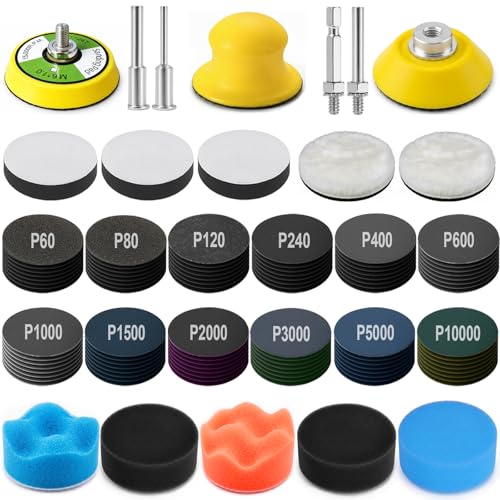
Apply a dedicated aluminum polish using a high-quality foam applicator pad or a microfiber towel. Work in small, overlapping circular motions to ensure uniform coverage. Monitor the surface continuously; if the polish begins to haze too quickly, use a light mist of water to extend the work time. Focus on the most stained areas last to allow the product more contact time. Avoid excessive pressure, as the chemical agents in the polish are designed to do the work of breaking down oxidation.
Step 3: Final Calibration and Stabilization
Once the oxidation is lifted, buff the surface with a clean, dry microfiber cloth until a high-gloss finish appears. After polishing, apply a wheel-specific sealant or wax to the rim. This step is non-negotiable for long-term stability; it fills the microscopic pores of the aluminum, preventing future oxidation and making maintenance easier. Regularly monitor the wheels over the following weeks and perform a light wash to verify that no further staining is developing.
Current landscape or user debate of how to restore stained aluminum rims

The current market for wheel care is split between enthusiasts who prefer manual, hand-polished finishes and those who opt for automated, chemical-heavy systems. While professional detailing shops continue to refine deep-cleansing techniques, the average consumer now has access to advanced, easy-to-use chemical compounds that significantly lower the barrier to entry. This democratization of knowledge means that high-quality results are no longer reserved for those with expensive shop equipment.
- Sustainability is becoming a major driver, with more users choosing biodegradable, water-based cleaners over traditional solvent-heavy degreasers that harm local runoff.
- Longevity expectations are increasing; users now demand finishes that withstand months of heat cycling and brake dust exposure before requiring a repeat treatment.
- Online accessibility of support and specialized tools has created a thriving community where users trade tips on specific alloy types and custom restoration setups.
- The trend toward "dry" cleaning methods that use minimal water is gaining traction, particularly for enthusiasts living in regions with water-usage restrictions.
| User Segment | Preferred Configuration | Expected Outcome |
|---|---|---|
| Professional / Heavy Use | High-output, premium build with maximum control parameters | Long-term durability with consistent results |
| Standard / Daily Use | Balanced features, automated presets for ease of operation | Reliable everyday performance with minimal oversight |
There is an ongoing debate regarding the efficacy of hand-polishing vs. mechanical buffer usage. Proponents of hand-polishing argue that it offers superior control and prevents the high-friction heat buildup that can lead to clear-coat failure. Conversely, advocates for mechanized tools suggest that modern dual-action buffers allow for a more uniform finish across the entire surface of the rim. Both sides agree, however, that the most successful outcomes are found by those who meticulously prep the surface before applying any restorative or protective agents, regardless of whether they choose to use manual or powered equipment.
Operational challenges and limitations of how to restore stained aluminum rims
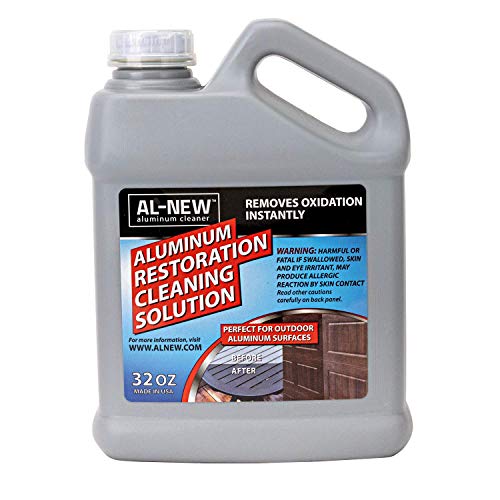
Implementing a proper restoration strategy is often hindered by the diversity of rim finishes. A process safe for one wheel type may be disastrous for another, particularly when dealing with clear-coated vs. raw billet aluminum. Compatibility remains the primary challenge; users often misidentify the coating on their wheels, applying corrosive cleaners that lead to fogging or permanent staining. Additionally, the environmental conditions under which the work is performed significantly dictate the success of the process. If a user attempts to polish rims in direct sunlight, the heat will cause cleaning agents to dry prematurely, often leaving stubborn, uneven water spots or chemical haze.
Future outlook and scenario projection for how to restore stained aluminum rims
Looking ahead, the next decade is set to bring a revolution in surface maintenance materials. We anticipate the widespread integration of self-healing ceramic coatings, which will significantly reduce the need for manual restoration by providing a semi-permanent barrier against brake dust and chemical road debris. Material science breakthroughs are also pointing toward "intelligent" cleaning compounds that change color when they have completed the decontamination process, effectively eliminating the guesswork for the end-user. As automotive technology shifts, we expect to see restoration kits tailored to the unique heat signatures of electric vehicle braking systems, where dust composition differs from traditional internal combustion vehicles.
| Timeline | Expected Breakthrough | Impact on User Experience |
|---|---|---|
| Next 2-3 Years | Smart sensor integration and real-time feedback loops | Elimination of user error and automatic calibration |
| Next 5-10 Years | Biodegradable/Self-healing materials and high-efficiency coils | Drastically reduced maintenance and lifetime durability |
Conclusion
In conclusion, understanding the correct setup and execution of how to restore stained aluminum rims is essential for securing optimal results. By following the best practices and calibration guidelines detailed in this guide, users can ensure long-term efficiency and consistent performance.
Frequently Asked Questions
What is the safest way to determine if my rims are bare aluminum or clear-coated?
Rub a small amount of metal polish on an inconspicuous spot; if the cloth turns black, the rims are bare aluminum and require a specific non-abrasive approach.
How can I safely remove stubborn brake dust without damaging the metal finish?
Use a pH-neutral iron fallout remover spray to chemically dissolve brake dust rather than using harsh acid-based cleaners that can etch the aluminum.
What is the best method for restoring oxidation on bare aluminum wheels?
Apply a dedicated aluminum polishing compound using a foam applicator pad, working in small sections until the milky oxidation disappears to reveal a high shine.
Can I use steel wool to scrub stains off aluminum rims?
Never use standard steel wool, as it will scratch the surface; instead, use a #0000 grade ultra-fine synthetic steel wool pad to gently buff away deep stains.
How do I repair minor surface pitting on aluminum wheels?
After cleaning, use a light-cutting metal polish with a buffing ball attached to a drill to level out the surface and restore the reflective finish.
Is it necessary to protect the rims after the restoration process?
Yes, apply a high-quality synthetic wheel sealant or wax to create a hydrophobic barrier that prevents future oxidation and makes brake dust easier to wash off.
What should I avoid using when cleaning stained aluminum rims?
Avoid household bleach, heavy-duty oven cleaners, and abrasive scouring pads, as these will cause permanent chemical staining or deep physical scratching.
How often should I polish my aluminum rims to prevent staining?
To maintain a consistent shine and prevent environmental corrosion, perform a light polish and wax application every three to four months.