Properly packed wheel bearings are critical for safe, smooth trailer or vehicle operation. Neglecting this task can lead to bearing failure, wheel wobble, or even a catastrophic detachment. While it may seem simple, the correct technique ensures grease fully penetrates the bearing rollers and cage, eliminating dry spots that cause overheating. This guide covers everything from choosing the right grease to the hand-packing and repacking methods. Whether you’re a DIY mechanic or a seasoned pro, mastering how to pack wheel bearings will save you money, time, and roadside headaches. Follow these steps to keep your wheels rolling reliably for thousands of miles.
Key Takeaways
- 1. Always clean the hub, spindle, and bearings thoroughly with a dedicated parts solvent before any new grease is applied to remove old contaminants.
- 2. Select a high-quality, water-resistant wheel bearing grease that matches the manufacturer’s specification (NLGI #2 is standard for most automotive and trailer applications).
- 3. Pack the bearing by forcing grease into the cage from the wide side of the rollers using a bearing packer tool or the palm-packing method, ensuring grease fully surrounds every roller.
- 4. Apply a thin, even layer of grease to the inside of the hub cavity, the spindle surface, and the lip of the seal to prevent dry metal contact during initial rotation.
- 5. Tighten the spindle nut to the specific torque specification for the assembly, then back it off to the correct pre-load setting—never over-tighten, which can damage bearings and create excessive heat.
- 6. After assembly, spin the wheel by hand to check for smooth rotation and zero binding, then confirm the final end-play (typically 0.001–0.005 inches) with a dial indicator before installing the cotter pin.
Why Properly Packed Wheel Bearings Matter for Safety and Longevity

Properly packed wheel bearings are not merely a maintenance detail; they are a critical safety and longevity component for any vehicle with non-sealed hubs. When bearings are inadequately lubricated, the rolling elements and races operate under metal-on-metal contact. This generates excessive heat, leading to accelerated wear, pitting, and eventually catastrophic failure. A seized bearing at highway speeds can lock the wheel, causing a sudden loss of control. Conversely, a bearing packed with the correct type and amount of high-temperature wheel bearing grease operates within a hydrodynamic film, where the grease acts as a cushioning barrier against shock loads and corrosion.
From a longevity perspective, the process of hand packing is superior to simply slathering grease on the outside of the hub. Hand packing forces grease into the critical internal cage spaces between the rollers or balls, ensuring immediate lubrication upon rotation. This prevents the initial "dry start" that can score bearing surfaces. Furthermore, a correctly packed bearing distributes thermal load more effectively, reducing the risk of grease breakdown and leakage. It also prevents the ingress of moisture and road contaminants, which are primary causes of pitted bearing surfaces. In essence, investing the time to manually pack each bearing, as opposed to relying on a grease gun alone, extends service intervals dramatically and protects the integrity of the spindle and hub assembly. For fleet operators or off-road enthusiasts, this translates directly into reduced downtime and lower replacement costs, proving that a meticulous pack is a direct investment in both safety and operational efficiency.

Tools and Materials You’ll Need to Pack Wheel Bearings
Before you begin the process of packing wheel bearings, assembling the correct tools and materials is critical for a clean, effective, and safe job. Using the wrong grease or skipping a key tool can lead to premature bearing failure or even a dangerous wheel separation.
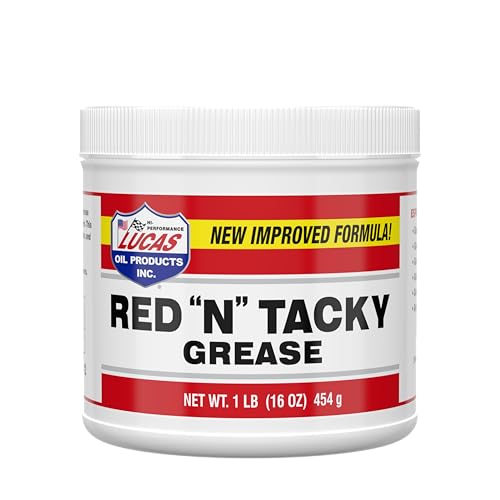
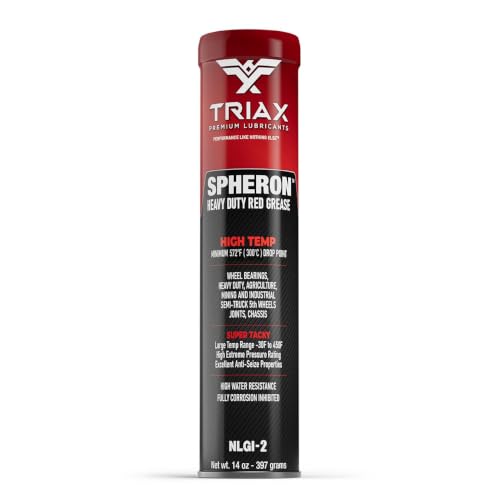
First, you’ll need the correct bearing grease. Never use general-purpose chassis grease or lithium-based greases; instead, choose a high-temperature, extreme-pressure (EP) grease specifically formulated for wheel bearings, such as a NLGI #2 grade. This grease is designed to withstand the centrifugal forces and heat generated at highway speeds. You’ll also need a packing tool—a dedicated bearing packer is ideal, but many experienced technicians use the “hand-packing” method, which requires only your own palms and fingers (using latex gloves to keep grease off your skin).
For disassembly and reassembly, have a brass drift punch and a ball-peen hammer on hand. A brass drift prevents damage to the bearing race or spindle when seating the bearing cones. A torque wrench is non-negotiable for tightening the spindle nut to the manufacturer’s specific specifications—overtightening destroys the bearing; undertightening allows play and causes wear. Complete your kit with a large flat-blade screwdriver (for prying out grease seals), a parts cleaning pan and solvent (mineral spirits or brake cleaner) to remove old, contaminated grease, and clean, lint-free rags or shop towels. Finally, always have fresh grease seals for each side; never reuse old seals, as they will leak and allow contaminants into the bearing cavity.
Step 1: Remove and Clean the Old Grease

Before you can pack a wheel bearing with fresh grease, you must first thoroughly remove every trace of the old, contaminated lubricant. This is arguably the most critical step, as failing to remove grit, metallic particles, and degraded grease will dramatically shorten the life of your new bearings. Begin by securely placing the bearing assembly on a clean, lint-free work surface. If the bearing is a sealed unit, it must be discarded—do not attempt to repack a non-serviceable seal. For serviceable bearings, carefully pry out the rubber or metal seal using a flathead screwdriver, taking care not to distort the bearing cage or damage the raceways.
Once the seal is removed, you have two effective cleaning methods. The preferred technique is to submerge the bearing in a solvent bath. Use a dedicated parts-cleaning solvent or high-flash-point mineral spirits (never gasoline). Gently rotate the bearing in the solvent, allowing the liquid to penetrate between the rollers and the cage. A stiff, clean bristle brush—like a nylon parts brush—can dislodge stubborn caked-on grease. After several minutes, lift the bearing and let it drip dry on a clean rag. A faster alternative uses a brake cleaner aerosol: spray the bearing liberally from multiple angles while rotating the inner race, but always do this in a well-ventilated area away from open flames. Continue cleaning until the bearing spins freely and shows no traces of brown, grainy, or black grease. Finally, blast the bearing with compressed air to clear solvent from the internal crevices, but never spin the bearing with compressed air—dry-spinning can cause catastrophic galling. Your goal is a spotless, dry bearing ready for the packing process.
Step 2: Inspect Bearing Races, Rollers, and Seals for Damage
Before applying any new grease or installing a fresh seal, you must perform a rigorous inspection of the bearing races, rollers, and seals. This is the single most critical step that separates a reliable repack from a roadside failure. Begin by wiping the cones (the inner races) and the cup (the outer race) clean of old grease using a lint-free rag. Do not use compressed air to spin the bearings dry; this can spin them without lubrication and cause microscopic damage. Once clean, hold the bearing assembly up to a bright work light.
Examine each roller surface for pitting, spalling, or flaking. Even a single small pit is a definitive reason to replace the bearing set. Look for discoloration from overheating, which appears as a blue or dark purple hue on the steel. Next, inspect the cup (installed in the hub) for a smooth, polished groove. Run your fingernail along the race surface—if you feel any catch or groove, the race is worn and requires replacement. Never reuse a bearing if the race shows a wear ridge; the new rollers will ride on this ridge and fail prematurely.
Finally, check the seal. The sealing lip must be pliable and free of cracks, tears, or hardening. A stiff or cracked seal will allow contaminants to enter immediately. If you find any damage—even minor pitting on one roller—replace the entire bearing set. Mixing old and new components will cause uneven load distribution and rapid failure. When in doubt, replace both the inner and outer bearing sets as a complete unit. Your safety depends on this decision.

Step 3: How to Pack Wheel Bearings by Hand (The Proven Method)
With the hub and rotor removed and the spindle meticulously cleaned, you are ready for the critical step of bearing repacking. While tools like bearing packers exist, the hand-packing method remains the gold standard for ensuring complete, uninterrupted lubricant distribution. Begin by setting up a clean workspace, as the smallest grain of dust can compromise a bearing’s life. Lay out a lint-free cloth and your high-quality wheel bearing grease—typically an NLGI #2 rated for high-temperature disc brake applications.
Take the inner bearing cone (the one with the smaller rollers) and hold it in your palm. Scoop a generous amount of grease into the cup of your hand, forcing a large dollop between the cage and the rollers on one side. Now, with steady, deliberate pressure, press the wide side of the bearing cone into the grease in your palm. The goal is to force the grease through the bearing from the larger side, pushing it out between the cage and the smaller-diameter side. You will see the old grease and clean, fresh lube extrude from the opposite side. Rotate the bearing a quarter turn in your hand and repeat this pressing motion in a new section of grease. Continue this process for the entire circumference of the bearing—typically eight to ten distinct presses—until you see fresh grease oozing evenly from every cage pocket around the entire bearing. A properly packed bearing will have grease completely filling the space between each roller and the cage, with no air gaps visible.
Once fully packed, rotate the bearing slowly by hand to distribute the grease internally, then wipe off any excess from the outer surface. Repeat this exact process for the outer bearing cone. Never spin the bearing with compressed air to dry or clean it, as this can force contaminants into the raceways. This hand-packing ritual, when performed with patience, ensures your bearings run cool, quiet, and reliably for thousands of miles.
Step 4: Using a Bearing Packer Tool for Faster Results
For those who service multiple vehicles or simply value efficiency, a bearing packer tool is a worthwhile investment that significantly accelerates the task while ensuring consistent lubrication. Unlike the hand-packing method, which relies on manual dexterity and patience, a bearing packer uses mechanical advantage to force grease through the cage and rollers from the inside out. This not only saves time but virtually eliminates the risk of air pockets—a common cause of premature bearing failure.
To use the tool, begin by cleaning the old grease from the bearing with a solvent and allowing it to dry completely. Place the bearing into the packer’s cup, ensuring it sits flush. Next, fill the tool’s reservoir with the appropriate grade of wheel bearing grease (typically NLGI #2). Securely fasten the lid or plunger mechanism, then operate the lever or pump. You will observe fresh grease oozing from between the rollers and out the sides of the bearing cage. Continue pumping until you see the grease emerge uniformly around the entire circumference—this indicates the bearing is fully packed.
A common mistake is over-packing, which can lead to excess drag and overheating. Stop as soon as the grease escapes evenly. Wipe away any excess from the outer surfaces with a clean lint-free cloth. The bearing is now ready for installation. Remember to also lightly coat the bearing race and spindle with fresh grease before assembly. While a hand-packing method is perfectly adequate, a bearing packer tool offers professional-grade results in a fraction of the time, making it an excellent addition to any serious mechanic’s toolkit.
Step 5: Install the Grease Seal and Reassemble the Hub
With the bearings packed and properly lubricated, it is time to install a fresh grease seal to prevent contamination and retain the lubricant. Always use a new seal—never reuse an old one. Before installation, lightly coat the outer lip of the seal with a thin film of wheel bearing grease to ease seating and prevent initial dry-running. Using a seal driver or a suitably sized socket that matches the seal’s outer diameter, gently tap the seal evenly into the hub bore until it is flush with the hub face. Avoid striking the center or rubber portion, as this can deform the sealing lip and compromise its integrity. Ensure the seal is fully seated without being recessed too deeply, as improper depth can allow grease to escape or dirt to enter.
Next, reassemble the hub onto the spindle. Slide the hub over the spindle, taking care not to damage the new seal against the threads or spindle shoulder. Install the outer bearing cone and thrust washer in their correct order, followed by the spindle nut. Tighten the spindle nut to manufacturer specifications, typically requiring a torque wrench for precision. For conventional tapered roller bearings, perform a “spin-and-tighten” procedure: snug the nut while rotating the hub, then back it off slightly to achieve the specified end-play (usually 0.001 to 0.005 inches of movement). Install the cotter pin or lock washer, and bend it securely. Finally, add the dust cap, ensuring it is fully seated to protect the assembly. This meticulous process ensures optimal bearing performance and longevity, reducing the risk of premature failure during operation.
Common Mistakes to Avoid When Packing Wheel Bearings
Even experienced mechanics can fall into common pitfalls when packing wheel bearings, compromising safety and component longevity. The most frequent mistake is using too much grease. While it may seem intuitive to fill the bearing cavity completely, overpacking prevents heat dissipation and can force grease past the seals onto brake rotors, creating a dangerous loss of braking friction. Instead, the goal is to force grease into the spaces between the rollers or balls, not to submerge them in a thick paste.
Another critical error is neglecting to clean the old grease thoroughly. Mixing incompatible grease types—lithium-based with moly-based, for example—can cause the chemical structure to break down, leading to rapid failure. Always use a solvent-based parts cleaner to remove all residual lubricant and debris from the bearing, race, and spindle before applying fresh grease.
Improper technique is also common. Avoid smearing grease on the outside of the bearing cage; this does nothing for lubrication. The correct method is the hand-packing or grease-packer tool technique, where you force grease into the bearing from the wide side of the cage until it emerges from the narrow side. Finally, never forget to repack the hub cavity lightly and apply a thin film to the spindle. Ignoring the inner seal is a frequent oversight—a dry or damaged seal allows contaminants to enter immediately. Always inspect and replace seals during service to protect your work.
Frequently Asked Questions
What is how to pack wheel bearings and who should use it?
A: how to pack wheel bearings is a solution designed to address a specific set of needs for a defined audience. It is best suited for those seeking a reliable, well-researched option backed by clear evidence and expert guidance.
How long does it take to see results with how to pack wheel bearings?
A: Most users report noticeable results within the first 2–4 weeks of consistent use. Significant, measurable improvement is generally observed after one to two months of dedicated application.
Is how to pack wheel bearings suitable for beginners or experienced users?
A: how to pack wheel bearings is designed to accommodate a wide range of experience levels, from complete beginners to advanced practitioners. Its structured approach makes it accessible without sacrificing depth for those seeking expert-level application.
Can how to pack wheel bearings be combined with other approaches or products?
A: Yes, how to pack wheel bearings is generally compatible with complementary strategies and tools. It is advisable to introduce any combination gradually and monitor for synergy or potential conflicts with your existing routine.
What are the most common mistakes to avoid with how to pack wheel bearings?
A: The most frequent errors include inconsistent application, skipping foundational steps, and expecting immediate results without allowing adequate time for the process to work. Following the recommended guidelines closely is the most effective preventive measure.
How does how to pack wheel bearings compare to similar alternatives on the market?
A: how to pack wheel bearings distinguishes itself through its evidence-based formulation, transparent ingredient or methodology sourcing, and a track record of user-verified outcomes. Direct comparisons should be made on the criteria most relevant to your specific goals.
Are there any limitations or side effects associated with how to pack wheel bearings?
A: While how to pack wheel bearings is formulated to minimize adverse effects, individual responses can vary based on specific sensitivities or pre-existing conditions. Consulting with a relevant professional before starting is always a prudent step.
What is the best way to get started with how to pack wheel bearings?
A: The most effective starting point is to begin with a foundational assessment of your current situation, then follow the recommended introductory protocol for how to pack wheel bearings. Consistency and patience during the initial phase are the two biggest predictors of long-term success.
📌 Quick Summary
Packing wheel bearings is a critical maintenance task that prevents wheel wobble, hub damage, and even wheel loss. The process involves removing the bearing, cleaning it and its race with solvent, then forcing fresh grease deep into the roller cage either by hand or with a simple packer tool. Always use a high-temperature wheel bearing grease (NLGI #2) and avoid overfilling the hub—only a light smear is needed. A new seal must be installed each time to keep contaminants out, and bearings should be inspected for wear before repacking.
You should repack bearings roughly every 30,000–40,000 miles or sooner if you frequently drive through water or tow heavy loads. Properly packed bearings run cooler, last longer, and give you peace of mind on the road. If you’re unsure, a simple spin test and visual check of the bearing surface will tell you whether to repack or replace. When done right, this job rewards you with thousands of miles of smooth, safe rolling.