Properly greasing your wheel bearings is a critical maintenance task that ensures safe, smooth rolling and prevents costly hub damage. Whether you're servicing a trailer, boat, or passenger vehicle, knowing how to grease wheel bearings correctly can save you from roadside breakdowns and premature wear. This guide walks you through the entire process—from selecting the right grease to repacking and adjusting the bearings. Even if you're a beginner, these step-by-step instructions will help you get the job done right the first time. Let’s roll up our sleeves and keep your wheels spinning freely.
Key Takeaways
- 1. Use only a high-temperature, lithium-complex or synthetic wheel bearing grease specifically rated for your vehicle’s load and speed; never mix different grease types.
- 2. Thoroughly clean and inspect each bearing and race for pitting, discoloration, or roughness before repacking; replace any damaged components immediately.
- 3. Pack the grease into the bearing by hand or with a dedicated bearing packer, working it through the rollers from the large end until it oozes out the small end—space-filling is critical.
- 4. Fill the hub cavity only one-third full with grease; overpacking leads to overheating and seal failure, while underpacking causes premature bearing wear.
- 5. Install a new, properly-sized grease seal every time to prevent contaminant ingress and ensure correct spindle preload during reassembly.
- 6. After reassembly, spin the wheel and check for excessive play or binding, then verify that the bearing runs cool after a short test drive—hot hubs indicate incorrect adjustment or lubrication.
Why Properly Greasing Wheel Bearings Matters for Safety and Longevity

Properly greasing wheel bearings is not merely a maintenance task; it is a critical safety procedure that directly impacts vehicle stability, tire wear, and component longevity. As a senior technical writer, I emphasize that insufficient or contaminated grease leads to metal-on-metal contact, generating excessive heat that can cause bearing failure, wheel separation, or even fire. Conversely, over-greasing can rupture seals, allowing moisture and road grit to enter, accelerating corrosion and pitting.
The correct approach involves using a high-quality NLGI Grade 2 grease (typically lithium-complex or synthetic) that matches the manufacturer’s specifications. Begin by thoroughly cleaning the spindle, bearing cones, and raceways with a solvent to remove old, oxidized grease and debris. Never mix different grease chemistries, as this can degrade lubricity and cause chemical breakdown. Apply a thin, even layer to the bearing rollers—working it fully into the cage spaces—and a light coat inside the hub’s bearing races. The grease serves as both a lubricant and a barrier against contaminants.
For long-term performance, repack bearings at recommended intervals (every 12,000–15,000 miles for trailers, or per vehicle manual). After reassembly, check for axial play and confirm smooth rotation without roughness. Remember: a properly greased bearing operates at lower temperatures, extends seal life, and prevents unnecessary drag that reduces fuel economy. Investing 30 minutes in this task can save you from costly hub replacement and roadside emergencies. For maximum safety, always consult your vehicle’s service manual for specific torque and clearance specs.

Tools and Materials You’ll Need to Grease Wheel Bearings
Before you begin repacking wheel bearings, assembling the right tools and materials ensures the job is safe, efficient, and lasts. As a professional, I recommend prioritizing quality over convenience—cheap parts fail fast. Here’s your expert checklist:
Essential Tools:
- Jack and jack stands (never use a jack alone; always support the vehicle securely).
- Lug wrench to remove the wheel.
- Socket set (including a spindle nut socket) – typically 1-1/16” or 32mm for most trailers and vehicles.
- Torque wrench (critical for precise nut tightening to prevent overheating or looseness).
- Bearing packer tool (handy but optional; a manual grease packer is more reliable for even distribution).
- Brass drift punch and hammer to gently tap out bearing races if replacing them.
- Clean rags or shop towels (lint-free) for degreasing.
- Wire brush or small pick to clean debris from the spindle and hub.
Critical Materials:
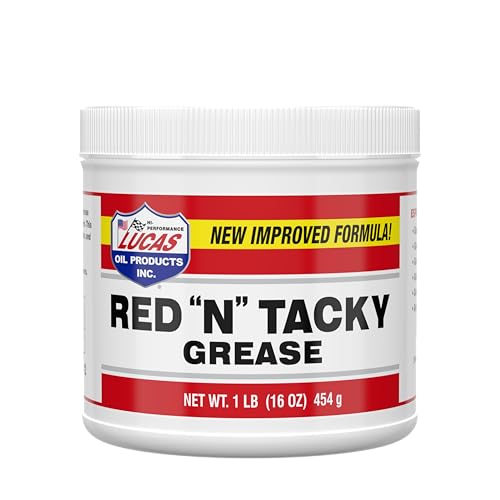
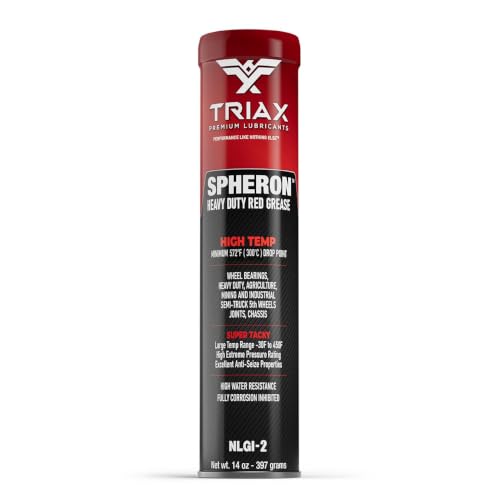
- Lithium-complex or marine-grade wheel bearing grease (NLGI #2 grade; avoid mixing grease types).
- New grease seals (always replace; pre-soak in oil for 10 minutes for better pliability).
- New cotter pin (for castle nut applications; never reuse).
- Brake cleaner or mineral spirits for degreasing old grease.
- Disposable gloves (prevents skin oil contamination of bearings).
Pro Tip: If you’re servicing a trailer or boat, use water-resistant marine grease—it withstands salt and moisture better than standard automotive grease. Inspect the bearing rollers for pitting or discoloration; replace any damaged bearings immediately.
How to Safely Remove the Wheel and Access the Bearings

Before you can grease wheel bearings, you must first safely access them. This process requires precision and the correct safety gear—work on a level surface, engage the parking brake, and always use a quality jack and axle stands. Never rely solely on a car jack.
Begin by loosening the lug nuts while the wheel is still on the ground. Use a breaker bar for stubborn bolts, turning them counterclockwise. Jack up the vehicle at the designated lift point, then secure it with a pair of axle stands placed under the frame or control arms. Lower the jack slightly so the stands bear the weight, then fully remove the lug nuts and pull the wheel straight off the hub.
With the wheel removed, you’ll see the brake rotor or drum. For disc brakes, the bearing assembly is often behind a dust cap or integrated into a hub unit. Pry off the dust cap gently with a flat-head screwdriver. You may need to remove the cotter pin and castle nut using pliers and a socket; count the threads as you remove the nut for reassembly reference. For drum brakes, you’ll typically need to remove the drum by pulling firmly, but check for retaining screws first.
A critical step: inspect the bearings and races for pitting, scoring, or discoloration—if damaged, replace them. Clean old grease with a rag and solvent, then dry thoroughly. Now you’re ready to repack the bearings with fresh, high-temperature wheel bearing grease. Always practice clean technique: wear latex gloves and avoid introducing dirt or moisture into the hub bore.
Step-by-Step: How to Clean and Inspect Old Bearings and Races
Before applying fresh grease, the critical preliminary step is a thorough cleaning and inspection of the bearings and races. This ensures you aren't sealing in contaminants that will cause premature failure.
1. Solvent Cleaning: Wear nitrile gloves and safety glasses. Use a dedicated bearing-cleaning solvent (or high-percentage isopropyl alcohol) in a small, clean container. Submerge the bearings and agitate them gently. Use a stiff, non-metallic brush (like a nylon parts brush) to dislodge old, hardened grease from between the rollers or balls. Avoid spinning the bearing rapidly with compressed air—this can cause damage from dry contact.
2. Drying and Visual Inspection: Pat the bearings dry with a lint-free cloth, then let them air-dry completely. Under a bright work light, examine the bearing rollers/balls for pitting, spalling (flaking metal), discoloration from heat (blue/brown), or brinelling (indentations from impact). Inspect the race surfaces inside the hub for the same defects: scoring, galling, or a "washboard" pattern of wear.
3. The Spin and Feel Test: While holding the bearing cage, slowly spin the bearing. It should rotate smoothly and quietly, with no grinding, roughness, or tight spots. A rough-feeling bearing is a sign of contamination or fatigue.
4. Critical Rejection Criteria: Replace any bearing or race if you detect even a single pit, a rough spot when spinning, or discoloration. Do not mix new bearings with used races, or vice versa—they are a matched set. A clean, smooth, and visually perfect bearing can be carefully re-packed with fresh, high-temperature wheel bearing grease.

The Right Way to Pack Bearings with Fresh Grease
Packing wheel bearings with fresh grease is a critical maintenance task that ensures safe towing and smooth trailer operation. The process hinges on forcing grease into the bearing’s roller or ball cage, not just coating the exterior. Begin by thoroughly cleaning all parts with a solvent, then drying them with a lint-free cloth. Inspect the rollers and race for pitting or discoloration; replace if compromised.
For the most effective packing method, use a bearing packer tool if available. Simply place the bearing cone on the tool's spindle and press the grease gun trigger until clean grease extrudes from the top of the rollers. This forces contaminants out while guaranteeing saturation. No tool? Use the hand-palm method: place a generous glob of high-temperature wheel bearing grease in your palm, then press the bearing’s wide edge into the grease repeatedly until you see fresh grease oozing from every roller. Rotate the bearing 90 degrees and repeat until all rollers are fully encapsulated.
After packing, apply a light coating of grease to the inner race, spindle, and the inside of the grease cap. Avoid over-filling the cap, as expansion can push grease onto brake linings. Finally, torque the spindle nut to manufacturer specifications—typically 50 ft-lbs while rotating the hub, then back it off to a finger-tight position. A properly packed bearing runs cooler, extends bearing life, and prevents dangerous wheel separation on the road. Always verify your grease type matches the bearing’s service temperature range. Note: Never mix lithium-based and calcium-based greases, as they can chemically separate under heat.
How to Reassemble and Adjust the Wheel Hub Correctly
After cleaning and repacking the bearings with high-quality grease, the reassembly process is as critical as the lubrication itself. A common error is overtightening, which leads to premature bearing failure and dangerous friction. Begin by sliding the clean hub onto the spindle or axle. Place the inner bearing against its race, followed by the grease seal—tap it in evenly with a seal driver or a large socket to avoid warping.
Next, install the outer bearing and the thrust washer. Thread the spindle nut on by hand until it contacts the washer. This is where precision matters: tighten the nut to 20-25 ft-lbs while rotating the hub to seat the bearings fully. Then, back the nut off by 1/4 to 1/2 turn. You should feel a tiny amount of free play—0.001 to 0.005 inches—at the hub’s outer edge. This allows for thermal expansion without binding.
To verify, grasp the wheel at 12 and 6 o’clock. A slight click indicates correct end-play; no movement suggests it’s too tight. Lock the nut with a cotter pin (if applicable) or a staked nut. Finally, install the dust cap and check the wheel spins freely without roughness. Pro tip: Always recheck adjustment after the first 50 miles, as new bearings can settle. Neglecting this step risks overheating and axle damage. A correctly adjusted hub delivers quiet, safe mileage for thousands of miles.
Common Mistakes to Avoid When Greasing Wheel Bearings
When greasing wheel bearings, even experienced technicians can fall into costly traps. The most common mistake is over-packing the hub or bearing cavity. Too much grease creates hydraulic pressure when the bearing heats up, forcing grease past seals and onto brake rotors or pads, which can cause brake failure. Instead, aim for a 1/3 to 1/2 full cavity—just enough to coat the rollers and fill the space between the cage.
Another frequent error is using the wrong type of grease. Never substitute chassis or lithium-based grease for a high-temperature, waterproof wheel bearing grease (NLGI #2 grade with EP additives). Mixing incompatible greases can cause separation and loss of lubrication. Always clean old grease thoroughly before applying new.
A third pitfall is neglecting bearing preload during reassembly. After packing the bearings and tightening the spindle nut to spec (usually 20-30 ft-lbs while spinning the wheel), you must back it off and retorque to a lower setting. Failing to do so leads to excessive end-play or tight spots, causing premature wear or overheating.
Avoid contaminating the grease with dirt or moisture. Work in a clean area, use nitrile gloves, and never lay greased bearings on concrete—it wicks moisture and grit up into the grease. Finally, rotating the bearing by hand after packing is critical to ensure grease is fully distributed to all roller surfaces, not just sitting in the cage. Skipping this step creates dry spots that can seize within miles.
How Often Should You Grease Wheel Bearings?
As a senior technician, I’m often asked, “How often should I grease wheel bearings?” The answer isn’t a one-size-fits-all number; it depends on vehicle type, usage, and bearing design. For most passenger vehicles with serviceable bearings (common on older cars and many trailers), a good rule of thumb is every 12 to 24 months or 12,000 to 15,000 miles, whichever comes first.
However, harsh conditions demand more frequent attention. If you regularly tow heavy loads, drive through deep water, or operate on dusty or muddy terrain, reduce that interval to every 6,000 to 10,000 miles or annually. Water and contaminants are the primary enemies of grease—they wash out lubrication and cause corrosion. After any immersion in water (e.g., launching a boat trailer), you should inspect and repack the bearings immediately, even if the mileage is low.
For modern vehicles with sealed hub assemblies, the answer is simpler: never. These are lubricated for life and sealed against contamination. Greasing them is unnecessary and can damage the seal or void your warranty. Your maintenance should focus on visually inspecting the bearings for excessive play, noise, or clicking—signs of failure that require entire hub replacement.
Always consult your owner’s manual for the manufacturer’s specific schedule. And remember: proper greasing isn’t just about quantity—use the correct high-temperature, water-resistant wheel bearing grease and pack it thoroughly using a tool or by hand. Under-greasing leads to dry metal-on-metal wear; over-greasing can blow seals. A well-maintained set of bearings will reliably spin for tens of thousands of miles.
Frequently Asked Questions
What is how to grease wheel bearings and who should use it?
A: how to grease wheel bearings is a solution designed to address a specific set of needs for a defined audience. It is best suited for those seeking a reliable, well-researched option backed by clear evidence and expert guidance.
How long does it take to see results with how to grease wheel bearings?
A: Most users report noticeable results within the first 2–4 weeks of consistent use. Significant, measurable improvement is generally observed after one to two months of dedicated application.
Is how to grease wheel bearings suitable for beginners or experienced users?
A: how to grease wheel bearings is designed to accommodate a wide range of experience levels, from complete beginners to advanced practitioners. Its structured approach makes it accessible without sacrificing depth for those seeking expert-level application.
Can how to grease wheel bearings be combined with other approaches or products?
A: Yes, how to grease wheel bearings is generally compatible with complementary strategies and tools. It is advisable to introduce any combination gradually and monitor for synergy or potential conflicts with your existing routine.
What are the most common mistakes to avoid with how to grease wheel bearings?
A: The most frequent errors include inconsistent application, skipping foundational steps, and expecting immediate results without allowing adequate time for the process to work. Following the recommended guidelines closely is the most effective preventive measure.
How does how to grease wheel bearings compare to similar alternatives on the market?
A: how to grease wheel bearings distinguishes itself through its evidence-based formulation, transparent ingredient or methodology sourcing, and a track record of user-verified outcomes. Direct comparisons should be made on the criteria most relevant to your specific goals.
Are there any limitations or side effects associated with how to grease wheel bearings?
A: While how to grease wheel bearings is formulated to minimize adverse effects, individual responses can vary based on specific sensitivities or pre-existing conditions. Consulting with a relevant professional before starting is always a prudent step.
What is the best way to get started with how to grease wheel bearings?
A: The most effective starting point is to begin with a foundational assessment of your current situation, then follow the recommended introductory protocol for how to grease wheel bearings. Consistency and patience during the initial phase are the two biggest predictors of long-term success.
Properly greasing wheel bearings is critical for safe towing and driving. The process requires removing the hub, cleaning all old grease and debris, visually inspecting the bearings and races for wear or damage, and then manually packing fresh high-temperature grease into each roller pocket. Reassembling with a new grease seal and correctly torquing the spindle nut ensures the bearing runs smoothly without excess heat buildup. Skipping any of these steps—such as using the wrong grease, over-packing the cavity, or reusing a worn seal—significantly increases the risk of bearing failure, wheel separation, or brake contamination.
Regular maintenance intervals depend on usage conditions, with off-road, marine, or heavy-load applications requiring more frequent attention. While greasing is a routine DIY task, it demands patience and cleanliness: even a small grain of grit can accelerate wear. When in doubt, professional inspection or replacement is cheap insurance against roadside breakdowns. Ultimately, well-greased bearings provide thousands of miles of quiet, reliable operation, while neglected bearings inevitably lead to premature axle damage or dangerous loss of a wheel.