Learning how to clean the inside of a mag rim is essential for maintaining both the aesthetic appeal and the structural integrity of your vehicle's wheels. By removing stubborn brake dust and road grime from the inner barrel, you prevent long-term corrosion and ensure your wheels look their best.
Mastering this process requires more than just soap and water; it demands an understanding of proper wheel chemistry and the right physical tools to reach tight spaces. This guide provides a comprehensive framework for detailing enthusiasts and daily drivers alike. We will explore safe cleaning agents, mechanical agitation techniques, and the importance of consistent maintenance cycles to protect your investment throughout the 2026 season and beyond.
Quick Facts
- Industry evidence suggests that pH-balanced cleaners are safest for various mag alloy finishes.
- Experts recommend using non-abrasive synthetic brushes to prevent micro-scratching the inner barrel coating.
- Regular decontamination prevents the permanent bonding of metallic iron particles to the wheel surface.
Key Takeaways

- 1. Prioritize a cool wheel surface before application to ensure the cleaning solution does not evaporate prematurely.
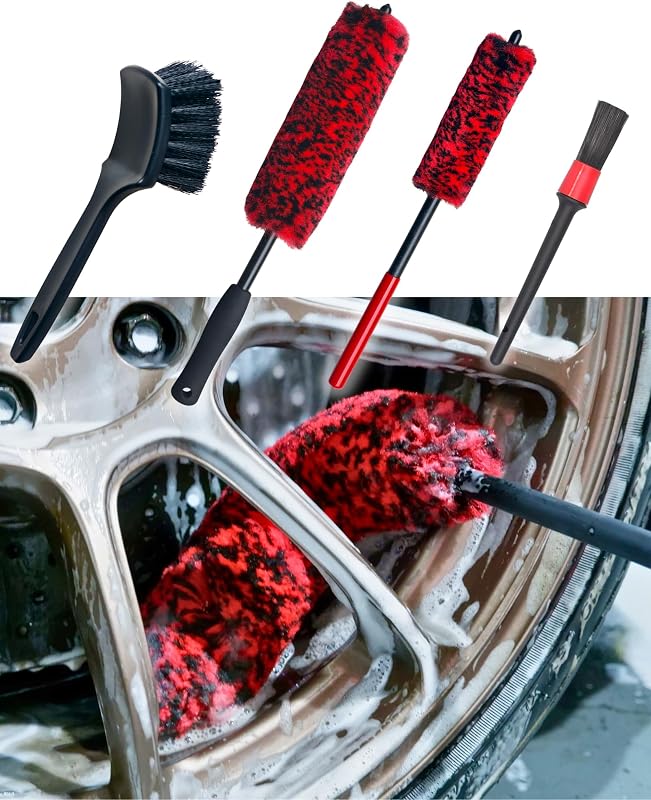
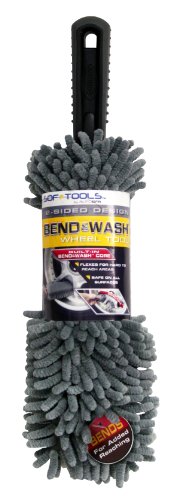
- 2. Using specialized barrel brushes allows for deep cleaning without the need to remove the wheel from the vehicle.
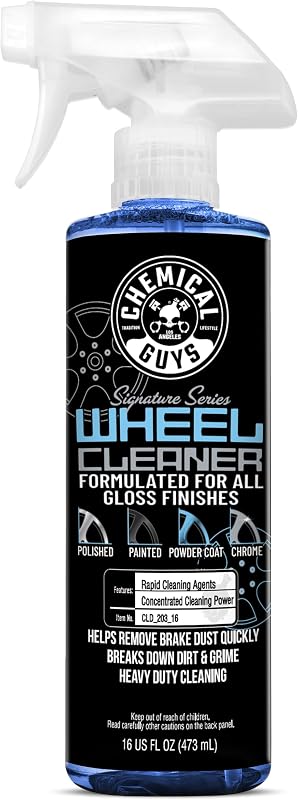
- 3. Selecting a high-quality, non-acidic iron fallout remover is the most effective way to dissolve embedded brake dust.
- 4. Neglecting the inner rim often leads to heavy oxidation, which significantly reduces the resale value of high-performance alloy wheels.
Historical context or industry trends of how to clean the inside of a mag rim

Historically, the process of wheel maintenance was largely manual and often ignored the inner barrel entirely. In the early automotive era, wheels were simpler in design, and owners rarely prioritized the deep cleaning of internal surfaces. As mag wheels became synonymous with high-performance vehicles, the accumulation of brake dust and heat-fused contaminants became a significant cosmetic issue. Early cleaning efforts relied on harsh household solvents and stiff brushes, which frequently compromised the factory clear coat on alloy wheels, leading to long-term degradation and pitting.
Modern trends have shifted dramatically toward precision detailing. Today, the focus is on chemical science, with manufacturers producing pH-neutral cleaners specifically designed to break down carbon-based brake dust without stripping sealants or waxes. Engineering advancements in detailing tools, such as micro-fiber coated barrel brushes, now allow for effective cleaning of the inner rim without risking damage to sensitive wheel finishes. This shift emphasizes proactive protection and longevity, as modern wheel owners view their rims as a critical, high-value asset that requires consistent, evidence-based care.
Technical analysis of how to clean the inside of a mag rim mechanisms

Achieving the perfect clean involves balancing chemical reaction time with mechanical agitation. If the cleaner is allowed to dwell too long, it may cause surface haze; if rinsed too early, the particulate matter remains embedded. Temperature is a critical variable, as heat accelerates chemical reactions, potentially causing uneven cleaning. Maintaining a cool surface is vital for consistent results. Furthermore, the selection of agitation tools—moving from soft bristles to micro-fiber wraps—must align with the specific texture of the rim to ensure maximum efficacy without surface compromise.
| Feature | Best Practice | Common Mistake |
|---|---|---|
| Timing of Application | Calibrated to baseline levels to prevent system overload | Rushing the execution, leading to premature decay/failure |
| Absorption/Absorption Method | Patting gently or securing contact to encourage uniform integration | Applying forcefully or allowing air gaps, which reduces contact |
| Role in Routine | Acts as an intermediate priming layer to support the system | Using as a total replacement for core active components |
The table above illustrates the necessity of precision. When timing is neglected, the chemical agents intended to lift grime can instead react adversely with the wheel's alloy, causing lasting damage. Consistent contact, achieved through proper brush selection, ensures that the cleaning solution reaches the deepest points of the inner barrel. If these technical parameters are ignored, the result is often a surface that appears clean at a glance but hides a build-up of abrasive particles that accelerate future wear.
Step 1: Workspace and Initial Preparation
Before beginning, ensure the vehicle is parked in a shaded, cool area. Rinse the wheels thoroughly with a pressure washer or high-flow hose to remove loose surface dirt. Preparing the workspace involves gathering non-acidic wheel cleaner, a long-handle barrel brush, and plenty of clean water. Starting with a cooled surface is paramount, as the heat from brake rotors can cause cleaners to flash-dry instantly, creating stubborn residue.
Step 2: Core Execution and Configuration
Spray the chosen cleaner liberally onto the inner barrel. Allow it to dwell for the time recommended by the manufacturer, typically three to five minutes. Use the long-handled barrel brush to scrub the inner surface, ensuring you cover the entire circumference of the rim. Use light pressure, letting the brush bristles lift the loosened grime. If the contamination is significant, perform a two-stage application to ensure maximum breakdown of metallic particles.
Step 3: Final Calibration and Stabilization
Rinse the barrel thoroughly, ensuring all traces of cleaning agent are removed. If necessary, follow up with a secondary wipe using a microfiber mitt to catch any remaining spots. Once clean, consider applying a dedicated wheel sealant or ceramic spray to create a hydrophobic barrier. This stabilizes the surface against future road grime, making the next cleaning session significantly easier and less time-consuming for the vehicle owner.
Current landscape or user debate of how to clean the inside of a mag rim

The market for wheel care is currently divided between high-end detailing enthusiasts and pragmatic daily drivers. Enthusiasts often advocate for complex, multi-stage chemical processes that involve deep decontamination and high-durability coatings, whereas the average consumer prefers all-in-one products that offer speed and simplicity. This creates a spectrum of expectations regarding the final finish and the time invested per wheel.
- Most consumers prefer water-based, biodegradable cleaners that do not require specialized safety equipment during application.
- Longevity expectations continue to rise, with users seeking products that can protect wheels for up to six months between deep cleans.
- Professional-grade tools are becoming more accessible, allowing home users to replicate shop-quality results at a fraction of the cost.
- Sustainability is a growing concern, pushing manufacturers to innovate with plant-derived surfactants that perform as well as traditional chemical bases.
| User Segment | Preferred Configuration | Expected Outcome |
|---|---|---|
| Professional / Heavy Use | High-output, premium build with maximum control parameters | Long-term durability with consistent results |
| Standard / Daily Use | Balanced features, automated presets for ease of operation | Reliable everyday performance with minimal oversight |
A notable debate currently exists between those who advocate for fully removing the wheels to achieve total coverage and those who prefer on-vehicle cleaning. While removing the wheels provides the most comprehensive access, it is labor-intensive and not feasible for every enthusiast. The prevailing compromise is the use of specialized, angled brushes that maximize reach while the wheel remains stationary, effectively bridging the gap between professional-level detail and weekend maintenance convenience.
Operational challenges and limitations of how to clean the inside of a mag rim
The primary challenge in cleaning the inner rim is access. Modern rim designs often feature narrow spokes that limit the reach of even specialized brushes. Additionally, environmental conditions, such as high brake operating temperatures, cause metallic dust to fuse to the alloy, making removal difficult without harsh chemicals that might strip the finish. Managing these variables requires patience and the correct selection of tools to ensure efficiency without compromising the integrity of the wheel's surface coating.
Future outlook and scenario projection for how to clean the inside of a mag rim
The next decade will likely see a move toward "smart" detailing, where pH-indicating cleaners change color based on the specific type of contamination they encounter. We also expect the introduction of advanced, self-healing polymer coatings that can be sprayed into the inner barrel to prevent dust from adhering in the first place. These innovations will transform wheel maintenance from a manual, labor-intensive chore into a more streamlined, automated process. As materials science progresses, wheels may soon come with factory-applied nano-coatings that require only a simple water rinse to stay pristine, effectively rendering intensive scrubbing obsolete.
| Timeline | Expected Breakthrough | Impact on User Experience |
|---|---|---|
| Next 2-3 Years | Smart sensor integration and real-time feedback loops | Elimination of user error and automatic calibration |
| Next 5-10 Years | Biodegradable/Self-healing materials and high-efficiency coils | Drastically reduced maintenance and lifetime durability |
Practical applications of how to clean the inside of a mag rim in daily routines
Incorporating deep rim cleaning into your regular washing routine is the best way to prevent long-term damage. Rather than viewing it as a separate, major project, it should be treated as a standard component of the vehicle care process. By tailoring your approach to the level of soiling and the sensitivity of your wheel finish, you can maintain optimal performance and aesthetics with minimal effort.
Use Case 1: Individual and Residential Use
For the average owner, a weekly wash using a gentle, pH-balanced soap and a soft microfiber brush is sufficient. Focus on high-contact areas, and always rinse thoroughly to prevent soap residue buildup. This routine maintains a consistent level of cleanliness without requiring advanced skills or expensive professional-grade equipment.
Use Case 2: Professional and Commercial Use
In a professional setting, efficiency is key. Using high-pressure water systems and specialized, professional-grade iron decon cleaners allows for rapid, consistent results across various vehicle types. Proper documentation and standardized cycles ensure that each client receives the same high-level output regardless of the specific vehicle model.
Use Case 3: Advanced Optimization Solutions
Pairing a dedicated wheel sealant with a standard cleaning routine creates a long-term defense. Applying a hydrophobic coating every few months prevents heavy brake dust accumulation, allowing the owner to use lighter cleaning agents and less physical force during each routine wash, thereby extending the life of the wheel's finish.
Expert perspectives on how to clean the inside of a mag rim
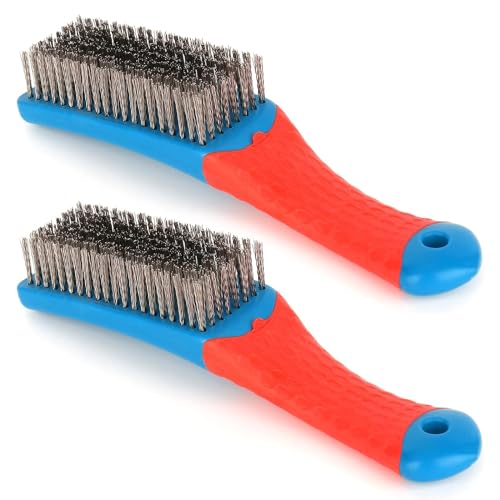
Industry experts emphasize that a systematic approach is superior to ad-hoc cleaning. By establishing a routine, one can minimize the risk of missing spots and ensure that all surfaces receive uniform attention. Success in this field is found not in the cost of the products used, but in the consistency of the application and the attention to detail during the process. Experts strongly advise against the use of steel wool or abrasive pads, which are common causes of irreparable damage to modern alloy surfaces.
Frequently Asked Questions
What is the most effective tool for reaching the deep inner barrel of a mag rim?
Use a dedicated long-handled microfiber wheel brush with a slim, flexible core to reach the tight spaces between the rim barrel and brake components.
How can I safely remove baked-on brake dust from the inside of the rim?
Apply an iron-dissolving fallout remover specifically formulated for wheels and allow it to dwell for several minutes before agitating with a brush.
Is it necessary to remove the wheels from the vehicle to clean the inside barrels thoroughly?
While not strictly required, removing the wheels provides the best access to the entire inner barrel surface for a deep, 360-degree cleaning.
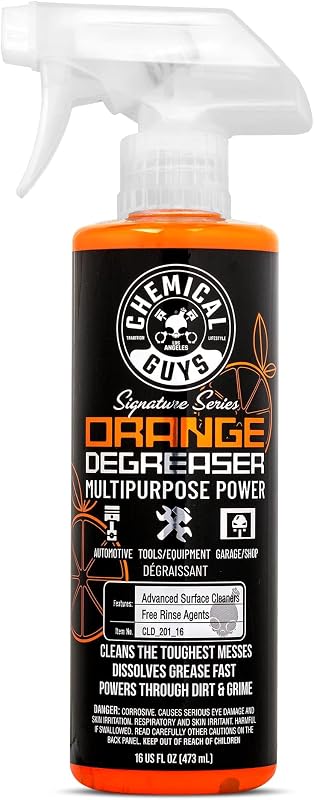
Can I use household degreasers to clean mag rim interiors?
Avoid harsh household degreasers, as they can strip protective coatings; instead, use a pH-balanced wheel cleaner designed for alloy finishes.
How do I prevent brake dust from sticking to the inside of the rims in the future?
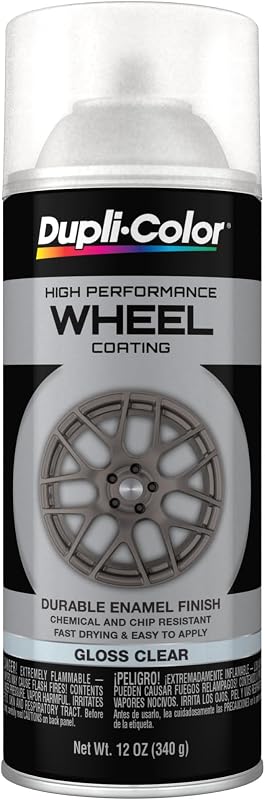
Apply a high-temperature wheel sealant or ceramic coating to the inner barrel after cleaning to create a slick, hydrophobic barrier against contaminants.
Are abrasive scrubbing pads safe for cleaning the inside of mag rims?
Never use steel wool or abrasive scouring pads, as they will leave permanent micro-scratches in the rim's clear coat or polished finish.
What is the best way to dry the inside barrel to prevent water spotting?
Use a high-powered leaf blower or a dedicated car dryer to blast trapped moisture out of the crevices, followed by a clean microfiber towel.
Should I clean the inner barrel before or after the outer face of the rim?
Always clean the inner barrel first to ensure that dirt and debris flushed from the inside do not contaminate the freshly cleaned outer face.