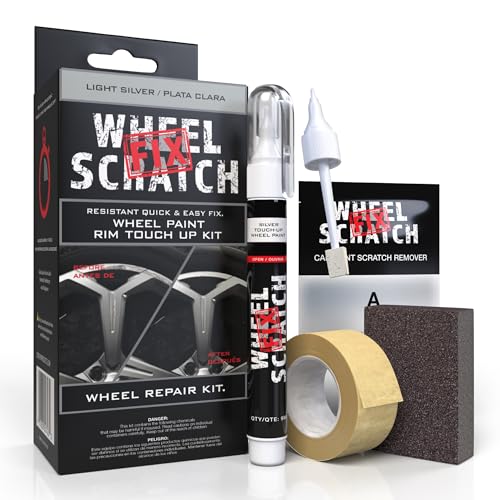
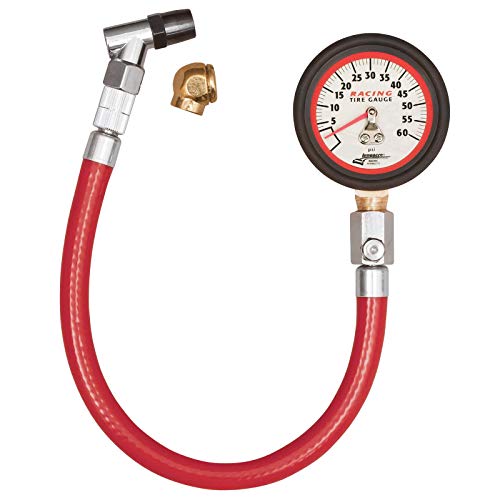
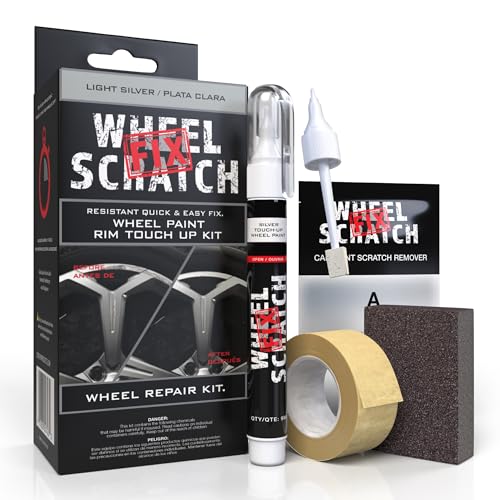
Alloy Wheels vs Normal Wheels: The Ultimate 2025 Performance & Style Guide vs Alternatives provides a detailed look at the two primary options for vehicle rim upgrades: aluminum alloy wheels and standard steel wheels.
Many vehicle owners struggle to distinguish between the aesthetic appeal of alloys and the utilitarian resilience of steel wheels. Misunderstanding the trade-offs often leads to poor purchase decisions that impact fuel efficiency, ride comfort, and maintenance requirements.
This guide breaks down the architecture, performance characteristics, and ideal maintenance paths for both types of wheels. By the end, you will have a clear framework to choose the option that matches your driving habits and budget.
- Material composition and weight differences
- Impact on vehicle handling and fuel efficiency
- Long-term durability and resistance to road hazards
- Aesthetic customization potential
- Maintenance requirements and cost of ownership
Overview & Head-to-Head Summary

The Profile of Alloy Wheels
Alloy wheels are typically manufactured from a mixture of aluminum or magnesium and other metals. They are favored for their reduced weight, which helps improve suspension performance and handling. You can learn more about maintaining their appearance in our guide on 5 Best Alloy Wheel Rust Remover Picks for 2026.
The Profile of Normal (Steel) Wheels
Standard or "normal" wheels are constructed from stamped steel. While heavier and less aesthetically diverse, they offer unmatched durability under extreme stress and are generally more cost-effective to replace or repair.
| Feature | Alloy Wheels | Steel Wheels |
|---|---|---|
| Weight | Lightweight | Heavy |
| Style | High Customization | Utility Focused |
| Durability | Corrosion-prone | Resilient |
| Cost | Premium | Budget-friendly |
Always check your vehicle manufacturer's load rating before switching to a different wheel type to ensure safety and alignment accuracy.
Key Differences & Core Features

Manufacturing and Architectural Differences
The primary difference lies in the casting process. Alloy wheels are often cast or forged, allowing for complex, aerodynamic designs. Steel wheels are utilitarian, created by welding a rim to a disc, which limits aesthetic variety but ensures a rugged build.
Thermal Management and Weight Impact
Alloy wheels excel at dissipating heat away from brake components, a critical feature for high-performance driving. Conversely, steel wheels are prone to retaining heat but remain less susceptible to the cracking that can affect alloy wheels under severe impact.
| Attribute | Alloy Impact | Steel Impact |
|---|---|---|
| Brake Cooling | High Efficiency | Low Efficiency |
| Impact Resistance | Moderate (Cracks) | High (Bends) |
| Repairability | Complex/Refinishing | Simple/Hammer-out |
Performance & Real-World Analysis

Handling and Responsiveness
Reducing unsprung weight via alloy wheels allows the suspension to react faster to road irregularities. This creates a sharper steering feel and more predictable handling during cornering.
Maintenance and Longevity
While alloys offer better performance, they require specific care to avoid oxidation. Utilizing a Best Home Made Wheel Cleaner can help extend the life of your finish. Steel wheels are easier to maintain but require protection against heavy surface rust.
Performance optimization depends on balancing the weight reduction of alloys against the structural peace of mind provided by steel.
Best Use Cases & Ideal Scenarios

When Option A (Alloy) Makes More Sense
Alloy wheels are best for drivers who prioritize vehicle aesthetics and handling. If your vehicle is used for performance driving or high-end touring, the investment in alloys provides tangible benefits.
When Option B (Steel) Makes More Sense
Steel wheels are the superior choice for fleet vehicles, winter-specific sets, or daily commuters who live in areas with poorly maintained roads where heavy-duty durability is required.
When It Genuinely Doesn't Matter
For city drivers traveling at low speeds with light cargo loads, the performance difference between high-quality steel and standard alloys is often imperceptible.
Final Verdict & Decision Framework

Quick Decision Checklist
Determine your choice by answering: Is performance and curb appeal my main priority? If yes, go with alloys. If budget and ruggedness are paramount, stick with steel.
Our Framework for Choosing
| Priority Goal | Recommended Choice |
|---|---|
| Maximized Fuel Economy | Alloy |
| Harsh Winter Usage | Steel |
| Performance Handling | Alloy |
| Maximum Budget Control | Steel |
Frequently Asked Questions
Do alloy wheels really improve gas mileage?
A: Yes, by reducing unsprung weight, alloy wheels can improve fuel efficiency in certain driving conditions.
Are steel wheels safer than alloys?
A: Steel wheels are often considered more durable under extreme impact, while alloys offer better braking performance.
Can I switch from steel to alloy wheels?
A: Yes, as long as the bolt pattern, offset, and center bore match your vehicle specifications.
Do alloy wheels rust?
A: Alloy wheels do not rust like steel, but they can experience corrosion or oxidation if the protective clear coat is damaged.
Why are steel wheels preferred for winter?
A: They are generally more resistant to road salt and can withstand the harsh impacts of icy, uneven roads better than alloys.
Are alloy wheels harder to clean?
A: They have more complex designs, which can make cleaning more labor-intensive compared to simple steel designs.
Will new wheels change my speedometer reading?
A: Only if the overall diameter of the wheel and tire combination changes significantly from the factory setup.
Is it worth painting my old wheels?
A: Painting can refresh the look, though proper preparation is essential for longevity.
Key Takeaways
- 1 Alloy wheels reduce unsprung weight, improving handling.
- 2 Steel wheels offer superior durability for harsh road conditions.
- 3 Heat dissipation is a key advantage of alloy construction.
- 4 Steel wheels are significantly cheaper to replace if damaged.
- 5 Alloy wheels require specialized care to prevent cosmetic corrosion.
- 6 Compatibility is the most important factor when purchasing aftermarket wheels.
- 7 Your driving environment should dictate the material you choose.
Conclusion
Choosing between alloy and steel wheels requires a balanced view of your specific driving needs. Whether you prioritize the responsive performance of alloys or the cost-effective durability of steel, the right choice will improve your overall driving experience.
We hope this comparison has clarified the trade-offs and helped you feel confident in your selection process for your vehicle.
Selecting the right wheels is a balance of science and preference—choose the one that aligns with your daily reality.
For further maintenance, read our top rust remover picks here.
📌 Pillar Resource: Read our complete complete Alloy Wheels vs Normal Wheels: The Ultimate 2025 Performance & Style Guide review for in-depth insights.