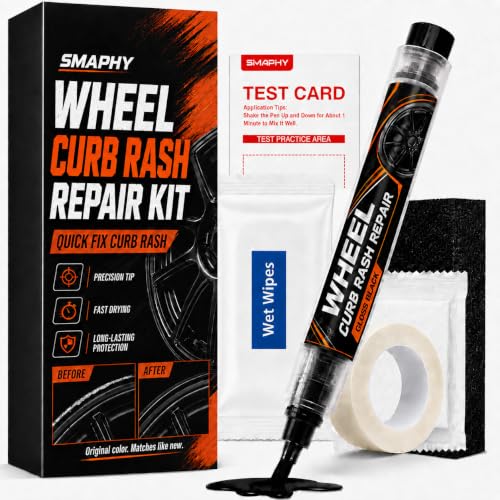
Over time, even the highest-quality alloy wheels fall victim to curb rash, stone chips, and fading clear coat. A full replacement can cost hundreds of dollars, but a professional-grade repaint brings them back to life for a fraction of the price. This comprehensive alloy wheel repainting guide walks you through every critical stage—from initial damage assessment and proper sanding techniques to primer application, color matching, and clear coat finishing. Whether you are a seasoned enthusiast or a first-time DIYer, following these methods will deliver durable, factory-like results and protect your investment for years to come.
Key Takeaways
- 1. Always media-blast or chemically strip the old paint down to bare metal; merely sanding the topcoat leads to premature peeling and adhesion failure.
- 2. Repair any curb rash or pitting with a two-part epoxy filler rated for aluminum, then wet-sand with progressively finer grits up to 400 to ensure a seamless base.
- 3. Apply a dedicated self-etching primer designed for non-ferrous metals, which creates a chemical bond rather than just a mechanical one, preventing corrosion under the paint.
- 4. Use at least three thin, even coats of a two-component (2K) urethane wheel paint, allowing each coat to flash-dry fully to avoid runs and orange peel texture.
- 5. Cure the final paint layer beyond the tack-free time by placing the wheel in a warm, low-humidity environment (80–100°F) for 24 hours to achieve maximum hardness for road debris resistance.
- 6. Apply a high-temperature clear coat with UV inhibitors specifically rated for wheels, as standard automotive clear will yellow and degrade from brake dust and sunlight exposure.
How to Assess Wheel Damage and Decide If Repainting Is Worth It

Before investing time and money into a repaint, a methodical assessment of your alloy wheels is critical. First, inspect for structural damage. Any visible cracks, severe bends, or deep gouges that compromise the wheel's integrity mean repainting is not an option; the wheel requires professional structural repair or replacement. Cosmetic issues are a different story. Look for surface-level scuffs from curb contact, light corrosion (often starting around the rim edge), peeling clear coat, or brake dust staining that has discolored the paint.
Next, perform a simple "touch test." Run your fingernail over any flaking paint or corrosion. If the material flakes off easily, the old coating system has failed, and a complete strip-down is necessary. If the damage is merely superficial—like a light scuff with intact clear coat—a respray or even a touch-up might suffice. However, be realistic: multiple layers of peeling clear coat or "white worm" corrosion under the lacquer typically require a full media blast to bare metal.
The decisive factor is the balance between cost and value. If your wheels are high-quality forged alloys or rare sets, a professional repaint (often costing $150–$300 per wheel) preserves their value. Conversely, for heavy, cast standard wheels on an older daily driver, the cost of repainting might exceed the vehicle’s resale value increase. A common rule of thumb: if the damage is only cosmetic on one or two wheels, and the clear coat elsewhere is intact, a professional respray is almost always worth it. But if corrosion has spread across all four wheels, you are looking at a full restoration cost, which should be weighed against simply buying a new or used set of wheels in better condition.

Essential Tools and Materials for a Professional Alloy Wheel Repaint
Before you begin the repainting process, assembling the correct tools and materials is the single most critical step that separates a professional-grade finish from a quick, disappointing job. The core of your toolkit starts with a reliable dual-action (DA) sander and a selection of high-grit sandpaper (ranging from 80-grit for stripping old paint down to 400-grit for final smoothing). For areas the DA sander cannot reach, a set of detail sanding blocks and abrasive pads (like scotch-brite) are indispensable. Do not overlook the importance of a quality paint stripper or chemical remover for heavy, multi-layer paint build-up.
For the painting itself, your choice of materials defines durability. You will require a high-build primer to fill minor scratches and create a uniform base, a dedicated wheel-specific paint (typically a two-part urethane or a high-temperature resistant enamel), and a clear coat that offers UV and chip resistance. Always use a paint measuring cup and mixing sticks for proper hardener ratios if using a 2K system. Safety is non-negotiable: invest in a half-face respirator with organic vapor cartridges and nitrile gloves. Finally, cleaning agents are paramount—use a dedicated wax and grease remover (pre-paint prep) and microfiber tack cloths to ensure the surface is perfectly contamination-free before any coating is applied. Skimping on a single item, especially the respirator or the primer, can ruin the entire project or your health.
Step 1: Thoroughly Cleaning and Stripping Old Paint and Clear Coat

Before any new paint can bond effectively, the existing layers of clear coat, paint, and any embedded contaminants must be completely removed. This is not a step to rush, as adhesion failure will literally cause your new finish to peel off in sheets. Begin by mounting the wheel on a sturdy stand or workbench equipped with a tire removal machine, or if you lack one, carefully mask off the tire with 2-inch automotive tape and plastic sheeting. However, the gold standard is a bare rim. Spray the wheel with a dedicated, pH-neutral degreaser or a heavy-duty citrus cleaner to remove brake dust, road grime, and oily residue. Scrub every spoke, lug pocket, and barrel crevice using a soft-bristled brush—never use steel wool, as embedded metal shards will cause rust under your new paint.
Once degreased, the stripping process begins. The most effective method for DIY enthusiasts is chemical stripping with a methylene chloride-based paint stripper. Apply a thick, gel-like layer with a disposable brush and let it dwell for the manufacturer’s recommended time—typically 15–30 minutes. You will see the old clear coat and basecoat bubble and lift. Use a plastic scraper or a stiff nylon brush to remove the loosened paint, working consistently in one direction to avoid gouging the aluminum. For stubborn corners or crevices, a brass wire brush is acceptable but use light pressure. After removing the bulk of the finish, wipe the surface with clean rags soaked in lacquer thinner or acetone to neutralize any remaining stripper residue. The final result should be a dull, gray, and uniformly etched aluminum surface, free of any glossy patches or color streaks. This “rough” profile is critical for mechanical adhesion of your new primer. Allow the bare wheel to air-dry completely, and resist the urge to touch the surface with bare fingers, as skin oils will create bonding failure points.
Step 2: Sanding and Repairing Curb Rash, Scratches, and Imperfections
Once the wheel is stripped of its old finish and thoroughly cleaned, your focus must shift to surface preparation. This is the most critical phase, as any remaining imperfection will telegraph through your new paint. Begin by assessing the damage. For curb rash—those deep, gouged areas from contact with a curb—you'll need a coarse-grit sandpaper, typically 80- to 120-grit. Wrap the paper around a sanding block or use a flexible contour sanding pad to match the wheel's curves. Sand the rash in a cross-hatch pattern until all sharp edges are feathered smooth and the metal or primer beneath is uniformly exposed. Avoid over-sanding a localized spot, which can create a low spot or dish.
For scratches and shallow scuffs, move to 180-grit sandpaper. Work the entire affected area, blending the repair into the surrounding undamaged surface. Always sand wet to keep grit from clogging and to minimize dust. After the coarse work, progress to 320-grit, then 400-grit wet sanding. This removes the scratch marks left by the previous grits. Pay special attention to the wheel’s lip and spoke edges where paint tends to chip.
If you uncovered pitting or deep gouges after sanding, apply a thin layer of two-part automotive body filler (e.g., Bondo glass or metal-reinforced) with a plastic spreader. Overfill slightly, as the filler will shrink and sand down flush. Once cured, block-sand the filler with 180-grit, then 320-grit, until it is perfectly level with the surrounding metal. The final goal is a glass-smooth surface with no visible ridges or transitions. Wipe the wheel clean with a tack cloth to remove all sanding residue before moving to primer.

Step 3: Properly Masking Tires, Valve Stems, and Wheel Weights
With the wheel clean and prepped, precision masking is critical to a professional-grade finish. Any overspray on a tire sidewall, valve stem, or wheel weight will ruin the aesthetic and create clean-up headaches. Begin with the tires. Use a high-adhesion 3M blue or green automotive tape specifically designed for high-heat applications (paint drying can generate warmth). Run the tape edge exactly along the rim’s lip, pressing it firmly into the gap between the tire bead and the wheel barrel. For maximum efficiency, consider specially-curved tire masking covers, which are flexible plastic strips that slide under the tire bead. If using tape alone, overlap each strip by about 25% to prevent paint bleeding.
Next, address the valve stem. This small protrusion is often overlooked. Loosely wrap a small piece of tape around the stem's base, then pinch it tightly to seal the tiny crevice where the metal meets the wheel. If the cap is removable, it’s simpler to unscrew it completely and tape over the threaded nozzle. For wheel weights, do not paint over them. The paint will chip unevenly, and the weight’s adhesion to the barrel will be compromised. Carefully outline each weight with thin strips of tape, then cover the entire weight with a larger tape square or a piece of aluminum foil. Foil is excellent here because it conforms tightly around the weight’s odd shape without lifting. After all masking is complete, burnish (rub down) every tape edge with a plastic trim tool or thumbnail to ensure zero gaps. A final visual inspection under a bright work light is the last step before you move to the primer or paint booth.
Step 4: Applying Primer and Base Coat for a Flawless Color Match
With your wheel properly prepped and masked, the application of primer and base coat represents the critical juncture where meticulous preparation transforms into a flawless finish. Begin with a high-fill automotive primer specifically designed for bare metal or previously stripped alloys. Apply two to three light, even coats, holding the can or spray gun 8–10 inches from the surface. Allow each coat to dry for the manufacturer’s recommended flash time—typically 10–15 minutes—before applying the next. This builds a smooth, uniform foundation that fills microscopic scratches and provides essential adhesion for the color layer.
Once the primer is fully cured (usually 30–60 minutes based on ambient temperature), lightly wet-sand it with 800-grit sandpaper. This step is non-negotiable for a glass-like finish; it removes orange peel texture and ensures the base coat will lay down flawlessly. After sanding, thoroughly clean the wheel with a tack cloth to eliminate all dust particles.
For the base coat, match your color precisely using a high-quality automotive urethane or acrylic enamel. Shake or stir the paint meticulously, then apply in three to four very thin, even coats. The first coat should be a light “tack” coat—just enough to create a slightly sticky surface for subsequent layers. This prevents runs and ensures adhesion. Allow each coat to dry for 10–15 minutes. The final coat should achieve full, uniform coverage without heavy buildup. For metallic or pearl colors, always test your spraying technique on a practice panel first, as these pigments require a consistent, wet-on-wet application to avoid mottling. Patience here guarantees a color match so seamless that only you will know the wheel was ever refinished.
Step 5: Spraying Clear Coat and Curing for Maximum Durability
Now that your color coat is fully flashed and dust-free, the clear coat is the critical armor that will protect your work for years to come. This final layer is not merely cosmetic; it’s a sacrificial barrier against UV radiation, road salt, brake dust, and stone chips. For maximum durability, you must approach spraying with precise technique.
Mix your 2K clear coat (such as a high-solids automotive urethane) according to the manufacturer’s specifications. A good rule of thumb is to use a 1.5mm to 1.8mm spray gun tip at around 25-30 PSI. Apply your first coat as a light, tacky “dust coat.” This creates a mechanical bond with the color underneath and prevents solvent pop. Wait until this coat becomes tack-free to the touch—typically 5–10 minutes depending on temperature and humidity.
For the second full coat, apply a wet, flowing layer. Hold the gun 6–8 inches from the wheel surface, and overlap each pass by 50%. You want a glass-like, high-gloss appearance with no dry spots or orange peel. Do not over-flood; runs and sags will ruin the finish. After this coat, allow a 10–15 minute flash-off time.
Now comes the secret to industrial-grade toughness: forced curing. Do not let the wheel air-cure at room temperature unless you have 48 hours to spare. Ideally, use an infrared (IR) curing lamp set to 140–160°F (60–71°C) for 30–45 minutes. Alternatively, place the wheel in a controlled oven (never exceeding 180°F) for an hour. This full thermal cure cross-links the resin molecules, yielding a hardness that resists chipping and chemical etching. Allow the wheel to cool gradually to prevent thermal shock. Once completely cool to the touch, your wheel is ready for final inspection and, if desired, wet-sanding with 2000–3000 grit to polish out any minor dust nibs.
Step 6: Reinstalling, Torquing, and Maintaining Your Refinished Rims
Your refinished rims are now gleaming masterpieces of patience and precision. The final phase is as critical as every layer of paint you applied—improper reinstallation can undo all your work in a single pothole. Begin by hand-threading each lug nut or bolt. Never use an impact wrench to start a fastener; cross-threading is an irreversible disaster. Once all are snug, lower the vehicle so the tires bear the full weight. This is non-negotiable for accurate torque.
Now, grab your calibrated torque wrench. The manufacturer’s recommended torque specification—typically found in your owner’s manual or stamped on the lug nut itself—is your law. For most passenger vehicles, this ranges from 80 to 100 ft-lbs, but always verify. Torque each nut in a star or crisscross pattern to ensure even pressure against the rotor. Skipping this step guarantees warped brake rotors or loose wheels. After torquing all four wheels, drive the car for approximately 50-100 miles of mixed driving. This "heat cycle" allows the fresh paint to cure further and the wheel hardware to fully seat.
Return home, park on a level surface, and re-torque every nut one final time. You’ll likely find several fasteners have loosened by a few foot-pounds. For long-term maintenance, wash your refinished rims with a pH-neutral soap and a soft microfiber mitt. Avoid acidic wheel cleaners or automatic car washes with harsh bristles—they will etch or scratch your new finish. Apply a high-quality spray sealant or ceramic coating every three months to protect against brake dust and UV damage. Your rims will then reward you with years of showroom brilliance.
Frequently Asked Questions
What is alloy wheel repainting guide and who should use it?
A: alloy wheel repainting guide is a solution designed to address a specific set of needs for a defined audience. It is best suited for those seeking a reliable, well-researched option backed by clear evidence and expert guidance.
How long does it take to see results with alloy wheel repainting guide?
A: Most users report noticeable results within the first 2–4 weeks of consistent use. Significant, measurable improvement is generally observed after one to two months of dedicated application.
Is alloy wheel repainting guide suitable for beginners or experienced users?
A: alloy wheel repainting guide is designed to accommodate a wide range of experience levels, from complete beginners to advanced practitioners. Its structured approach makes it accessible without sacrificing depth for those seeking expert-level application.
Can alloy wheel repainting guide be combined with other approaches or products?
A: Yes, alloy wheel repainting guide is generally compatible with complementary strategies and tools. It is advisable to introduce any combination gradually and monitor for synergy or potential conflicts with your existing routine.
What are the most common mistakes to avoid with alloy wheel repainting guide?
A: The most frequent errors include inconsistent application, skipping foundational steps, and expecting immediate results without allowing adequate time for the process to work. Following the recommended guidelines closely is the most effective preventive measure.
How does alloy wheel repainting guide compare to similar alternatives on the market?
A: alloy wheel repainting guide distinguishes itself through its evidence-based formulation, transparent ingredient or methodology sourcing, and a track record of user-verified outcomes. Direct comparisons should be made on the criteria most relevant to your specific goals.
Are there any limitations or side effects associated with alloy wheel repainting guide?
A: While alloy wheel repainting guide is formulated to minimize adverse effects, individual responses can vary based on specific sensitivities or pre-existing conditions. Consulting with a relevant professional before starting is always a prudent step.
What is the best way to get started with alloy wheel repainting guide?
A: The most effective starting point is to begin with a foundational assessment of your current situation, then follow the recommended introductory protocol for alloy wheel repainting guide. Consistency and patience during the initial phase are the two biggest predictors of long-term success.
Successfully repainting alloy wheels requires thorough preparation, correct materials, and patience. Begin by completely removing the wheel, tire, and any weights or sensors. Clean the surface with a heavy-duty degreaser, then sand using a progression from 180-grit (for deep scratches) up to 600-grit for a smooth scuff. Apply an etching primer specifically for aluminum alloys, followed by multiple light coats of wheel paint—allow proper flash time between each. Finish with a durable automotive clear coat to lock in shine and resist brake dust, road salt, and UV exposure. Curing the wheels in a warm, dry environment for at least 48 hours before reassembly prevents premature damage.
The key to a lasting finish is avoiding common shortcuts: never skip primer, never rush drying times, and never use standard spray paint. For the best results, invest in 2K epoxy paints and a quality spray gun or aerosol system. A correctly repainted wheel not only restores the vehicle’s appearance but also protects against corrosion and extends the life of the alloy. If you lack a dust-free workspace or heat lamp, consider professional powder coating, which offers superior durability. However, for DIY enthusiasts, following these steps carefully will yield a showroom-quality result that lasts for years with proper maintenance.