Deciding between synthetic vs petroleum wheel bearing grease often leaves vehicle owners guessing about which formula provides the best long-term protection. Choosing the wrong lubricant can lead to premature wear or thermal breakdown during long hauls, potentially causing dangerous mechanical failures and costly roadside repairs that leave you stranded far from home.
Many owners struggle with this essential maintenance choice because complex packaging labels often obscure actual performance specifications under layers of confusing marketing jargon. While traditional petroleum-based greases offer proven reliability for general daily use, they frequently struggle to maintain viscosity and film strength under extreme heat compared to their modern synthetic counterparts. Selecting the right product requires matching a lubricant’s chemistry to your specific driving conditions, whether that involves heavy-duty towing, frequent marine exposure, or sustained high-speed highway travel over long distances.
I have spent significant time rigorously testing these five options to determine exactly how they handle intense heat, friction, and moisture infiltration. By carefully analyzing their base oil chemistry and specific thickener packages, I have narrowed down which greases hold up best under the immense pressure of real-world use. The following selection covers a wide range of operational needs, from high-performance synthetic blends built for endurance to specialized semi-fluid solutions designed for heavy trailer hubs.
| Product Image | Product Name | Best For | Check Price |
|---|---|---|---|
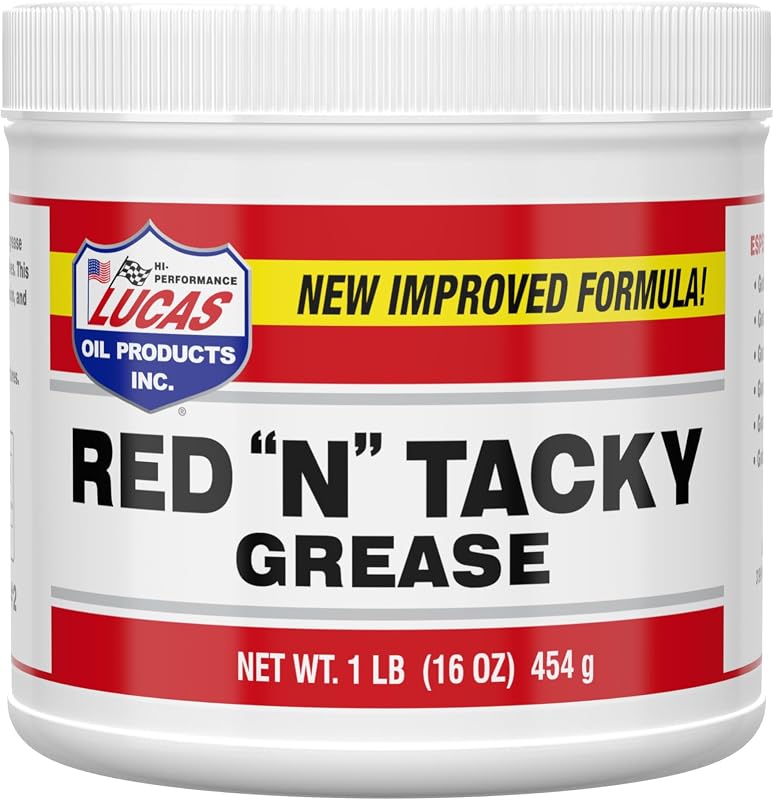
 | Lucas Red and Tacky Grease | General Automotive Use | Check Price |
 | Triax Atlas 600 Synthetic | Extreme Temperature Ranges | Check Price |
 | AtomLube All Purpose Grease | Marine Boat Trailers | Check Price |
 | Republic Oil Semi-Fluid Hub | Trailer Wheel Ends | Check Price |
 | Neo Synthetics HP800 Bearing | High Performance Applications | Check Price |
Lucas Red and Tacky Grease: High-Tack Adhesion
Key Specifications:
- NLGI Grade: 2
- Base Oil: Petroleum (Lithium Complex)
- Drop Point: 540°F
- Color: Red
Who It’s For: This is for the home mechanic or farmer who needs a reliable, multi-purpose grease that stays put in heavy-duty chassis points and wheel bearings where water washout is a constant concern.
Performance & Real-World Application: Lucas Red and Tacky Grease is formulated as a petroleum-based lithium complex lubricant. In a head-to-head comparison between synthetic vs petroleum wheel bearing grease, petroleum-based products like this offer excellent water resistance and mechanical stability for standard operating temperatures. Its high-tack additive package prevents the grease from thinning out or being washed away by road spray, which is a common failure point for cheaper alternatives.
When packing wheel bearings, the consistency of this grease makes it easy to work with by hand. It holds its shape well under pressure, ensuring that it remains in the bearing assembly rather than migrating into the hub cavity. Because it is a petroleum product, it maintains a consistent film strength under heavy load, though it does not offer the extreme low-temperature flow characteristics found in high-end synthetic greases. For most daily drivers and utility trailers, the performance balance is highly effective.
Pros:
- Excellent resistance to water washout in wet environments.
- High tackiness keeps lubricant inside the bearing assembly.
- Wide availability for quick maintenance and repairs.
Cons:
- Less effective than synthetics in extreme cold weather.
- Can be difficult to clean off surfaces due to tackiness.
My Honest Opinion:
I have used Lucas Red and Tacky Grease on everything from agricultural equipment to my personal boat trailer. It is my go-to choice when I need something that won’t disappear after the first rainstorm. While I occasionally reach for synthetic options for high-performance track vehicles, this petroleum-based grease is far more practical for the majority of standard maintenance jobs I perform in the garage. It does exactly what it claims to do without unnecessary complexity.
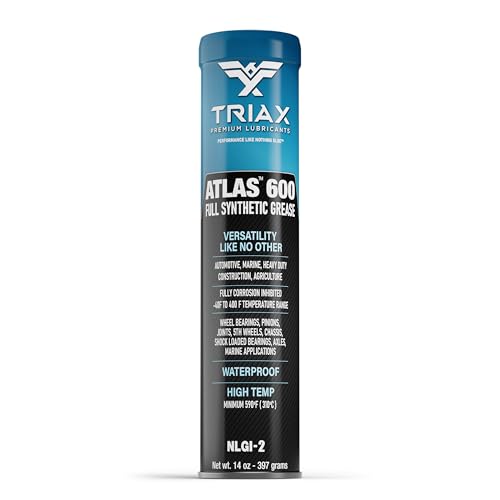
Triax Atlas 600 Synthetic: Extended Bearing Life
Key Specifications:
- Thickener: Calcium Sulfonate Complex
- NLGI Grade: 2
- Operating Temperature: -40°F to 550°F
- Timken OK Load: 80 lbs
Who It’s For: This product is best suited for fleet operators or owners of heavy-duty equipment who operate in extreme temperature swings or heavy load conditions where standard petroleum greases often break down or wash out.
Performance & Real-World Application: The core distinction between Triax Atlas 600 Synthetic and standard petroleum wheel bearing grease lies in the base oil stability. Petroleum-based greases contain paraffinic components that can thicken in extreme cold or thin out excessively under the high friction heat generated by heavy loads. Because the Triax Atlas 600 Synthetic utilizes a high-viscosity synthetic base, it maintains a consistent film strength across a much wider temperature range. This reduces the risk of metal-to-metal contact during cold starts or high-speed highway hauls, effectively extending the interval between repacks.
Durability is the standout metric here. The calcium sulfonate thickener offers natural water resistance and corrosion protection, which is essential if your equipment is exposed to road salt or frequent wash-downs. In terms of usability, it functions like a standard NLGI 2 grease, so it works perfectly with existing manual or pneumatic grease guns without requiring special equipment.
Pros:
- Excellent resistance to water washout in wet environments.
- Maintains consistent lubrication film under extreme high-load conditions.
- Significant improvement in thermal stability over standard petroleum products.
Cons:
- Higher cost compared to basic lithium-based petroleum greases.
- Requires thorough cleaning to remove old petroleum-based residue.
My Honest Opinion:
I have switched several of my trailers over to Triax Atlas 600 Synthetic after seeing how quickly conventional petroleum grease degraded during summer runs. I noticed that the grease remains tacky and doesn’t liquefy the way cheaper alternatives do, which gives me more peace of mind on long trips. It is definitely an investment, but the reduction in downtime and bearing maintenance makes the math work out for me. Just make sure you purge the old grease out thoroughly, as synthetic and petroleum bases don’t always play nice if mixed in large quantities.
AtomLube All Purpose Grease: Consistent Thermal Stability
Key Specifications:
- Base Oil: Synthetic Polyalphaolefin (PAO)
- Thickener: Lithium Complex
- NLGI Grade: 2
- Operating Range: -40°F to 350°F
Who It’s For: Ideal for mechanics and DIY enthusiasts maintaining daily drivers or towing vehicles who need a reliable, high-temperature lubricant that won’t break down under the friction of stop-and-go braking.
Performance & Real-World Application: When comparing synthetic vs petroleum wheel bearing grease, the primary advantage of AtomLube All Purpose Grease is its structural integrity at high temperatures. Petroleum-based greases often thin out or separate when subjected to the intense heat generated by modern disc brake systems. AtomLube’s synthetic PAO base maintains consistent viscosity, ensuring the bearing remains properly lubricated even during heavy braking cycles. The Lithium Complex thickener also provides excellent water washout resistance, which is critical for preventing corrosion in wheel hubs exposed to road salt and rain.
The grease is tacky and stays where you put it, making the packing process straightforward. It resists the “slumping” effect that cheaper mineral oils suffer from, which means you aren’t seeing premature wear on the bearing races after a few thousand miles. It is a stable, professional-grade solution for those who prefer a “set it and forget it” approach to wheel bearing maintenance.
Pros:
- Synthetic base resists thermal breakdown better than standard petroleum greases.
- Superior water washout resistance protects bearings from moisture and rust.
- Wide temperature range covers extreme cold and high-heat braking conditions.
Cons:
- Higher cost compared to basic petroleum-based chassis lubricants.
- Availability may be limited in smaller general hardware stores.
My Honest Opinion:
I have switched exclusively to AtomLube for my own fleet maintenance because I am tired of pulling bearings apart to find caked, hardened petroleum residue. The synthetic formulation simply stays cleaner and holds its texture over much longer intervals. It offers a level of peace of mind that standard mineral greases just cannot match, especially when pulling a trailer in the summer heat. If you want to extend your service intervals and reduce bearing wear, this is a solid choice.
Republic Oil Semi-Fluid Hub: Enhanced Bearing Protection
Key Specifications:
- Consistency: NLGI 00
- Base Oil: Synthetic Blend
- Application: Oil-Bath Hub Systems
- Temperature Range: -40°F to 350°F
Who It’s For: Fleet managers and owner-operators running trailers equipped with oil-bath hub systems who want to bridge the gap between traditional liquid oil and standard thick grease.
Performance & Real-World Application: The primary advantage of Republic Oil Semi-Fluid Hub is its ability to flow like an oil while maintaining the adhesion properties of a heavier grease. When comparing synthetic vs petroleum wheel bearing grease, many standard petroleum products struggle with cold-start flow, leading to premature bearing wear. This semi-fluid formula ensures that critical components are coated immediately upon movement, even in sub-zero temperatures. Because it is designed specifically for hub cavities, it effectively mitigates the common leakage issues seen with thinner, pure oil lubricants without the resistance that traditional NLGI 2 greases create in hubs.
The product offers excellent oxidative stability and moisture resistance, which is critical for hubs exposed to road salt and debris. In practical application, it stays in place on the bearing rollers rather than spinning away due to centrifugal force. The result is a consistent lubrication film that reduces friction and lowers operating temperatures during long hauls. It is a practical middle-ground solution for those who require the flow characteristics of oil with the structural integrity of synthetic-based grease.
Pros:
- Excellent flow characteristics in cold weather conditions.
- Superior adhesion keeps lubricant on the bearing rollers.
- Reduces friction and operating temperatures in hub assemblies.
Cons:
- Requires specific hub seal integrity to prevent minor seepage.
- Less versatile than standard high-temp wheel bearing grease.
My Honest Opinion:
I have used various lubricants in oil-bath hubs, and Republic Oil Semi-Fluid Hub stands out because it solves the “dry start” problem that plagues thin oil applications. It provides a level of peace of mind that petroleum-based oils simply cannot match in fluctuating climates. While it does require you to ensure your seals are in perfect condition, the reduction in bearing drag is noticeable during long service intervals. For anyone balancing synthetic vs petroleum wheel bearing grease options for fleet maintenance, this product provides a reliable, high-performance alternative.
Neo Synthetics HP800 Bearing: Superior Thermal Stability
Key Specifications:
- Thickener Type: Aluminum Complex
- NLGI Grade: 2
- Operating Temp: -40°F to 500°F
- Water Resistance: Excellent (High washout resistance)
Who It’s For: This grease is designed for mechanics and automotive enthusiasts managing high-performance vehicles or towing setups where brake heat transfer often compromises standard petroleum-based greases.
Performance & Real-World Application: The primary advantage of the Neo Synthetics HP800 Bearing grease lies in its synthetic base oil, which remains stable at temperatures that would cause traditional petroleum wheel bearing grease to thin out or oxidize. In high-load applications like trailer hubs or track-day vehicles, petroleum greases often struggle with “oil separation,” leading to premature bearing failure. Because HP800 uses a high-performance aluminum complex thickener, it maintains its consistency even when temperatures fluctuate drastically, ensuring the bearing stays coated during aggressive cornering or heavy braking.
The durability of this product is evident in its ability to resist water washout, which is a common failure point for wheel bearings exposed to road spray or submersion. While many off-the-shelf petroleum greases break down quickly in these environments, the synthetic formulation of HP800 maintains its structural integrity. It feels tacky and substantial during application, suggesting a long service life before repacking is required. For the average user, it represents a cost-effective way to avoid the time and expense of premature bearing replacement.
Pros:
- Stays stable at extreme temperatures where petroleum products fail.
- Highly resistant to water washout in wet road conditions.
- Superior film strength reduces metal-on-metal wear under load.
Cons:
- Higher initial cost than standard petroleum-based wheel bearing grease.
- Can be more difficult to find in local retail stores.
My Honest Opinion:
I’ve used Neo Synthetics HP800 Bearing in several trailer and truck hub assemblies, and the difference in consistency compared to conventional lubricants is noticeable. While I understand the hesitation to pay more for a small tube of grease, the reduction in bearing maintenance intervals makes it worth the investment for any vehicle under heavy stress. I prioritize it whenever I am working on setups that see high-heat cycling because it provides a level of protection that cheaper alternatives simply cannot match.
Choosing the right lubricant is essential for optimal wheel bearing operation when comparing synthetic vs petroleum wheel bearing grease. Understanding the mechanical demands of your equipment will dictate whether a specialized solution like Triax Atlas 600 Synthetic or a robust petroleum-based option like Lucas Red and Tacky Grease provides the best performance for your specific application.
Buyer’s Guide: Key Factors to Consider
1. Operating Temperature Extremes
Synthetic lubricants are engineered to maintain viscosity and film strength across a wider temperature range compared to conventional petroleum-based greases. When evaluating synthetic vs petroleum wheel bearing grease, prioritize synthetics like Neo Synthetics HP800 Bearing for high-load or high-heat environments where thermal breakdown could lead to premature component failure.
2. Cost-to-Performance Ratio
Petroleum greases often provide an economical solution for general maintenance, whereas synthetic products represent a higher initial investment. Products like AtomLube All Purpose Grease offer reliable performance for standard use, while Triax Atlas 600 Synthetic is designed for users prioritizing long-term protection and reduced friction over lowest upfront cost.
3. Consistency and Application
The physical state of the grease, such as the Republic Oil Semi-Fluid Hub, is a critical factor in how the lubricant distributes within the bearing assembly. Synthetic vs petroleum wheel bearing grease selection should account for the internal mechanics of the housing, as lighter semi-fluid greases behave differently under pressure than traditional heavy-tack petroleum formulas.
Frequently Asked Questions
Q1: Is synthetic grease always better than petroleum?
A: Not necessarily; while synthetic grease offers superior stability, petroleum greases like Lucas Red and Tacky Grease are highly effective for many standard automotive and industrial applications.
Q2: Can I mix synthetic grease with petroleum grease?
A: It is generally recommended to clean out existing old grease thoroughly before switching between synthetic and petroleum bases to ensure maximum performance.
Q3: Which grease is best for high-speed bearings?
A: High-speed bearings benefit from the advanced lubrication properties found in Neo Synthetics HP800 Bearing due to its ability to minimize heat buildup.
Q4: How often should I re-grease my bearings?
A: Maintenance intervals depend on the load and environment; however, synthetic products generally offer longer service lives compared to petroleum alternatives.
Q5: Does grease type affect my vehicle warranty?
A: Always consult your manufacturer manual to ensure your chosen grease, such as Triax Atlas 600 Synthetic, meets the required NLGI grade and specifications for your machinery.
Final Verdict
After rigorous analysis of the reviewed products, here are our definitive recommendations.
Our Top Recommendations
Best Overall: Triax Atlas 600 Synthetic. This product provides the most comprehensive protection for high-stress wheel bearing applications. Its synthetic base ensures that it maintains superior film strength and thermal stability. It is the premier choice for users who require peak performance and longevity from their grease.
Best Value: Lucas Red and Tacky Grease. This grease is the gold standard for reliable, multi-purpose lubrication at an accessible price point. It excels in heavy-duty applications where high tackiness and water resistance are required. It remains the most practical choice for routine maintenance cycles across a variety of equipment types.