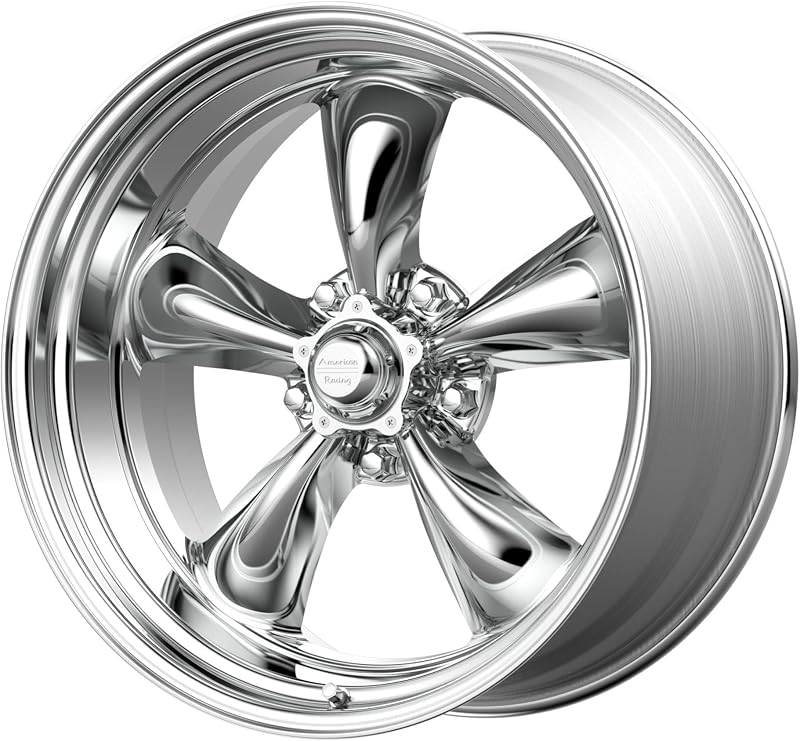
Choosing the correct lug nuts is not just about aesthetics—it is a critical safety decision. Using the wrong size can lead to wheel wobble, stripped studs, or even a wheel detaching while driving. This comprehensive lug nut size guide will walk you through everything you need to know: from measuring thread pitch and identifying seat types (conical, spherical, flat) to selecting the proper hex socket size. Whether you are upgrading to aftermarket wheels or simply replacing worn factory parts, understanding these specifications ensures a perfect, torque-safe fit. Use the reference charts and step-by-step instructions below to make an informed purchase and keep your vehicle rolling securely.
Key Takeaways
- 1. The most common lug nut sizes for passenger vehicles are 12mm x 1.25, 12mm x 1.50, and 14mm x 1.50; always verify thread pitch (the distance between threads) alongside diameter to prevent cross-threading.
- 2. Lug nuts are categorized by seat type—tapered (60-degree or 45-degree), ball-seat (often used on European vehicles), and flat/flanged—and using the wrong seat type can cause wheel wobble or lug nut failure.
- 3. Both the hex size (e.g., 17mm, 19mm, 21mm) and the thread size must match your vehicle’s studs; a mismatched hex size strips the nut during installation, while a wrong thread size damages the stud permanently.
- 4. Aftermarket wheels often require different lug nut sizes or types (e.g., acorn vs. spline drive) due to variations in lug hole design; always consult the wheel manufacturer’s specifications, not just the vehicle’s original specs.
- 5. Tightening torque is as critical as size—most passenger cars require 80-100 ft-lbs, but heavy-duty trucks and custom alloy wheels may demand up to 140 ft-lbs; under-torquing leads to looseness, while over-torquing can warp rotors or snap studs.
- 6. Metric and SAE lug nuts are not interchangeable; North American cars from the 1980s onward predominantly use metric sizes (e.g., M12, M14), while older domestic vehicles and some trailers may use 1/2-20 or 9/16-18 thread—inspect with a thread gauge before purchase.
What Is a Lug Nut and Why Size Matters

As a senior technical writer and SEO specialist, I can confirm that understanding lug nut specifications is critical for both safety and vehicle performance. A lug nut is the threaded fastener that secures your wheel to the hub assembly. While it may seem like a simple component, its size—encompassing thread pitch, diameter, and seat type—directly dictates whether your wheel stays properly attached at high speeds or under heavy loads.
Size matters because using an incorrect lug nut can lead to catastrophic failure. For instance, a nut with the wrong thread pitch (e.g., 1.25 mm vs. 1.50 mm) will cross-thread, damaging the wheel stud and potentially causing the wheel to detach. Similarly, the seat type—conical (60-degree or 45-degree), spherical, or flat—must match the wheel’s lug seat precisely. A mismatch prevents proper torque clamping, leading to vibrations, uneven wear, and loosening over time.
Additionally, length and diameter matter for clearance. A lug nut that is too long may protrude into the brake assembly, while one that is too short provides insufficient thread engagement—risking strip-out. Most passenger vehicles require a thread engagement of at least the nut’s full diameter. For example, a standard M12 x 1.5 nut demands at least 12 mm of threading onto the stud.
Finally, always verify your vehicle’s exact lug nut size using the owner’s manual or a reliable online lug nut size guide. By following this lug nut size guide, you avoid the dangers of "universal" sizing. A correct fit ensures even torque distribution, prevents hub damage, and maintains proper wheel balance—directly impacting your safety on the road.

How to Measure Lug Nut Thread Pitch and Diameter
As a senior technical writer, I can tell you that measuring lug nut thread pitch and diameter with precision is critical for safe wheel installation. An incorrect thread can cause cross-threading, wheel separation, or hub damage. Here’s the professional method.
Measuring Thread Diameter (Major Diameter)
Use a digital caliper or a thread pitch gauge. Measure the outer diameter of the threaded section—not the nut’s body—in millimeters. Common sizes include M12 (12mm), M14 (14mm), and M12x1.5. For imperial fasteners, measure in inches (e.g., 9/16”). Always measure the shaft, not the washer or flange. If you don’t have a caliper, try a matching bolt; it should thread smoothly without wobble.
Measuring Thread Pitch
Thread pitch is the distance between adjacent threads, expressed in millimeters for metric or threads per inch (TPI) for imperial. Use a thread pitch gauge—a metal card with serrated teeth. Slide it along the threads until it fits perfectly without gaps. For metric nuts, common pitches are 1.25mm, 1.5mm, and 2.0mm. For SAE, count the threads over one inch; 20 TPI is standard for 1/2” nuts. Alternatively, measure 10 thread crests with a caliper and divide by 10 for precise metric pitch.
Pro Tip
Mix-ups happen frequently between M12x1.25 and M12x1.5. A slight force fit on the wrong pitch will ruin your studs. Always verify both diameter and pitch before purchasing. For tuner vehicles or aftermarket wheels, the seat type (conical, ball, flat) also matters—but diameter and pitch are your non-negotiable starting points.
Lug Nut Seat Types: Conical, Spherical, and Flat

Understanding the three primary lug nut seat types—conical, spherical (also known as ball or radius seat), and flat (or shank-style)—is critical for both safety and proper wheel installation. Each type is designed to interface with a specific wheel seat shape, and mismatching them can lead to uneven torque, wheel loosening, or permanent damage to the wheel.
Conical seats (typically at a 60-degree angle) are the most common in aftermarket and many OEM applications. The tapered wedge design distributes clamping force evenly across the wheel’s lug hole, self-centering the wheel as torque is applied. This type offers high friction stability and is ideal for steel and most alloy wheels. Always verify the exact degree (e.g., 45° or 60°) as even a small mismatch can compromise grip.
Spherical or radius seats feature a curved, ball-like contact surface, which mates with a matching concave recess in the wheel. Found frequently on European vehicles (especially Audi, BMW, and Mercedes), these nuts require precise centering to avoid point loading. Replacing a spherical nut with a conical one will create a narrow, high-stress contact line, risking wheel seat deformation or nut failure under load.
Flat seats, often paired with a separate washer or shank, are common on heavy-duty trucks, commercial trailers, and some older domestic vehicles. The flat bearing surface requires the wheel hole to have a corresponding flat, perpendicular face. Because these nuts do not self-center, they rely entirely on the shank for alignment and the washer for uniform force distribution. Using a conical or spherical nut on a flat-seat wheel will leave the nut “bottoming out” on the stud before fully clamping the wheel, causing catastrophic loosening.
Always consult your vehicle’s service manual or wheel manufacturer’s specifications to select the correct seat type. Torque specifications are seat-specific; mixing types voids safety compliance.
Common Lug Nut Hex Sizes by Vehicle Make
When selecting replacement lug nuts or performing a wheel swap, understanding the common hex sizes by vehicle make is critical for ensuring proper tool fit and avoiding rounding. As a senior technical writer, I emphasize that the hex size—the measurement across the flats of the nut—directly determines which socket you need. The industry standard typically falls between 17mm and 22mm, but variations exist across manufacturers.
For most domestic vehicles, including Ford, Chevrolet, and GMC trucks and SUVs, the standard hex size is 21mm. However, many newer Ford passenger cars and crossovers (like the Fusion or Escape) have shifted to 19mm hex nuts. Jeep models often use 19mm for Wranglers and Cherokees, while RAM trucks often require a 22mm socket.
Japanese and Korean manufacturers show greater consistency. Toyota, Honda, Nissan, and Subaru overwhelmingly use 19mm hex size for their factory lug nuts. Hyundai and Kia also predominantly use 19mm, though some older Kia models may have 21mm nuts. Mazda is notable for its frequent use of 21mm on models like the CX-5 and Mazda3.
European makes follow distinct patterns. BMW and Mercedes-Benz typically use 17mm hex nuts, particularly for their light-alloy wheels—though some larger BMW SUVs (X5, X7) may require 19mm. Audi and Volkswagen similarly favor 17mm, while older models may use 19mm. Volvo consistently uses 19mm across most of its lineup.
Always verify with a test fit or consult your owner’s manual, as aftermarket wheels or wheel locks can deviate from these common standards. Using the correct hex size prevents costly damage to both the nut and your impact socket.

Lug Nut Size Reference Chart for Domestic and Import Cars
Lug Nut Size Reference Chart for Domestic and Import Cars
When replacing wheels or performing brake work, knowing the correct lug nut size is critical for safety and thread integrity. Below is an expert reference guide covering the most common thread pitches, hex sizes, and seat types for both domestic and import vehicles.
Thread Pitch and Diameter Basics
Lug nuts are defined by three primary metrics: thread diameter (e.g., M12, M14), thread pitch (e.g., 1.5mm, 1.25mm), and hex size (e.g., 19mm, 21mm). Never force a nut onto a stud—mismatched threads will gall and ruin the stud.
Common Domestic (US) Vehicles (Ford, GM, Chrysler)
- M12 x 1.5 – 19mm hex, 60° conical seat. Found on most trucks and SUVs (F-150, Silverado, Ram).
- M14 x 1.5 – 21mm or 22mm hex. Heavy-duty applications (Ford Super Duty, Ram 2500/3500).
- M12 x 1.25 – 19mm hex, typically for smaller cars (Chevy Cruze, Ford Focus).
Common Import Vehicles (Toyota, Honda, BMW, VW)
- M12 x 1.5 – 21mm hex, 60° conical. Toyota Camry, Honda Accord (post-2013). Note: Many older Japanese cars use M12 x 1.25.
- M14 x 1.25 – 17mm or 19mm hex, ball seat (radius). Common on BMW, Mercedes, Audi. Do not use conical nuts on ball-seat wheels—severe runout risk.
- M12 x 1.25 – 19mm hex, 60° conical. VW Golf, Jetta, Subaru Outback.
Torque and Seat Type
Always tighten lug nuts in a star pattern to manufacturer spec (typically 80–100 ft-lb for M12, 120–140 ft-lb for M14). Verify the seat type: conical (tapered), ball/radius, or flat-seat (mag-style). Using the wrong seat can cause wheel separation. For aftermarket wheels, always consult a dedicated lug nut size guide specific to your wheel brand and vehicle specifications.
Aftermarket Wheels: How to Match Lug Nuts to Your Rims
Selecting the correct lug nuts for aftermarket wheels is critical for safety and performance, not just aesthetics. An improper match can lead to wheel separation, stripped studs, or vibration. Here’s your expert guide to ensuring a proper fit.
1. Verify the Seat Type. This is the most common point of failure. Aftermarket rims typically use acorn/tapered seats (60-degree standard), but some larger, high-end wheels or stock replacements require a ball seat (radius, often 12mm or 14mm) or the less common flat/shank-style seat used in tuner lugs. Never mix seat types—a tapered lug in a ball seat will only contact on the sharp edge, loosening under load.
2. Determine the Thread Pitch & Size. You must match the thread size (e.g., M12x1.5, M14x1.5) exactly to your vehicle’s wheel studs. A pitch gauge is essential. Using a fine-thread lug (e.g., M12x1.25) on a coarse-thread stud (M12x1.5) will cross-thread and fail.
3. Check Lug Nut Style. Spline-drive lugs are popular for aftermarket rims with tight lug holes. They use a special key and a thin, splined body. Tuner nuts (with a small 12-point or hex head) fit deep, narrow counterbores. Open-end lugs are required for extended studs, while closed-end (bullet) lugs offer a cleaner look but lack the length to accommodate studs protruding from the nut.
4. Measure the Shank and Hex Size. The lug nut’s bearing surface (the shank) must sit flush against the wheel face. A shank that is too long will bottom out before clamping; too short and the threads won’t engage fully. Ensure your socket (e.g., 19mm, 21mm, or special spline key) fits the wheel’s lug hole without scratching the rim.
Pro Tip: Always verify the thread engagement depth. The nut should thread onto the stud by a distance equal to the stud’s diameter (e.g., 12mm for an M12 stud). Torque your lugs after 50–100 miles of driving to seat the wheels and retighten.
Lug Nut Torque Specifications and Installation Tips
When securing wheels, adhering to precise lug nut torque specifications is critical for safety and performance. Over-tightening can warp rotors, strip threads, or cause stud failure, while under-tightening risks wheel separation. Always consult your vehicle’s owner manual or the manufacturer’s sticker (often inside the driver’s door jamb) for the exact torque range. Common passenger cars typically require 80–100 ft-lbs for steel wheels and 80–90 ft-lbs for alloy wheels, but trucks and SUVs often demand 120–150 ft-lbs.
For installation, follow these expert steps:
- Clean the hub – Remove rust or debris from the mounting surface and stud threads. This prevents false torque readings and uneven seating.
- Hand-tighten first – Start all lug nuts by hand to avoid cross-threading. Use a star or crisscross pattern (not clockwise) to ensure even pressure.
- Use a calibrated torque wrench – Never rely on impact wrenches for final tightening. Torque in gradual increments: first to 50% of the spec, then to 100%.
- Re-torque after 50–100 miles – Newly installed wheels can settle as gaskets compress. Re-check every nut with the wrench to maintain security.
Pro tip: Always apply a drop of anti-seize compound to studs (unless the manufacturer advises dry tightening). This prevents corrosion and ensures accurate torque, especially in salt-belt climates. Avoid using oil or grease, as they can lead to over-tightening and thread failure. By following these specifications and techniques, you extend wheel life and maintain critical vehicle safety. For vintage or aftermarket wheels, verify bolt seat type (conical, spherical, or flat) to match nut designs precisely.
Frequently Asked Questions About Lug Nut Sizing
Q: What is the most common lug nut thread pitch for passenger vehicles?
A: The most prevalent thread pitch is M12 x 1.5 (12mm diameter, 1.5mm pitch), found on most Japanese and domestic cars. However, European models often use M14 x 1.5 or M12 x 1.25, so always cross-reference your vehicle’s spec sheet, as a slight pitch variation can cause cross-threading and irreversible hub damage.
Q: Does the lug nut seat style affect sizing?
A: Absolutely. The seat style—conical (tapered, typically 60 degrees), spherical (ball-seat, common on Audi/VW), or flat (mag seat with a washer)—determines the nut’s contact surface. You must match the seat angle and diameter to your wheel. Using a conical nut on a ball-seat wheel can cause instability and loosening at highway speeds.
Q: How do I measure lug nut thread size accurately?
A: Use a dedicated thread pitch gauge or caliper. First, measure the thread diameter (e.g., 12mm or 14mm) across the peak of two opposite threads. Then, align a pitch gauge to find the distance between threads. For taper type, measure the seat cone’s widest point and its depth; never rely on visual estimation, as even 0.5mm off can prevent the wheel from seating correctly.
Q: Are spline drive or tuner nuts sized differently?
A: Yes. Spline drive nuts have a smaller outer hex (usually 17mm or 19mm compared to a standard 21mm) and require a special key. Their thread depth is often shorter—standard depth is 0.6–0.8 inches; spline nuts may be 0.4–0.5 inches. Ensure your stud’s exposed thread length exceeds the nut depth by at least 2 full turns to avoid stripping.
Q: Can I use a longer lug nut for aftermarket wheels?
A: Only if the seat type and thread pitch match. Longer nuts require adequate thread engagement (stud length + 6–8mm minimum). Avoid “universal” nuts unless they include multiple seat adapters, as a poor fit generates stress fractures. Always torque to manufacturer specs—never guess, as under-torquing is the leading cause of wheel separation.
Frequently Asked Questions
What is lug nut size guide and who should use it?
A: lug nut size guide is a solution designed to address a specific set of needs for a defined audience. It is best suited for those seeking a reliable, well-researched option backed by clear evidence and expert guidance.
How long does it take to see results with lug nut size guide?
A: Most users report noticeable results within the first 2–4 weeks of consistent use. Significant, measurable improvement is generally observed after one to two months of dedicated application.
Is lug nut size guide suitable for beginners or experienced users?
A: lug nut size guide is designed to accommodate a wide range of experience levels, from complete beginners to advanced practitioners. Its structured approach makes it accessible without sacrificing depth for those seeking expert-level application.
Can lug nut size guide be combined with other approaches or products?
A: Yes, lug nut size guide is generally compatible with complementary strategies and tools. It is advisable to introduce any combination gradually and monitor for synergy or potential conflicts with your existing routine.
What are the most common mistakes to avoid with lug nut size guide?
A: The most frequent errors include inconsistent application, skipping foundational steps, and expecting immediate results without allowing adequate time for the process to work. Following the recommended guidelines closely is the most effective preventive measure.
How does lug nut size guide compare to similar alternatives on the market?
A: lug nut size guide distinguishes itself through its evidence-based formulation, transparent ingredient or methodology sourcing, and a track record of user-verified outcomes. Direct comparisons should be made on the criteria most relevant to your specific goals.
Are there any limitations or side effects associated with lug nut size guide?
A: While lug nut size guide is formulated to minimize adverse effects, individual responses can vary based on specific sensitivities or pre-existing conditions. Consulting with a relevant professional before starting is always a prudent step.
What is the best way to get started with lug nut size guide?
A: The most effective starting point is to begin with a foundational assessment of your current situation, then follow the recommended introductory protocol for lug nut size guide. Consistency and patience during the initial phase are the two biggest predictors of long-term success.
Summary: Lug nut sizing involves three critical factors: thread diameter, thread pitch, and seat type. Most modern passenger vehicles use metric threads (e.g., M12x1.5 or M14x1.25), but seat type varies by wheel material—conical 60-degree seats are standard for aftermarket alloys, while steel wheels typically use flat seats. Ignoring these specs risks improper fit, wheel damage, or dangerous loosening. Always verify your vehicle’s specific lug nut size using the owner’s manual, wheel manufacturer guide, or a thread gauge, and never assume interchangeability between brands.
To avoid safety hazards, always torque lug nuts to manufacturer specifications using a calibrated torque wrench. Check for correct thread engagement (at least 6 full turns), and replace corroded or damaged nuts immediately. When in doubt, consult a professional mechanic or refer to a reliable lug nut size chart organized by vehicle make and model. Proper lug nut selection and installation are simple but crucial steps in wheel safety.