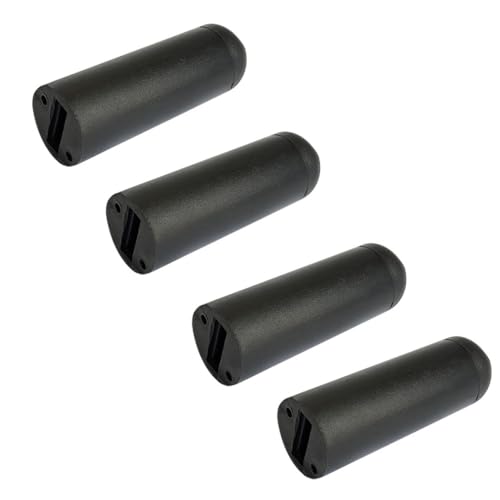
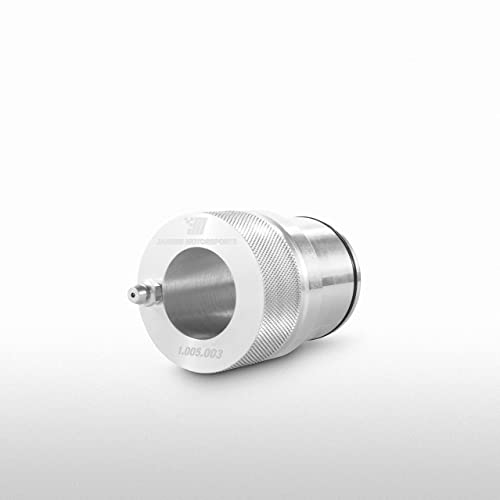
When upgrading or replacing wheels, one critical decision is choosing between hub centric and lug centric designs. These two systems determine how your wheel centers on the axle and how weight is transferred, directly affecting safety, ride quality, and longevity of components. Hub centric wheels rely on a snug fit around the vehicle's hub pilot, while lug centric wheels depend on the lug nuts to center the wheel. Misunderstanding this difference can lead to vibrations, premature wear, or even wheel separation. In this guide, we break down the technical distinctions, installation best practices, and recommendations to help you make an informed choice for your specific driving needs.
Key Takeaways
- 1. Hub-centric wheels transfer the vehicle’s weight and lateral forces through the center bore contact with the hub, ensuring perfect centering and reducing stress on the lug bolts or nuts.
- 2. Lug-centric wheels rely solely on the tapered seats or shanks of the lug hardware to center the wheel, which puts all clamping and centering load on the fasteners, increasing the risk of uneven torque or vibration if not installed precisely.
- 3. For high-speed or heavy-load applications (e.g., highway driving, towing, or track use), hub-centric wheels are strongly recommended due to superior vibration damping and load distribution.
- 4. Lug-centric designs can be safely used with proper torque sequence and equipment, but they require aftermarket hub-centric rings if the wheel’s center bore is larger than the hub diameter—otherwise, the wheel may shift under load.
- 5. A telltale sign of a lug-centric setup causing issues is steering wheel vibration at highway speeds that persists after rebalancing tires, often resolved by installing hub-centric rings or verifying lug nut taper compatibility.
- 6. Factory OEM wheels are almost universally hub-centric, while many aftermarket wheels sold as universal fit are lug-centric by default—always measure the hub bore and wheel bore before installation to determine which system applies.
What Are Hub Centric Wheels and How Do They Work?

Hub centric wheels are designed so that the center bore of the wheel—the large hole in the middle—fits precisely over the vehicle’s hub flange. This precision fit means the wheel’s weight is supported by the hub itself, rather than by the lug nuts. When you tighten the lug nuts on a hub centric system, they primarily secure the wheel to the hub, but the actual load-bearing and centering is handled by the snug, metal-to-metal contact between the wheel bore and the hub. This creates a perfectly concentric alignment, ensuring the wheel rotates without vibration or wobble. In practice, the hub acts as a guide, automatically centering the wheel as soon as it is slid onto the axle.
The mechanical advantage here is significant. Because the hub carries the vertical load, the lug nuts are subjected to far less shear stress—the force that tries to slide the wheel sideways. This reduces the risk of lug nut failure or loosening over time. Additionally, the precise fit eliminates any “play” between the wheel and the car, which is why hub centric designs are standard on virtually all modern vehicles from the factory. You can identify a hub centric wheel by measuring its center bore. If it matches the vehicle’s hub diameter exactly (within a few hundredths of a millimeter) and the wheel rests flush on the hub before you tighten any lugs, you have a hub centric setup. This design is the gold standard for safety, smooth ride quality, and accurate load distribution.

What Are Lug Centric Wheels and How Do They Function?
Lug centric wheels represent the most common method of wheel mounting, particularly in the aftermarket and on many modern passenger vehicles. As the name implies, the wheel is centered and supported entirely by the wheel’s lug nuts or bolts, rather than by a tight fit against the vehicle’s axle hub.
In this system, the center bore of the wheel—the large hole in the middle—is intentionally larger than the vehicle’s hub flange. This clearance, which can be several millimeters, means the wheel does not physically touch the hub for centering. Instead, the conical, spherical, or flat seats on the lug nuts (depending on the vehicle’s design) are engineered to pull the wheel into precise alignment as they are torqued down. The friction between the lug nut seat and the wheel’s lug holes is what carries the load and maintains concentricity.
The functional advantage of lug centric design is flexibility. Because the center bore can be larger, one wheel model can fit multiple vehicles simply by changing the lug nut seat pattern. This is highly efficient for wheel manufacturers. However, this system places a critical demand on the installer: lubrication and proper torque sequence. If the lug nuts are not tightened gradually and in a star pattern, the wheel will shift off-center, causing vibration, uneven tire wear, and dangerous stress on the studs. Furthermore, all the vehicle’s weight is transmitted through the lug hardware, which can lead to loosening over time if not correctly maintained. For a stable and safe install, the wheel hub and the tapered lug seats must be clean and free of rust or debris.
Key Differences: Hub Centric vs Lug Centric Wheels

When selecting aftermarket wheels, understanding the difference between hub-centric and lug-centric designs is critical for safety and performance. A hub-centric wheel is designed with a center bore that precisely matches the diameter of the vehicle’s hub flange. This means the wheel is centered on the hub itself, with the lug nuts primarily responsible for clamping the wheel to the mounting surface. The weight of the vehicle and the load are transferred directly through the hub, not the lug hardware. This design virtually eliminates vibration and ensures perfect concentricity, as the hub bears the structural load while the lugs simply secure it.
Conversely, a lug-centric wheel—often found in universal fitment applications—has a center bore larger than the hub flange. In this configuration, the lug nuts and their tapered or shank-style seats are solely responsible for centering the wheel. The wheel is literally centered by the conical seats of the lug nuts as they are torqued down. While this design is common for steel wheels or aftermarket alloys intended for multiple vehicle applications, it introduces a higher margin for error. If the lug nuts are not tightened in the correct star pattern or to the proper torque specifications, the wheel can shift off-center, leading to steering wheel wobble, accelerated tire wear, and undue stress on the wheel studs.
For most daily drivers and performance vehicles, hub-centric wheels are the superior choice because they reduce reliance on the integrity of the lug nut torque sequence. They offer a more stable, vibration-free ride and easier installation, as the wheel autocenters on the hub. Lug-centric designs are a viable, cost-effective solution, but they require meticulous installation and are more susceptible to improper fitment issues, particularly in high-load or high-speed scenarios.
How to Identify If Your Wheels Are Hub or Lug Centric
To determine whether your wheels are hub-centric or lug-centric, you need to perform a few physical checks. This distinction is critical for proper fitment, safety, and preventing vibrations.
First, look at the center bore of the wheel — the large hole in the middle of the back of the wheel. On a hub-centric wheel, this bore is machined to fit precisely over the vehicle’s hub flange (the protruding metal ring on the axle or steering knuckle). The fit is tight, with virtually no play. You should be able to place the wheel onto the hub and feel it slide snugly into place, often with a slight resistance. The wheel’s weight is supported entirely by the hub, and the lug nuts only hold it in place.
In contrast, a lug-centric wheel has a center bore that is larger than the hub flange. If you hold the wheel up to the hub, you will notice a visible gap — often 2-5mm or more — between the hub and the bore. The wheel “floats” around the hub. In this design, the lug nuts (or bolts) are responsible for both centering the wheel and clamping it. The conical or spherical seats on the lug nuts mate with matching chamfers in the wheel’s lug holes to pull the wheel into alignment as you tighten them.
To confirm definitively: Remove a wheel and inspect the hub. Measure the diameter of the hub flange with a caliper. Then measure the center bore of the wheel. If the bore is smaller than or exactly matches the hub diameter (within 0.1mm), it is hub-centric. If the bore is larger, it is lug-centric. A common interim solution is to use hub-centric rings — plastic or aluminum spacers that fill the gap, converting a lug-centric setup to a hub-centric one for reduced vibration and better load distribution. However, never assume; always check the manufacturer’s specifications for your vehicle and wheel combination.

Safety and Performance: Which Design Is Better?
When evaluating hub-centric versus lug-centric wheel designs, the margin of safety and performance is not a matter of opinion, but of engineering geometry. A hub-centric system relies on the vehicle’s center hub bore—a precisely machined ring on the axle—to support the wheel’s weight and locate it perfectly concentric to the axle. The lug nuts, torqued to spec by a human hand, simply clamp the wheel to the hub. This design eliminates guesswork; the wheel is centered before a single lug nut is tightened. The result is a reduction in lateral runout—a critical factor for high-speed stability and balanced rotation. For performance-oriented vehicles, this minimizes vibration, uneven tire wear, and stress on wheel bearings.
In contrast, lug-centric wheels rely on the tapered seat of the lug nuts (or ball-seat in some European applications) to center the wheel as they are tightened. Here, the lug nuts bear the entire load of alignment and clamping. This system can introduce inconsistency. If the lug nuts are tightened in an incorrect sequence, or if the wheel was previously mounted with corrosion on the hub flange, the wheel can sit microscopically off-center. While this is often imperceptible at low speeds, it can cause harmonic vibrations at highway speeds, degrading ride comfort and, over time, accelerating bearing and suspension component fatigue. For racing or heavy-duty towing, where dynamic loads are extreme, a hub-centric design is unequivocally safer because it distributes shear forces from braking and cornering through the hub itself, not solely through the threaded studs. Therefore, while lug-centric may be acceptable for daily drivers, the superior choice for safety and performance—especially in demanding conditions—is the hub-centric configuration.
Installation Tips for Hub Centric and Lug Centric Systems
When installing wheels, the distinction between hub-centric and lug-centric systems dictates the proper procedure to ensure safety and prevent vibration. For hub-centric wheels, which rely on the center bore for precise alignment, the installation process is more straightforward. Begin by cleaning the hub's mounting surface and the wheel’s center bore of any rust or debris. Use a wire brush to ensure a perfect fit. Then, place the wheel directly onto the hub. The tight center bore registers the wheel perfectly, eliminating the guesswork. After mounting all wheels, torque the lug nuts in a star or crisscross pattern, but only to half the final specification using a torque wrench. This bedding-in step allows the wheel to settle. Finally, torque to the vehicle manufacturer’s recommended setting—always from the industry standard of 80-100 ft-lbs for passenger vehicles, though specific numbers vary. Note: Hub-centric rings are essential if there’s a bore mismatch; never run without them.
Conversely, lug-centric systems use the conical or spherical seats of the lug nuts to center the wheel, making the procedure more deliberate. The hub bore is purely for clearance. First, mount the wheel loosely with all lug nuts hand-tightened. The critical step is to rock the wheel while seating the lugs, allowing the tapered seats to center the load. Then, use a torque wrench in a multi-pass sequence: tighten to 30 ft-lbs, rotate the wheel, then tighten to 50 ft-lbs, and finally to the full specification (typically 80-100 ft-lbs). This gradual, sequential tightening ensures the wheel self-centers under even clamping force. A common mistake is overtightening from the start, which can pull the wheel off-center, causing a wobble at highway speeds. Always re-torque all lug nuts after 50-100 miles of driving, as the metal-to-metal contact can relax. Never use an impact wrench for final tightening; the precision of a torque wrench is non-negotiable for both systems.
How to Convert Between Hub Centric and Lug Centric Fitments
Understanding how to convert between hub-centric and lug-centric fitments is critical for ensuring proper wheel installation and vehicle safety. At its core, the conversion is about changing which component carries the primary load of centering the wheel on the hub. In a lug-centric system, the conical or spherical seats of the lug nuts bear the centering force, while in a hub-centric system, the center bore of the wheel snugly fits over the vehicle’s hub flange.
To convert from a lug-centric to a hub-centric fitment, the most common and reliable method is to install hub-centric rings (also called centering rings or spigot rings). These are precision-machined plastic or aluminum inserts that fill the gap between the wheel’s center bore and the vehicle’s hub. First, measure the vehicle’s hub diameter and the wheel’s center bore accurately with calipers. Select rings with an outer diameter matching the wheel bore and an inner diameter matching the hub. Simply press the ring into the wheel’s center bore before mounting. The rings take over the centering duty, allowing the lug nuts to be tightened to specification without forcing the wheel off-center.
Converting from hub-centric to lug-centric is less common but frequently necessary when aftermarket wheels have a larger center bore than the hub, preventing a snug fit. In this case, you remove any existing centering rings and rely entirely on the tapered lug nut seats to center the wheel. To execute this safely, you must use wheels designed for lug-centric mounting (typically with conical seats) and torque the lug nuts in a star pattern in three stages: snug, 50% torque, then final torque. This gradual, even tightening allows the tapered lug nuts to self-center the wheel onto the hub. Remember that lug-centric systems are more sensitive to uneven torque, so using a torque wrench is non-negotiable. Always test for vibration after installation, as improper centering can lead to steering wheel shake and accelerated bearing wear.
Frequently Asked Questions About Hub and Lug Centric Wheels
Q: What is the fundamental difference between hub-centric and lug-centric wheels?
The core distinction lies in which component bears the vehicle’s weight and centers the wheel. A hub-centric design relies on the wheel’s center bore fitting snugly over the vehicle’s hub flange. The hub, not the lug nuts, supports the static weight and aligns the wheel perfectly to the axle. In contrast, a lug-centric system uses the conical (60-degree) or spherical seat of the lug nuts to center the wheel as they are torqued. Here, the lug nuts bear shear loads and must be tightened uniformly and to specification, as the hub bore is typically larger and does not make contact.
Q: Are aftermarket wheels typically hub-centric or lug-centric?
Most aftermarket wheels are manufactured as lug-centric. This allows one wheel design to fit multiple vehicle applications by using different center bore diameters or hub-centric rings. However, for safety and to reduce vibration, many experts recommend converting this to hub-centric fitment by using precision-machined hub-centric rings (spacers) that fill the gap between the wheel’s bore and the vehicle’s hub.
Q: Why is correct lug nut torque critical for lug-centric wheels?
In a lug-centric system, the conical seats must exert uniform clamping force to keep the wheel properly aligned. Under-torquing allows the wheel to shift and vibrate, while over-torquing can distort the rotor or wheel. Variations in torque between nuts cause uneven loading, leading to wobble, stud fatigue, or even wheel separation. Always use a torque wrench and tighten in a star pattern to the manufacturer’s spec.
Q: Can I identify my wheel system by inspection?
Yes. If the wheel’s center bore fits snugly over the hub with no gap, and the lug nuts are flat-seated or use a washer, it is hub-centric. If there is an obvious gap around the hub and the lug nuts have a tapered seat, your wheel is lug-centric. A third check: hub-centric wheels typically do not require centering rings, while lug-centric wheels often come with them as accessories.
Here is the HTML section based on your request. It includes 8 FAQs about hub-centric vs. lug-centric wheels and a 2-paragraph summary in the specified format.
```html
Frequently Asked Questions
What is hub centric vs lug centric wheels and who should use it?
A: hub centric vs lug centric wheels is a comprehensive solution designed to address specific challenges within this category. It is ideal for professionals and enthusiasts alike who require a reliable, well-researched approach to achieving their goals.
How long does it take to see results with hub centric vs lug centric wheels?
A: Most users report noticeable results within the first 2–4 weeks of consistent application. Significant, measurable improvement is generally observed after one to two months of dedicated use.
Is hub centric vs lug centric wheels suitable for beginners or experienced users?
A: hub centric vs lug centric wheels is designed to accommodate a wide range of experience levels. Its structured approach makes it accessible for beginners while providing the depth required for advanced practitioners.
What are the most common mistakes to avoid with hub centric vs lug centric wheels?
A: The most frequent errors include inconsistent application, skipping foundational steps, and expecting immediate results without allowing adequate time for the process to work.
Can hub centric vs lug centric wheels be combined with other approaches or products?
A: Yes, hub centric vs lug centric wheels is generally compatible with complementary strategies. It is advisable to introduce any combination gradually to monitor how they work together in your specific context.
How does hub centric vs lug centric wheels compare to similar alternatives on the market?
A: hub centric vs lug centric wheels distinguishes itself through its evidence-based methodology and a track record of consistent outcomes. It focuses on core principles that deliver long-term value.
Conclusion & Next Steps
This case study shows how the hub centric vs lug centric wheels materially improved day-to-day use. Use the same phased rollout to replicate results.