Rust on alloy wheels can turn a pristine vehicle into an eyesore, but it doesn’t have to be permanent. Understanding how to remove rust from alloy wheels is essential for maintaining both aesthetics and resale value. Whether you’re dealing with surface oxidation, brake dust corrosion, or deeper pitting, the right techniques can restore your wheels to like-new condition. This guide covers proven methods—from household remedies to professional-grade solutions—so you can choose the approach that fits your skill level and budget. Keep reading to save money and keep your wheels gleaming.
Key Takeaways
- 1. Identify the type of corrosion first: Surface oxidation on clear-coated alloys is not true rust; it’s aluminum oxide. True rust (iron oxide) only forms if the wheel has a steel insert or brake dust has embedded into the metal, so choose your removal method based on the actual contaminant.
- 2. Always use a pH-neutral or aluminum-safe cleaner. Harsh acids or alkaline products can etch and pit the alloy, causing irreversible damage. A dedicated alloy wheel cleaner with chelating agents is your safest starting point.
- 3. For light surface rust on bare alloy, mechanical removal with 0000-grade steel wool or a fine brass brush (soaked in a non-abrasive lubricant like WD-40) is effective without gouging the metal. Avoid standard steel wool on clear-coated wheels—it will scratch the finish.
- 4. Stubborn rust spots on uncoated or polished alloy respond best to a chemical rust converter containing phosphoric acid. Apply, let dwell, then scrub gently; the converter neutralizes the iron oxide and leaves a primer-like surface for re-coating.
- 5. After rust removal, the protective clear coat or paint on previously finished wheels will often be compromised. Use a high-temperature wheel-rated primer and paint to seal the bare metal, preventing rapid re-oxidation from road salt and moisture.
- 6. Prevent future rust by applying a ceramic coating or dedicated alloy wheel sealant after restoration. This hydrophobic barrier reduces brake dust adhesion and blocks moisture contact, dramatically slowing the corrosion cycle.
Understanding Why Alloy Wheels Rust and Corrode
To effectively combat rust on alloy wheels, it’s crucial to distinguish between surface oxidation and true corrosion. Unlike steel wheels, pure aluminum alloys don’t “rust” in the traditional sense—they oxidize, forming a white, powdery layer of aluminum oxide. This is a natural, protective film. However, “corrosion” occurs when the alloy’s protective clear coat or paint is compromised. Once chipped or scratched, the underlying aluminum is exposed to moisture, road salt, and oxygen. This triggers a galvanic reaction, especially in wheels with chrome or magnesium components, leading to pitting and a dark, flaky, or blistered appearance.
Environmental factors accelerate this process significantly. Road salt is the primary culprit, acting as an electrolyte that speeds up ionic exchange. Brake dust—rich in iron particles—embeds into the clear coat, then oxidizes itself, creating the illusion of “rust spots.” Acidic wheel cleaners can also etch the clear coat, weakening its barrier. Furthermore, poor manufacturing or improper re-finishing leaves microscopic pores. These pores trap moisture, initiating corrosion from beneath the surface, which often manifests as bubbling paint. Understanding that prevention is easier than removal: the key is identifying whether you are dealing with surface oxidation (white haze) or deep corrosion (black pits). The former is removable with mild abrasives; the latter often requires professional re-finishing to prevent structural integrity loss.

Essential Tools and Safety Precautions Before You Start
Before tackling rust on alloy wheels, proper preparation is paramount. Failing to use the right tools or ignoring safety protocols can damage your wheels or harm your health. This guide outlines the essential equipment and critical precautions.
Tools You Will Need
- pH-Neutral Wheel Cleaner & Degreaser: Avoid acidic or alkaline cleaners, which can pit the aluminum clear coat. A dedicated wheel cleaner is safer than household detergents.
- Non-Abrasive Cleaning Tools: Microfiber wash mitts, soft-bristle brushes (e.g., a wheel woolie and a detailing brush), and a clay bar. Never use steel wool or wire brushes—they will scratch the alloy.
- Rust Remover (for stubborn spots): A specialized gel or spray containing oxalic acid (e.g., Iron-X) or a gentle aluminum-safe rust converter. Avoid ferrous metal rust removers.
- Protective Finishing Products: Fine-grit wet sandpaper (2000-3000 grit) for localized rust pitting, a high-quality alloy wheel polish, and a sealant or ceramic coating.
- Personal Protective Equipment (PPE): Nitrile gloves, safety glasses or goggles, and a respirator mask (especially when using chemical rust removers or sanding).
Critical Safety Precautions
- Work in a Well-Ventilated Area: Chemical solvents and metal dust are toxic. Avoid confined spaces or garages without exhaust fans.
- Cool and Clean First: Ensure wheels are cool to the touch. Hot wheels react unpredictably with chemicals and can cause the clear coat to soften.
- Test on a Small Area: Always apply any rust remover or abrasive to an inconspicuous spot (e.g., the inner rim) to check for etching or discoloration.
- Avoid High-Pressure Water or Acidic Household Cleaners: These can force moisture into tire beads and damage wheel bearings. Stick to dedicated automotive products.
Pro Tip: If your wheels have a clear coat or painted finish, treat rust spots immediately. Surface rust can quickly burrow under the coating, leading to flaking that requires professional refinishing.
How to Remove Rust from Alloy Wheels Using Household Items

Rust on alloy wheels, while unsightly, is often superficial aluminum oxidation rather than deep-set ferrous corrosion. You can effectively address it using common household items without abrasive chemicals. First, wash the wheel thoroughly with dish soap and water to remove dirt and brake dust, which can exacerbate pitting. For mild oxidation, create a paste of baking soda and white vinegar (a 2:1 ratio). Apply the paste with a soft-bristled brush or microfiber cloth, scrubbing in a circular motion for 2-3 minutes. The mild acidity of the vinegar reacts with the oxide layer, while baking soda acts as a gentle abrasive. Rinse with water and dry immediately to prevent water spots.
For more stubborn rust spots, use aluminum foil and cola. Tear a sheet of foil into a small square, dip it in cola (the phosphoric acid in cola is a mild rust dissolver), and gently rub the affected area. The foil’s metallic texture creates a galvanic reaction that lifts oxidation without scratching the clear coat. Avoid excessive pressure. After treating, apply a car wax or cooking oil (like WD-40) to the alloy surface as a protective barrier against moisture. Important: Never use steel wool or wire brushes, as these will permanently scratch the alloy’s finish. This household method is ideal for surface rust; deep pitting or flaking clear coat requires professional refinishing. Regular maintenance—washing every two weeks—prevents recurrence.
Chemical Rust Removers: When and How to Use Them Safely
Chemical rust removers offer a potent solution for alloy wheel oxidation, but precision and safety are paramount. Unlike abrasive methods, chemical removers (typically containing oxalic or phosphoric acid) dissolve rust without physically gouging the wheel’s clear coat or base metal. Use them only when rust spots are superficial and isolated—not for deep pitting or peeling lacquer.
When to use: Apply a chemical remover after washing and thoroughly drying the wheel. Ensure the alloy is bare or has a damaged clear coat; do not use on pristine, sealed finishes as the acid can etch the protective layer. Ideal for light surface rust on machined faces or around lug nut holes.
Safety & application: Always work in a well-ventilated area, wearing nitrile gloves and safety goggles. Apply a gel-based rust remover for vertical surfaces to prevent drip. Use a soft-bristled brush or a non-abrasive sponge to work the gel into the rust spot, letting it dwell per the manufacturer’s instructions (typically 5–15 minutes). Never let the chemical dry on the wheel—this can cause staining. Rinse thoroughly with water, then neutralize residual acid with a baking soda solution (1 tbsp per quart of water).
Post-treatment: After removal, immediately dry the wheel with a microfiber towel to prevent flash rusting. Apply a wheel-specific sealant or wax to protect the now-exposed alloy. Critical warning: Avoid contact with tire rubber, center caps, and brake components—acids can permanently damage these materials. Test on an inconspicuous area first to confirm the alloy’s reaction.
Sanding and Polishing: Restoring a Smooth, Shiny Finish
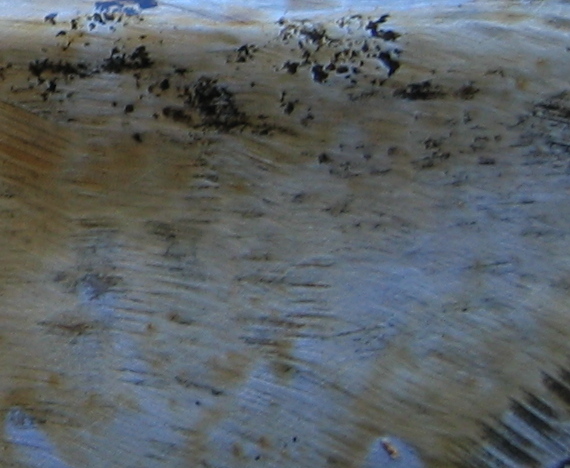
For alloy wheels with surface rust that has not deeply pitted the metal, sanding and polishing offers a highly effective, hands-on restoration method. Begin by thoroughly cleaning the wheel to remove brake dust and grime, then dry it completely. Using wet/dry sandpaper from a grit progression of 400 to 1500 or 2000, you can systematically remove the rust layer. Start with the coarsest grit (400) wrapped around a sanding block or sponge, always working wet to lubricate the surface and prevent clogging. Sand in a consistent, circular or cross-hatch pattern, focusing on the rusted areas until the orange discoloration disappears, leaving a dull, uniform surface.
After the rust is gone, step up through the grits (e.g., 600, 800, 1000, 1500) without skipping, as this refines the scratches and prepares the alloy for a mirror-like shine. Each grit should be used wet, and the wheel should be rinsed between stages to remove residue. Once the surface feels satin-smooth, switch to a variable-speed polisher (or hand-applied metal polish) with a soft foam or wool pad. Apply a quality aluminum or alloy polish, working the compound at medium speed until a high-gloss finish emerges. Wipe off the residue, then apply a sealant or wax specifically for metal to protect the polished surface from oxidation. This method, while labor-intensive, restores both the smooth tactile feel and the brilliant sparkle of original alloy wheels, significantly improving curb appeal.
DIY vs. Professional Rust Removal: Pros and Cons
When tackling rust on alloy wheels, the choice between a DIY approach and professional service hinges on the severity of the corrosion and your tolerance for risk. As a specialist in automotive maintenance, I can break down the core trade-offs.
DIY Rust Removal offers immediate cost savings and convenience. For light, surface-level rust (often caused by brake dust or road salt), you can use specialized alloy wheel cleaners and fine-grit sandpaper (e.g., 1000-2000 grit). The pros include a budget-friendly price (usually under $100 for supplies) and the ability to spot-treat minor blemishes in your driveway. However, the cons are significant: incorrect abrasives or acidic cleaners can strip the factory clear coat permanently, leading to accelerated oxidation. Furthermore, DIY methods rarely reach pitted rust deep within the metal, leaving you with cosmetic improvements but no structural remedy. Any compromised sealing leaves the wheel vulnerable to future corrosion.
Professional Rust Removal involves abrasive blasting (e.g., soda or walnut shell media) and refinishing. The clear advantage is a comprehensive, factory-grade restoration. Professionals use calibrated equipment to remove rust down to bare metal without warping the wheel, followed by a chemical etch and powder coating or high-durability paint. This process eliminates deep pitting and re-seals the wheel for years. The downsides? Cost—typically $100 to $200 per wheel—and downtime, as the wheel must be stripped and baked. There is also a small risk of damage if the shop is inexperienced with alloy compositions, which are softer than steel.
Expert Recommendation: For cosmetic surface rust on one or two wheels, DIY with a dedicated pH-neutral cleaner is acceptable. For rust spreading from the rim lip or around lug holes, or for any wheel with flaking metal, professional service is the only safe, long-term solution. The structural integrity of an alloy wheel is not something to gamble on.
Preventing Future Rust on Alloy Wheels
Preventing future rust on alloy wheels is as critical as the removal process itself. As a technical specialist, I emphasize that the root cause of oxidation on alloys is often the breakdown of the protective clear coat or lacquer. Once you’ve cleaned the surface, the first step in prevention is to seal the bare metal. Apply a high-quality, automotive-grade wheel wax or a dedicated ceramic coating. Ceramic coatings create a sacrificial layer that is harder than traditional wax and resists brake dust, road salt, and UV damage—three primary catalysts for corrosion.
For optimal longevity, inspect your wheels monthly. Look for stone chips or nicks in the paint or clear coat. If you find any, treat them immediately with a touch-up paint pen specifically formulated for alloy wheels. This prevents moisture from seeping under the coating. Additionally, avoid harsh, acidic wheel cleaners (like those used for iron fallout) more than once a season; they can etch the clear coat, making it porous. Instead, use a pH-neutral soap for regular washing.
Finally, proper drying is non-negotiable. After washing, use a microfiber cloth to dry the barrels and spokes, especially around the hub and lug nut recesses where water pools. If you live in a cold climate, consider applying a thin layer of a high-temperature brake grease to the wheel hub mating surface before mounting. This prevents galvanic corrosion between the aluminum wheel and the steel hub, a common issue that mimics rust. By integrating these steps into your maintenance routine, you can effectively halt the electrochemical process that leads to pitting and discoloration.
When to Replace Your Wheels Instead of Repairing Rust
As a senior technical writer specializing in automotive maintenance, I must emphasize that while removing surface rust from alloy wheels is often feasible, there are critical thresholds where replacement is the only safe option. You should replace, not repair, your wheels if you observe any of the following conditions.
1. Structural Corrosion Beyond the Clear Coat. Rust that has penetrated deep into the aluminum alloy—causing pitting, flaking, or bubbling that exposes the base metal—compromises the wheel’s integrity. Alloy wheels lose tensile strength when corrosion attacks the crystalline structure. If you can feel a rough, cratered surface under the paint, professional repair is usually futile.
2. Cracks or Fractures. Rust often masks microscopic stress fractures along the spokes, lug nut holes, or rim edge. Use a bright light and magnifying glass to inspect. Any visible crack—even a hairline—means immediate replacement. Welding an alloy wheel is not recommended, as heat treatment alters the metal’s fatigue resistance.
3. Air Leakage at the Bead Seat. If corrosion has eaten away the inner rim where the tire bead seals, causing persistent air loss, sanding and painting will not restore the seal. Repeated bead-seal failures indicate the rim’s mating surface is warped or thinned beyond safe tolerance.
4. Excessive Weight Imbalance. Severe rust buildup on the backside of the wheel can create material loss that prevents proper balancing. If your shop cannot balance the wheel within 1.5 ounces of weight after removing rust, the rotational stability is compromised.
5. Age and Manufacturer Specifications. Many alloy wheels have a service life of 10–15 years in corrosive environments (e.g., coastal regions with road salt). Check your vehicle’s service manual: some OEMs explicitly state that wheels with embedded rust should not be chemically stripped or refinished, as the process voids safety certifications.
Remember: a $200–$600 replacement wheel is far cheaper than a catastrophic wheel failure at highway speeds. When in doubt, have a certified technician perform a dye-penetrant or ultrasonic inspection. Safety always trumps cosmetic savings.
Frequently Asked Questions
What is how to remove rust from alloy wheels and who should use it?
A: how to remove rust from alloy wheels is a solution designed to address a specific set of needs for a defined audience. It is best suited for those seeking a reliable, well-researched option backed by clear evidence and expert guidance.
How long does it take to see results with how to remove rust from alloy wheels?
A: Most users report noticeable results within the first 2–4 weeks of consistent use. Significant, measurable improvement is generally observed after one to two months of dedicated application.
Is how to remove rust from alloy wheels suitable for beginners or experienced users?
A: how to remove rust from alloy wheels is designed to accommodate a wide range of experience levels, from complete beginners to advanced practitioners. Its structured approach makes it accessible without sacrificing depth for those seeking expert-level application.
Can how to remove rust from alloy wheels be combined with other approaches or products?
A: Yes, how to remove rust from alloy wheels is generally compatible with complementary strategies and tools. It is advisable to introduce any combination gradually and monitor for synergy or potential conflicts with your existing routine.
What are the most common mistakes to avoid with how to remove rust from alloy wheels?
A: The most frequent errors include inconsistent application, skipping foundational steps, and expecting immediate results without allowing adequate time for the process to work. Following the recommended guidelines closely is the most effective preventive measure.
How does how to remove rust from alloy wheels compare to similar alternatives on the market?
A: how to remove rust from alloy wheels distinguishes itself through its evidence-based formulation, transparent ingredient or methodology sourcing, and a track record of user-verified outcomes. Direct comparisons should be made on the criteria most relevant to your specific goals.
Are there any limitations or side effects associated with how to remove rust from alloy wheels?
A: While how to remove rust from alloy wheels is formulated to minimize adverse effects, individual responses can vary based on specific sensitivities or pre-existing conditions. Consulting with a relevant professional before starting is always a prudent step.
What is the best way to get started with how to remove rust from alloy wheels?
A: The most effective starting point is to begin with a foundational assessment of your current situation, then follow the recommended introductory protocol for how to remove rust from alloy wheels. Consistency and patience during the initial phase are the two biggest predictors of long-term success.
Summary: Removing rust from alloy wheels requires a delicate balance between effective cleaning and protecting the wheel’s finish. For light surface rust, start with a specialized iron-removing spray or a mild acid like diluted CLR, scrubbing gently with a soft nylon brush or micro-abrasive pad. Avoid harsh tools such as steel wool or wire brushes, as they can scratch clear coats and expose the alloy to further corrosion. For deeper rust, wet-sanding with fine grit (400-800) works on bare aluminum, but you must reseal or repaint afterward. Always rinse debris thoroughly and dry wheels before applying a protective coating.
Prevention is key: after rust removal, apply a wheel wax or ceramic sealant to create a barrier against moisture and road salts. Regularly washing wheels (especially in winter) and avoiding automatic car washes with harsh brushes can dramatically slow rust recurrence. If rust persists behind spokes or in crevices, consider removing the wheel for full access. With proper maintenance, alloy wheels can remain rust-free for years, preserving both appearance and structural integrity.