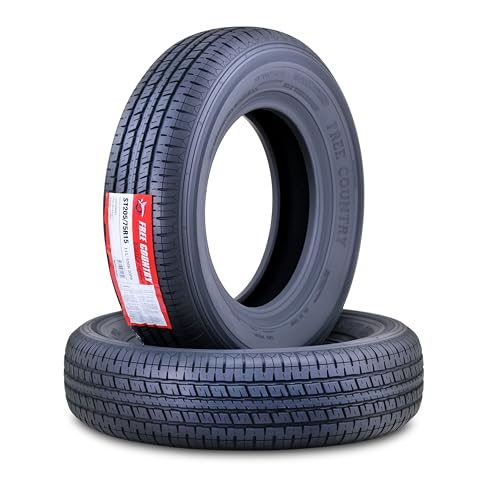
Modern vehicle safety relies heavily on your Tpms (Tire Pressure Monitoring System) to provide real-time data regarding tire inflation levels, ensuring optimal performance and fuel efficiency.
This guide is designed for car owners and DIY enthusiasts who want to understand the mechanics of their vehicle's safety hardware. It assumes a basic comfort level with automotive maintenance tools and terminology.
By the end of this guide, you will be able to interpret dashboard alerts, perform manual sensor resets, and distinguish between mechanical sensor failures and simple pressure fluctuations.
- Understanding the direct and indirect sensor types.
- The relationship between environmental temperature and pressure.
- How to properly reset the system after a tire rotation.
- Decoding common dashboard warning lights.
- When to consult a professional versus DIY repair.
Overview & Prerequisites

Required Tools and Equipment
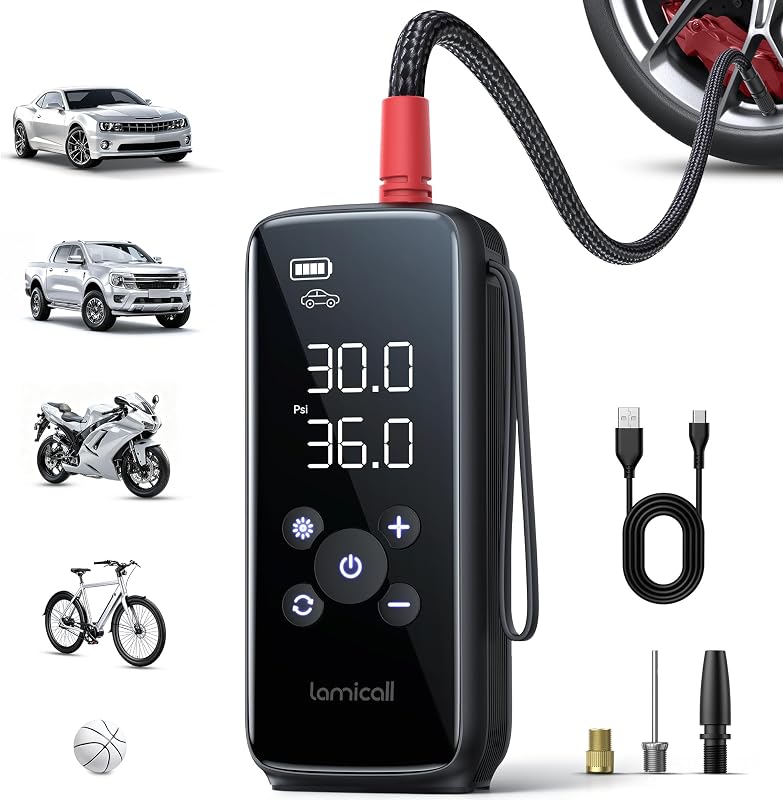
To interact with your monitoring system, you generally need a high-quality digital tire pressure gauge, a portable air compressor, and a basic understanding of your vehicle's specific owner's manual regarding reset procedures. For advanced users, an OBDII scan tool may be required.
Target Audience Requirements
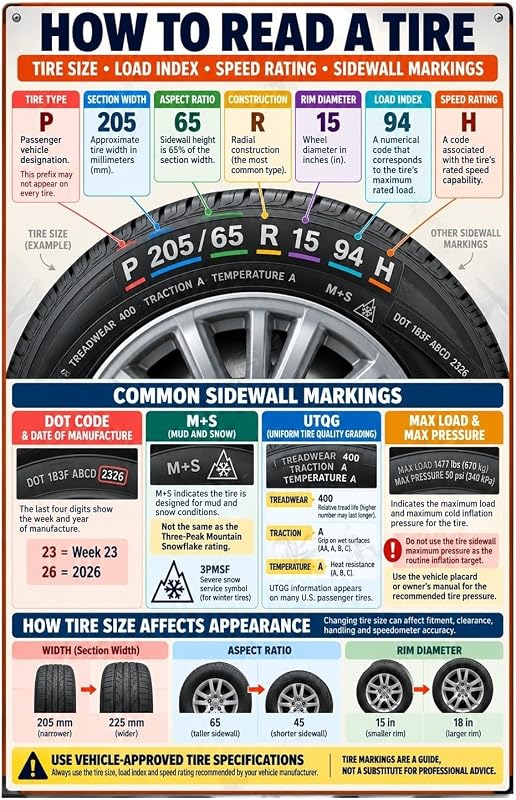
This content is intended for drivers who prefer proactive vehicle care. Before starting, ensure you have reviewed the Best Tire Load Rating Chart Options for Your Garage to confirm your tire specifications match manufacturer requirements.
Core Concepts & Fundamentals

Direct vs. Indirect Monitoring Systems
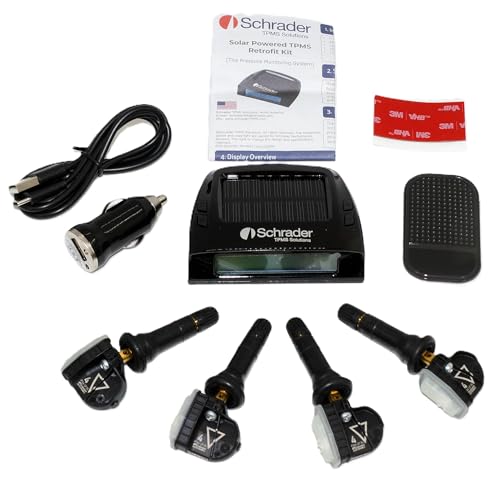
The Tpms architecture usually functions in one of two ways. Direct systems use physical sensors mounted inside the tire or valve stem to measure pressure. Indirect systems use the vehicle's Anti-lock Braking System (ABS) wheel speed sensors to detect if one tire is spinning faster than the others, implying a lower diameter caused by under-inflation.
The Impact of Temperature on Pressure
Gases expand when heated and contract when cooled. In many cases, a warning light may trigger on a cold morning because the air density inside the tire has dropped, even if there is no physical leak. Understanding this prevents unnecessary panic and shop visits.
| Correct Mental Model | Incorrect Mental Model |
|---|---|
| Pressure fluctuates with weather. | System is broken if light turns on during winter. |
| Sensors need battery replacement over time. | Sensors last forever without maintenance. |
You can learn more about vehicle health by reading Shock Absorber Maintenance: Signs You Need a Replacement and How to Improve Your Ride.
Step-by-Step Execution Guide

Preparation and Inspection
Start by verifying the recommended PSI (pounds per square inch) found on the placard inside your driver-side door jamb. Never rely on the maximum PSI printed on the tire sidewall.
Calibration and Reset Procedures
Recommended Equipment & Solution
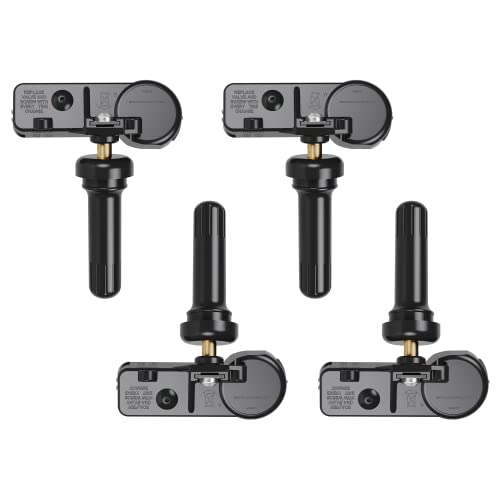
CDWTPS TPMS Sensors,GM 315Mhz Tire Pressure Monitoring
A reliable pick for CDWTPS TPMS Sensors,GM 315Mhz Tire, selected based on this article's guidance.

Autel MX TPMS Sensors, MaxiTPMS 315MHz/433MHz Tire
A reliable pick for Autel MX TPMS Sensors, MaxiTPMS, selected based on this article's guidance.
Best Practices & Pro Tips

Maintaining Sensor Longevity
Keep your valve stem caps on tightly to prevent moisture and debris from entering the sensor housing. Over time, the internal battery of the sensor will fail, usually around the 7-10 year mark.
Seasonal Adjustments
Always adjust your tire pressure when seasonal shifts occur. A 10-degree Fahrenheit drop in temperature can result in a 1 PSI loss, which may be enough to trigger your system.
Troubleshooting & Common Pitfalls

Identifying Signal Interference
Sometimes, high-frequency electronic devices or aftermarket chargers can interfere with the wireless signal. If your light is intermittent, check for devices plugged into your power outlets near the vehicle's receiver.
Handling Persistent Warning Lights
If the light remains on after proper inflation and resetting, you likely have a dead sensor battery or a damaged sensor due to road impact. Review 7 Common Problems with How to Remove Rust from Alloy Wheels to ensure your rims aren't causing debris buildup around the valve stem.
Frequently Asked Questions
Does cold weather affect my sensors?
A: Yes, cold air contracts, which often causes the light to turn on during the first cold snap of the year.
Can I ignore the light if my tires look full?
A: No, modern low-profile tires can look full even when dangerously under-inflated. Always use a gauge.
Why did my light turn on after rotating tires?
A: Many systems need a "re-learn" procedure to identify the new position of each sensor.
How long do sensor batteries last?
A: Most sensors are designed to last between 7 and 10 years depending on mileage and frequency of alerts.
Is there a fuse for my monitoring system?
A: It depends on the manufacturer; check your fuse box diagram to see if your system has a dedicated power source.
Do I need to reset the system after adding air?
A: On most vehicles, the light will turn off automatically after driving, but some require a manual reset.
Can I drive with a blinking light?
A: A solid light means low pressure; a blinking light usually indicates a system error that needs professional diagnostic.
Are sensors interchangeable between cars?
A: No, sensors are generally vehicle-specific based on frequency (MHz) and manufacturer protocols.
Key Takeaways
- 1 Always use the placard PSI, not the sidewall maximum.
- 2 Cold temperatures naturally reduce air pressure.
- 3 A blinking warning light indicates a system fault.
- 4 Tire rotations often require a system re-sync.
- 5 Valve caps are essential for moisture protection.
- 6 Check your spare tire if it is equipped with a sensor.
- 7 Monthly pressure checks save money and ensure safety.
Summary
Maintaining your Tpms is a vital part of long-term vehicle ownership. By understanding the underlying physics and the necessity of periodic calibration, you ensure that your vehicle remains predictable and safe in varying conditions.
If you encounter persistent issues, refer back to our guides on wheel maintenance to ensure no external physical factors are influencing your sensors.
Consistent monitoring is the simplest way to extend the life of your tires and your safety on the road.