Mastering How to Paint Aluminum Alloy Wheels: Best Kits, Simple Steps, and Pro Tips (2026) Sizing & Specs Checklist is the most cost-effective way to restore your vehicle’s aesthetic and protect its finish from harsh environmental oxidation.
This guide is designed for the intermediate DIY enthusiast who has basic mechanical aptitude and is looking for professional-grade results without the expense of a body shop. We assume you have access to a clean workspace, basic hand tools, and the patience required for proper surface preparation.
By the end of this guide, you will be able to evaluate wheel condition, select the appropriate chemical agents, execute a factory-quality paint application, and troubleshoot common adhesion issues.
- Safety protocols for handling chemical stripping agents.
- The critical role of wheel sizing and surface prep.
- Recommended high-temperature paints for alloy durability.
- Techniques for achieving a glass-like spray finish.
- Long-term maintenance steps for painted alloy surfaces.
Overview & Prerequisites

Required Tools and Materials
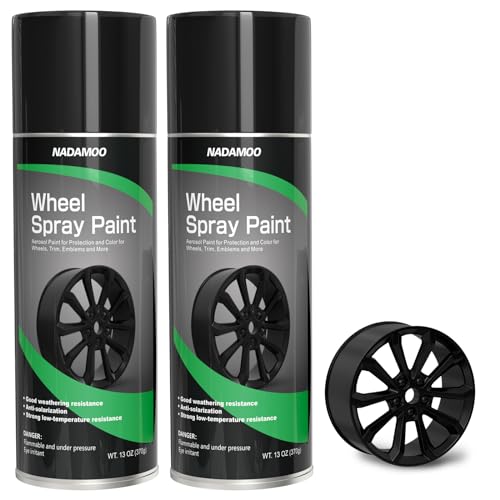
Success starts with organization. You will need high-grit wet/dry sandpaper (400-2000 grit), a dedicated wax and grease remover, high-temperature primer, base coat, and a 2K clear coat. Reviewing Best Aerosol Spray Paint For Automotive Wheels: Top Picks is recommended to ensure your chemical products are chemically compatible.
Understanding Wheel Specifications
Before applying any product, verify your wheel specs. Ensure the aluminum alloy is free of structural cracks. If you are dealing with curb rash, visit Top 5 Must-Have Accessories for How to Repair Curb-Damaged Car Wheel Rims — Easy DIY Guide in 2026 to prepare the metal properly.
Always work in a well-ventilated, temperature-controlled environment; high humidity or cold temperatures can cause paint blushing or poor adhesion.
Core Concepts & Fundamentals

Surface Tension and Paint Adhesion
Aluminum is a non-ferrous metal that oxidizes quickly when exposed to oxygen. Your fundamental goal is to remove this microscopic oxidation layer to allow the primer to chemically bond with the alloy. Without a proper "tooth" provided by sanding, paint will peel prematurely under thermal cycling.
Thermal Management in Alloy Wheels
Wheels experience extreme temperature fluctuations due to brake heat. Understanding the heat rating of your selected coating is vital. For those looking at wider upgrades, cross-reference this with Best Light Alloy Wheels: High-Performance Factory Replacements to ensure your wheels handle heat dissipation as expected.
| Feature | Pro Approach | Common Failure |
|---|---|---|
| Prep | Full stripping/sanding | Spot sanding |
| Primer | Etching Primer | General Purpose Primer |
| Curing | Slow/Air Dry | Forced Heat/Hair Dryer |
Step-by-Step Execution Guide

Phase 1: Preparation and Stripping
Phase 2: Coating Application
Best Practices & Pro Tips

Maintaining the Finish
Once cured, avoid harsh wheel cleaners for at least two weeks. Use pH-neutral car wash soap. If you are into vintage aesthetic, see Best Retro Wheels: Top Picks for Collectors and DIYers for tips on preserving unique finishes.
Professional Refinement
Troubleshooting & Common Pitfalls

Identifying Coating Failures
If the paint begins to bubble immediately after application, you likely have trapped solvent or contamination. If it flakes after a month, the surface prep (sanding) was insufficient.
Remediation Strategies
Frequently Asked Questions
Can I paint wheels without taking the tires off?
A: It is possible to mask them, but removing the tire ensures a perfect seal and prevents paint from getting on the rubber.
How long does the paint last?
A: With 2K clear coat and proper prep, these finishes often last 3-5 years under normal driving conditions.
Is powder coating better?
A: Powder coating is more durable and heat-resistant, but it is much more expensive and difficult to do as a DIY project.
Can I change the color from silver to black?
A: Yes, but you must ensure you have high-coverage primer to block the underlying silver tone.
What happens if I skip the primer?
A: The paint will likely peel within a few months due to the lack of chemical bond to the alloy.
Do I need to sand between coats?
A: Generally, no, unless you notice dust or runs. If so, use 1500-grit paper gently.
Can I use standard spray paint?
A: Standard hobby paint lacks the chemical and heat resistance required for wheels and will fail quickly.
What is the "2K" in 2K clear coat?
A: 2K refers to a two-part system that includes a hardener, providing a much tougher finish than standard 1K spray cans.
Key Takeaways
- 1 Proper surface preparation is 80% of the work.
- 2 Use etching primer for aluminum alloys.
- 3 2K clear coat is non-negotiable for durability.
- 4 Keep your environment at room temperature.
- 5 Always test your nozzle pattern before spraying.
- 6 Allow full cure time before mounting tires.
- 7 Use pH-neutral cleaners for ongoing maintenance.
Conclusion
Learning how to paint your wheels transforms your vehicle's look while providing essential protection against road salt and moisture. While it requires focus and patience, the process is well within the capabilities of any dedicated DIYer.
By following these steps, you ensure that your finish remains vibrant and intact for years. For more advanced maintenance, you can explore Top Rated Diesel Performance Products for Better Engine Efficiency to improve your overall vehicle care.
Take your time with the prep phase, and the final results will rival any professional shop.
📌 Pillar Resource: Read our complete our How to Paint Aluminum Alloy Wheels: Best Kits, Simple Steps, and Pro Tips (2025) resource for in-depth insights.