Mastering the Best Wheel Paint for Aluminum: Top Rim Paints & Touch-Ups to Restore Your Alloy Wheels Sizing & Specs Checklist requires a precise approach to material science and surface preparation.
This guide is designed for automotive enthusiasts and DIY mechanics who possess basic mechanical knowledge but want to achieve a professional-grade finish on their alloy rims. We assume you have access to a workspace, basic cleaning supplies, and the patience required for high-quality paint curing.
By the end of this guide, you will be able to identify the correct paint specifications for your specific alloy type, prepare your wheels for optimal adhesion, and apply a durable, long-lasting finish that resists road debris and heat.
- Identifying aluminum alloy vs. steel substrates.
- Matching paint specs to your specific rim sizing.
- Essential surface preparation techniques for longevity.
- Application strategies to prevent common paint runs.
- Post-application curing and maintenance procedures.
Overview & Prerequisites
Required Materials and Tools
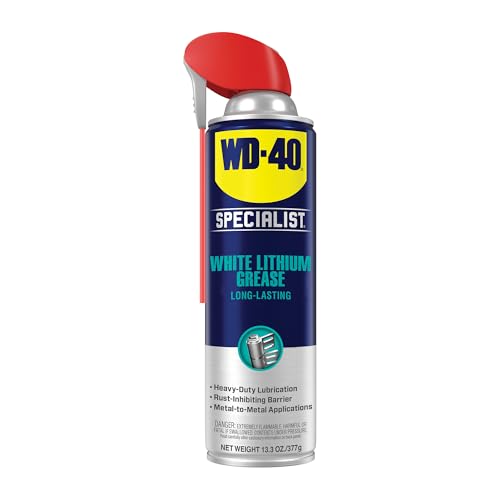
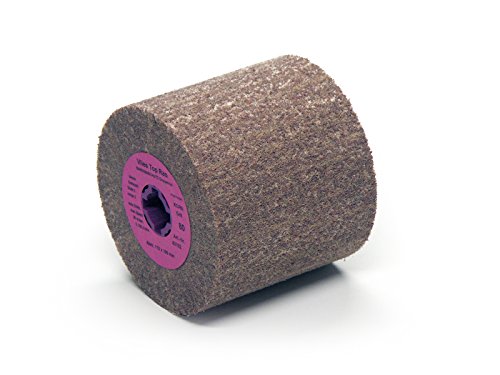
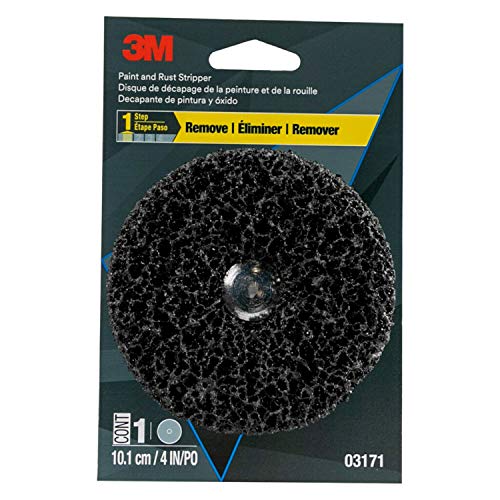
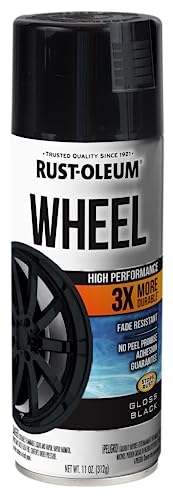
Before beginning your restoration, gather specific grit sandpapers (400 to 2000), a high-quality degreaser, masking tape, and specialized wheel paint. Refer to Best How To Use Wheel Paint For (2026) for a detailed tool checklist.
Understanding Your Rim Material
Not all aluminum wheels are created equal. It is vital to determine if your rims are powder-coated or clear-coated factory finishes. Knowing your performance wheel standards helps you select the chemical-resistant paint necessary for your specific alloy composition.
Core Concepts & Fundamentals

Surface Tension and Adhesion Principles
The primary hurdle in aluminum painting is oxidation. Aluminum reacts with oxygen almost instantly when exposed, which creates a non-stick barrier. Using a dedicated etching primer is the only way to chemically bond the pigment to the alloy surface effectively.
Thermal Expansion and Paint Durability
Wheels undergo rapid thermal cycling. The material engineering behind modern alloy wheels means they expand and contract significantly. Your paint choice must possess enough flexibility to move with the metal without cracking or flaking.
| Feature | Incorrect Approach | Professional Standard |
|---|---|---|
| Prep | Light wipe-down | Sanding & Chemical Degrease |
| Primer | Universal Spray | Etching Aluminum Primer |
| Coating | General Enamel | High-Temp Rim-Specific Coating |
Step-by-Step Execution Guide

Preparation Phase
The longevity of your wheel paint depends entirely on the initial prep. Ensure the surface is free of brake dust and road oils.
Application Phase
Apply thin, consistent coats rather than one heavy application to avoid runs and pooling in the lug nut pockets.
Recommended Equipment & Solution

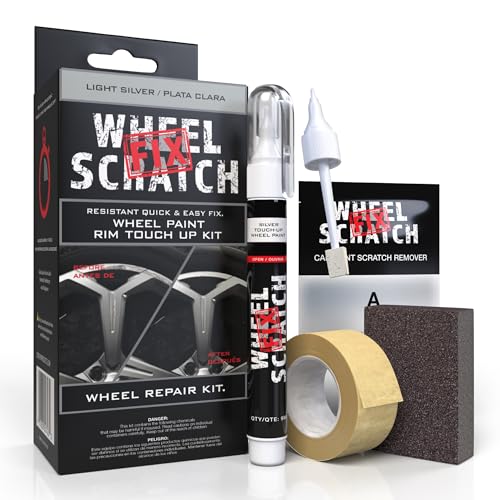
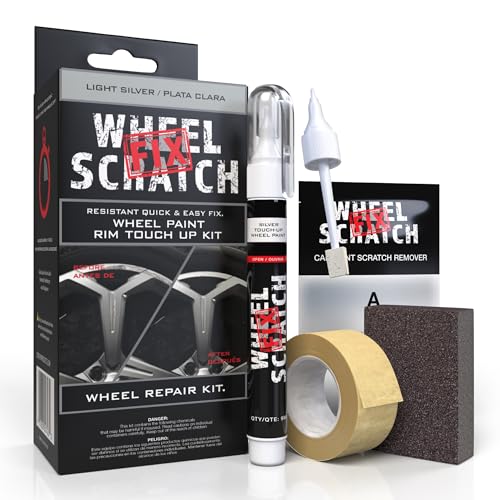
Wheel Scratch Fix® Gloss Black & Matte
A reliable pick for Wheel Scratch Fix® Gloss Black, selected based on this article's guidance.
Best Practices & Pro Tips
Environmental Control
Humidity and temperature are your biggest enemies during the drying process. Aim for temperatures between 65-80°F and low humidity to prevent "blushing" or cloudy finishes.
Layer Management
Allow the final clear coat to fully cure for 48 hours before exposing the wheels to road conditions. This hardening period is critical for resisting rock chips.
Troubleshooting & Common Pitfalls

Solving Paint Defects
If you encounter orange peel or runs, you may have applied the paint too heavily. Learn how to address these, or read more in 7 Common Problems with Best Wheel Paint for Aluminum.
Adhesion Failures
If the paint peels shortly after application, the surface likely wasn't sanded enough or was still contaminated with silicones.
Frequently Asked Questions
Can I paint aluminum wheels without primer?
A: No, paint will not stick to aluminum long-term without an etching primer. The metal requires a chemical bond to prevent oxidation.
How long does wheel paint last?
A: With proper prep and clear coat, professional-grade wheel paint can last 3 to 5 years. Road conditions and climate will impact total longevity.
Is powder coating better than paint?
A: Powder coating is more durable but significantly more expensive and difficult to DIY. Paint offers more color variety and easier touch-up capability.
How do I fix curb rash?
A: Curb rash must be sanded smooth with progressive grits before painting. Filling deep gashes with metal-reinforced filler is often necessary.
Can I use regular spray paint?
A: Regular spray paint lacks the heat and chemical resistance needed for rims. Always use specific wheel-rated paints for safety and durability.
Do I need to remove tires?
A: It is best to remove tires for a perfect finish, but it is possible to mask them off carefully if needed. Deflating the tire slightly helps get behind the rim edge.
How do I prevent orange peel?
A: Spray in light, thin coats and maintain a consistent speed. Avoid high-humidity conditions which interfere with the solvent evaporation.
When can I drive after painting?
A: Wait at least 24 hours before light driving and 7 days for the paint to reach full hardness. Avoid harsh chemicals on the finish during the first month.
Key Takeaways
- 1 Always perform surface preparation; skipping sanding leads to inevitable peeling.
- 2 Use an etching primer specifically formulated for aluminum substrates.
- 3 Apply thin, uniform coats to prevent runs in the rim crevices.
- 4 Humidity and temperature control significantly affect the finish quality.
- 5 Allow full curing time before exposing wheels to harsh road debris.
- 6 Use high-heat rated clear coats to protect against brake dust and heat.
- 7 Keep the paint and primer within the same product line for compatibility.
Conclusion
Restoring your alloy wheels is a rewarding project that significantly improves the aesthetic and value of your vehicle. By following the systematic approach of prep, prime, and paint, you ensure that your finish holds up against the rigors of the road.
Remember that patience is your best tool. Each layer needs its time to cure, and each stage of preparation dictates the life of the final result. If you follow this guide, you will achieve results comparable to professional shops at a fraction of the cost.
Take your time, stay consistent, and your alloy wheels will look like new again.
📌 Pillar Resource: Read our complete our Best Wheel Paint for Aluminum: Top Rim Paints & Touch-Ups to Restore Your Alloy Wheels resource for in-depth insights.