Learning how to setup & use what are alloy wheels: buyer guide for 2026 vehicle upgrades is essential for any enthusiast looking to optimize their vehicle’s performance and aesthetic appeal.
This guide is designed for automotive DIYers and vehicle owners who want to transition from factory steel or standard wheels to high-performance alloy alternatives. We assume a basic familiarity with vehicle maintenance tools, such as a jack and torque wrench.
By the end of this guide, you will be able to identify the correct wheel specifications for your vehicle, understand material compositions, and successfully install your new alloy upgrades while maintaining structural integrity.
- Understanding the metallurgy of aluminum vs. magnesium alloys.
- Determining the correct bolt pattern and offset for 2026 vehicle models.
- Essential tools required for safe installation and balancing.
- Maintenance protocols for long-term finish protection.
- Troubleshooting common wheel performance issues.
Overview & Prerequisites
Determining Compatibility and Fitment
Before purchasing, you must verify that the alloy wheels align with your vehicle's specific hub diameter, bolt pattern, and offset. Using the wrong specifications can cause mechanical failure or unsafe handling. Always refer to your vehicle's owner manual or a professional fitment database.
Tools Required for the Upgrade
To begin, ensure you have a high-quality torque wrench, a calibrated tire pressure gauge, a hydraulic floor jack, and jack stands. Before starting your journey, if you have existing wheels that need attention, consider reviewing Is it possible to restore silver rims? A DIY Guide to Bringing Back the Shine to understand restoration limits.
Always verify the load rating of your new alloy wheels; ensure they meet or exceed your vehicle's Gross Axle Weight Rating (GAWR) to prevent structural fatigue.
Core Concepts & Fundamentals
Understanding Alloy Composition
Alloy wheels are typically manufactured from a mixture of aluminum and other metals like magnesium or nickel. This creates a stronger, lighter structure compared to traditional steel wheels, which directly translates to better heat dissipation and improved steering responsiveness.
Impact of Offset and Backspacing
Offset is the distance from the mounting surface to the centerline of the wheel. Understanding this is vital because an incorrect offset can result in the wheel rubbing against the suspension or brake components. Proper alignment is key to removing oxidation and haze from gloss black alloy wheels, maintaining both look and function.
| Feature | Correct Application | Incorrect Application |
|---|---|---|
| Material | Aluminum-magnesium blend | Low-grade casting prone to cracks |
| Fitment | Manufacturer-verified offset | Visual aesthetic-only selection |
| Maintenance | pH-neutral cleaners | Acidic, harsh household chemicals |
Step-by-Step Execution Guide
Preparation and Safety Phase
Before lifting the vehicle, ensure it is on level ground and the parking brake is fully engaged. Loosen the lug nuts slightly while the wheels are still on the ground to prevent the wheels from spinning during the removal process.
Installation and Torque Procedure
When installing, always tighten lug nuts in a star pattern. This ensures even pressure distribution. If you encounter grime or old residue during this process, read Remove grease and asphalt from aluminum wheels: The Ultimate Pro Guide to ensure the mounting surface is pristine.
Best Practices & Pro Tips
Routine Maintenance
Alloy wheels require consistent care to prevent corrosion. Regular cleaning with gentle soap is superior to infrequent, aggressive chemical treatments.
Professional Storage and Seasonal Swaps
If you swap between winter and summer wheels, store them off the ground in a cool, dry area. This prevents moisture accumulation and potential structural stress.
Troubleshooting & Common Pitfalls
Addressing Surface Issues
If you notice a white, dusty layer, it is likely oxidation. Address this early to prevent pitting. For severe cases, consider guidance on white powdery layer on alloy wheels, what is it and how to fix it fast.
Handling Vibrations
If you feel vibrations after installation, the wheels are likely unbalanced or the center bore is not perfectly matched. Use hub-centric rings if necessary to close the gap between the hub and wheel.
Frequently Asked Questions
How often should I torque my alloy wheels?
A: You should check torque after the initial install, again after 50 miles, and then during every seasonal rotation.
Can alloy wheels be repaired?
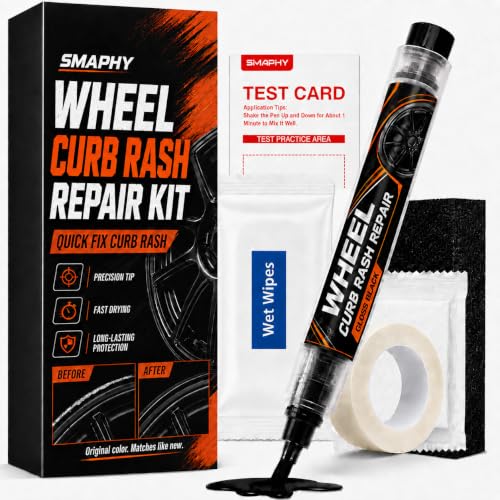
A: Yes, minor curb rash or small bends can be repaired by professionals. Check out Best Alloy Wheel Repair Kit: Fix Curb Rash at Home (2026) vs Alternatives for more.
Do alloy wheels improve fuel economy?
A: Because they are lighter than steel, they reduce unsprung weight, which can theoretically improve efficiency.
Are alloy wheels more fragile?
A: They are prone to bending from deep potholes more easily than steel, requiring careful driving on poor roads.
What is a hub-centric ring?
A: It is a spacer used to fill the gap between the wheel's center bore and the vehicle's wheel hub.
Is it safe to wash alloy wheels while they are hot?
A: No, you should allow them to cool down to avoid temperature shock to the clear coat.
What cleaners should I avoid?
A: Avoid using harsh acid-based cleaners which can strip the protective finish off your rims.
Are alloy wheels compatible with all tires?
A: Most are, but ensure the wheel width matches the tire manufacturer's recommended range for safety.
Key Takeaways
- 1 Always verify bolt patterns and offsets before purchasing new sets.
- 2 Use a torque wrench for every installation to prevent warping.
- 3 Regular cleaning prevents oxidation and permanent finish damage.
- 4 Hub-centric rings are often necessary for perfect fitment.
- 5 Avoid acidic wheel cleaners that ruin protective clear coats.
- 6 Inspect for cracks or bends after significant road impacts.
- 7 Store seasonal wheels in climate-controlled, dry environments.
Conclusion
Upgrading to alloy wheels is one of the most effective ways to refresh your vehicle’s performance and aesthetics. By following the steps outlined in this buyer guide, you can ensure a professional-grade installation that keeps your car running smoothly and looking sharp.
Remember that maintenance is just as important as selection. Consistent care will extend the life of your investment and keep your rims looking showroom-ready for years to come.
With the right tools and attention to detail, your alloy wheel upgrade will provide lasting satisfaction.
📌 Pillar Resource: Read our complete main What Are Alloy Wheels: Buyer Guide for 2026 Vehicle Upgrades guide for in-depth insights.